-
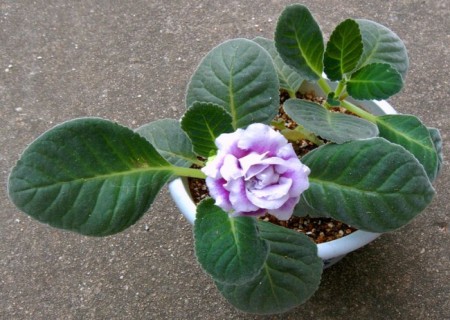
Summary of common Gloxinia care problems, all answered clearly in one go
The Gloxinia growing methods and precautions in this article are all practical stuff. It gathers questions posted by some flower lovers about Gloxinia, then, based on experience and the answers from flower lovers, it is reworked a second time. It is very helpful for flower lovers to understand Gloxinia, and flower lovers can use this article to gain a more comprehensive understanding of Gloxinia.
-
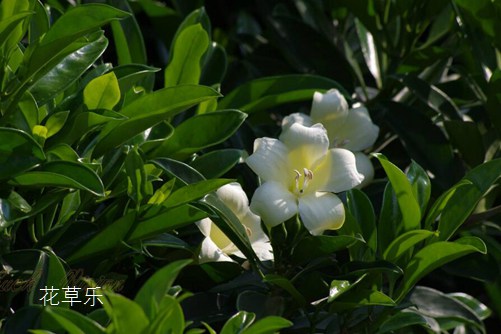
What to Do When African Jasmine Has Pest Problems? All the Control Methods Are Here
African jasmine is a plant suited to indoor placement, easily adapts to any environment, and is fairly easy to grow. Moreover, African jasmine generally does not often suffer from pests and diseases, but occasionally some do occur. So what pests and diseases might occur, and how should they be handled when they do? What should be done when African jasmine has pest problems
-
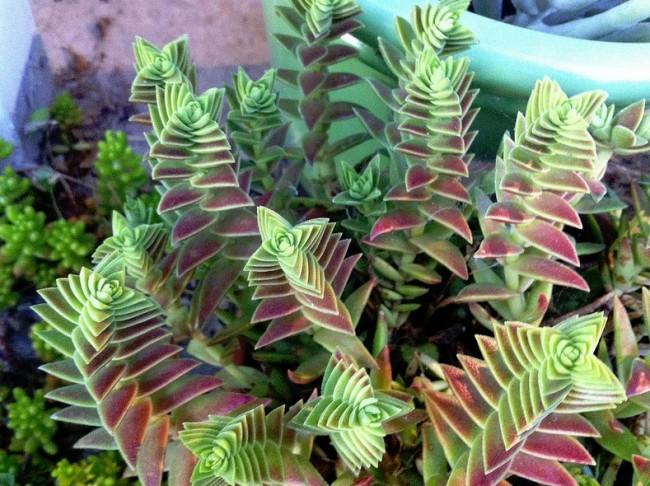
Common problems in osmanthus planting and care, and their solutions
The reason Four Seasons Osmanthus (Osmanthus fragrans 'Semperflorens') blooms year-round but is not fragrant is that the variety itself has a relatively faint scent. Among the common varieties of osmanthus, the most strongly scented is Jingu (Golden Osmanthus), followed by Yingui (Silver Osmanthus), then Dangui (Red Osmanthus), while Four Seasons Osmanthus has the faintest scent of all. It is rarely cultivated as an economic crop precisely because its flowering is sparse and its scent is not strong
-
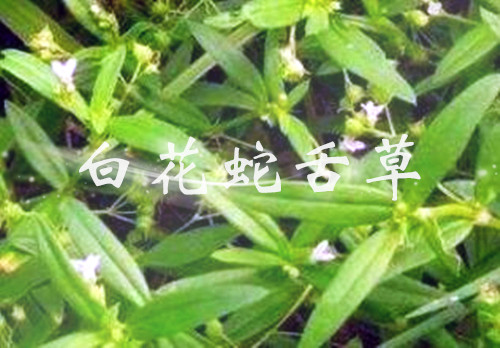
What exactly are the medicinal effects of Oldenlandia diffusa (white flower snake-tongue grass), and can it really treat stomach problems?
Friends who grew up in the countryside have probably all picked Oldenlandia diffusa along the edges of paddy fields. Every summer vacation, many children would go pick it to sell for money. So what exactly are the medicinal effects of Oldenlandia diffusa? Can it really treat stomach problems? What are its specific medicinal effects?
-
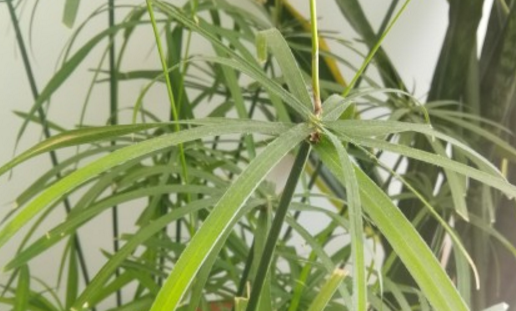
Hydroponic Methods for Umbrella Papyrus (Cyperus alternifolius) in the Sedge Family, with Answers to Sun Exposure and Root Rot Problems
Umbrella papyrus, also known as umbrella plant, water bamboo, water palm, and windmill grass, so what is the hydroponic method for umbrella papyrus? Can it be exposed to the sun? What to do about root rot? According to the information available, umbrella papyrus likes a warm and slightly humid environment, needs ventilation and sunlight, and a shaded environment is best; just do not expose it to the scorching sun.
-
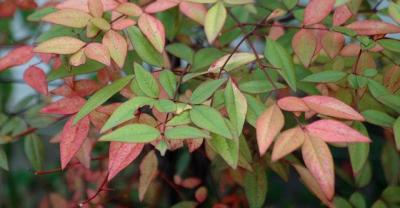
Problems in citrus cultivation that you are sure to run into!
Today we are putting together the questions shared at the training session: we have posted the questions on the Youguo Master app, which has lots of questions and is especially suitable for citrus growers to go and look at, ...
-

What are dental implants most afraid of? Lesion problems cannot be ignored
"My mother has basically lost all her teeth, and I want to take her to get implants, but I heard that implants can cause complications. Is that true?" What exactly is a dental implant? Is it safe...
-
Analysis of Common Problems in Citrus Cultivation and Solutions
In 2016, China's citrus planting area reached as high as 2.5567 million hm, with a total output of 36.168 million t, with relatively rapid growth in western production areas such as Guangxi, Chongqing, Sichuan, and Yunnan...
-

What are the common problems in forage grass cultivation?
Hebei, I have three mu of land. Which kind of forage grass is suitable to plant? Can it feed 30 goats? The 30 sheep also don't need corn stalks, peanut vines, sweet potato vines, soybean stalks, and the like...
-
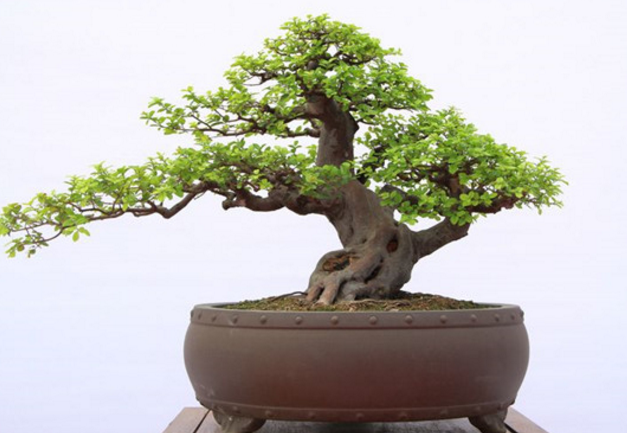
Chinese Sweet Plum Bonsai: How to Make It and How to Solve Common Pest Problems
Chinese sweet plum (Sageretia thea) bonsai has a unique form; it is one of China's "Seven Sages" of bonsai and one of the five famous trees of Lingnan bonsai in China. Other names for Chinese sweet plum include "broken rice seed," "thorny wintergreen," and "opposite thorn." What are the methods for making Chinese sweet plum bonsai? The time for making Chinese sweet plum bonsai is in March each year and during the plum rain season.
条件筛选