What to Do When African Jasmine Has Pest Problems? All the Control Methods Are Here
African jasmine is a plant suited to indoor placement, easily adapts to any environment, and is fairly easy to grow. Moreover, African jasmine generally does not often suffer from pests and diseases, but occasionally some do occur. So what pests and diseases might occur, and how should they be handled when they do?
What should be done when African jasmine has pest problems? Take a look at these and you will know
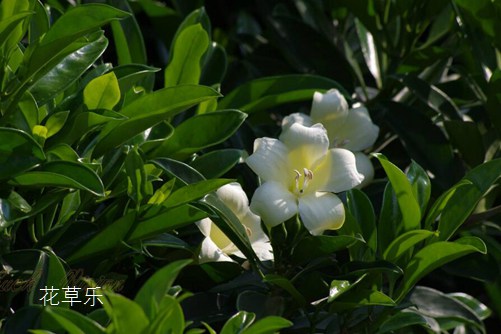
I. Common pests and diseases of African jasmine:
One: Anthracnose
Anthracnose mostly occurs on young branches and leaves. Diseased leaves develop nearly round to irregular sunken spots, and there will also be many small black granules. We can simply understand these small granules as the pathogen's tools for reproducing the next generation.
In fact, control is very simple. In the early stage of the disease in African jasmine, spray 50% carbendazim wettable powder 800-fold solution plus 25% chlorothalonil wettable powder 800-fold solution, spraying alternately once every 10 days, and spraying continuously 3 to 4 times is enough.
Two: Sunscald
Sunscald often occurs in summer, because improper shading at noon in summer means tender tips and young leaves are easily scorched by prolonged light exposure, showing as mostly grayish-white or pale white scorch spots on the leaves. The spots gradually worsen, thereby causing leaf drop and the whole plant to wither.
When it comes to prevention and control, be sure to pay attention to shading, and when the summer sun is strong, pay attention to changing the position. When the weather is hot or dry, appropriately increase the frequency and amount of watering, and when necessary, sprinkle more water on the leaf surface. For plants that have already been scorched, promptly place them under a shade shed, cut off the scorched leaves, and strengthen water and fertilizer management so the plant can recover its health as soon as possible.
Three: Pests
African jasmine has relatively few pests, but they do occasionally occur. For example, Atractomorpha sinensis, when the pest occurs, will cause many holes or notches to appear on the plant's leaves. Promptly spray 90% trichlorfon crystal 800-fold solution to eliminate them.
II. What to do when African jasmine has insects?
1. Atractomorpha sinensis
Its peak damage period is in autumn. The adult body length is 21-25 mm, and the body color is green or brown. It feeds on the leaves of African jasmine. In the prevention and control of African jasmine pests and diseases, it is one of the most harmful pests, causing holes and notches in the leaves and greatly affecting their appearance.
Control methods: (1) In autumn and winter, promptly remove dead leaves and weeds; (2) spray a 90% trichlorfon crystal 800-fold solution to promptly kill Atractomorpha sinensis; (3) strengthen follow-up care.
2. Slug
Silver-white stripes will appear on the leaves of African jasmine, and in summer white eggs will also appear at the base. Slugs usually come out at night to suck on tender leaves, and the source of the pests will hide in the soil or at the base.
Control methods: (1) Disinfect the potting soil before potting, and it can be placed in the sun to bake; (2) Move the African jasmine into the sun; direct sunlight for more than 3 hours is enough to kill the slugs.
Conclusion
The above are the solutions for dealing with pests and diseases in African jasmine. In fact, plant pests are not that scary; once you master the methods, you can easily handle them. Have you learned what was said above?