-
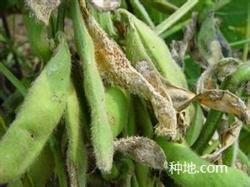
What is soybean sclerotinia and how to prevent and control it
What is soybean sclerotinia and how to prevent and control it? Help! Soybean sclerotinia mostly occurs from July until before maturity. The symptoms are that moist green lesions first appear at the base of the stem, then quickly expand, after which cottony mycelium grows on the lesions, the epidermis splits into a hemp-like texture, and black mouse-dropping-shaped "sclerotia" form inside and on the surface of the stem...
-
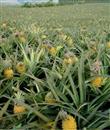
What are the common pests and diseases of pineapple? A detailed guide to prevention and control methods
What pests and diseases of pineapple need to be prevented? Please introduce the following pests and diseases that need to be controlled during pineapple cultivation: wilt disease. After the plant is affected, the leaves become soft and droop, the leaf color changes from pale green to red, the base rots, and finally the whole plant dies. This disease is caused by damage from mealybugs. Prevention and control methods: first, strictly take care not to use diseased seedlings for propagation.
-
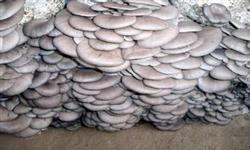
How to prevent deformed mushrooms in winter oyster mushroom cultivation
The cultivation area of oyster mushrooms continues to expand, cultivation techniques are constantly being renovated and improved, and severe weather also disrupts oyster mushroom cultivation from time to time. Severe weather in winter and spring mainly includes: snowy weather (including blizzards and blizzard conditions), cold wave weather, windy cooling weather (including blowing sand and floating dust weather), continuous...
-
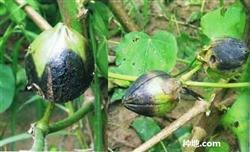
What to Do About Cotton Boll Rot? A Detailed Guide to Prevention and Control Methods
What to Do About Cotton Boll Rot? What Methods Can Prevent and Control It? In mid to late August, when cotton enters the boll-opening stage, boll rot and rotten bolls often occur. In ordinary fields, the rate of rotten bolls and rotten bolls reaches 10%-15%, and in severely affected fields it reaches over 30%, often causing reduced cotton yield and lower quality. For this reason, there are the following five measures to prevent and control cotton boll rot and rotten bolls:...
-
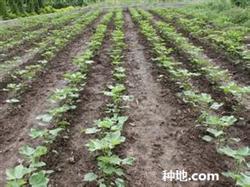
How to prevent and control cotton pests and diseases? A practical guide for growers
How should cotton be planted to prevent and control pests and diseases? When should it start? Strict seed disinfection; strongly advocate buying and selecting high-quality coated seeds that have undergone foam acid delinting, fine selection, and coating with highly effective fungicides and insecticides; for any cotton field where coated seeds are not used, the cotton seeds used must also be treated with highly effective fungicides...
-
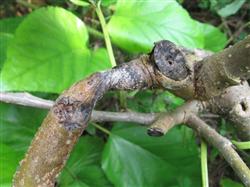
How to prevent and control mulberry shoot-blight disease? Simply remove the mulberry flowers and fruits
Mulberry shoot-blight disease, also known as branch-blight disease or white mulberry fruit disease. Shoot-blight is a mulberry disease that has become widespread in recent years. It is caused by the pathogen Sclerotinia minor, which infects new shoots through the fruit stalk, causing the base of the new shoot to rot and break off. Its characteristic is that mulberry trees bearing female flowers, or both male and female flowers on the same tree, are prone to this disease, with a shoot-blight rate of...
-
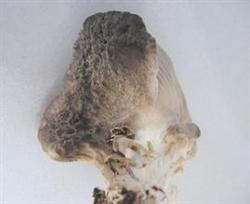
How to prevent and control green mold in oyster mushrooms? A detailed guide to integrated control techniques
1. The tall-stemmed mushroom has a small cap and poor differentiation, with a relatively long stem. The cause is that during the primordium formation and differentiation stage, the mushroom house is short of oxygen and light, while the temperature is on the high side, which affects the normal differentiation and development of the cap. Control method: increase ventilation and adjust light and temperature. 2. The tumor-capped mushroom's cap appearance is mainly at the edge...
-
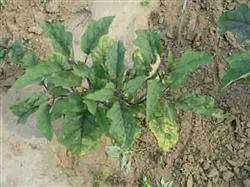
How to prevent and control verticillium wilt in chrysanthemums? A detailed guide to practical methods
I. Symptoms of damage: Verticillium wilt of chrysanthemum occurs commonly; infected plants have yellow, weak leaves, and the yellowing is initially limited to a few lower leaves, then gradually increases, and old leaves turn brown and die. Flowers are small or fail to bloom. II. Morphological characteristics of the pathogen: The pathogen is Verticillium dahliae Kleb., a fungus of the class Deuteromycetes. Mycelium...
-
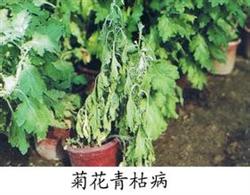
What to Do When Chrysanthemums Get Bacterial Wilt? Introduction to Prevention and Control Methods
1. Damage Symptoms: When the whole plant is infected, the above-ground leaves wilt; after lasting 3-5 days, the lower leaves turn yellow, the stem nodes near the ground appear brown, the fleshy part of the tuberous roots rots, and the epidermis and fleshy roots also turn brown, later becoming lead-white. When the diseased stem is cut crosswise, the vascular bundles turn brown, and when squeezed by hand or kept under moisture, a dirty-white bacterial ooze exudes; the diseased tuberous roots can also discharge bacterial ooze from cracks.
-
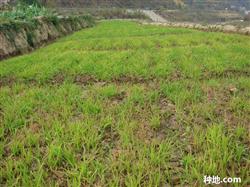
How to prevent and control damping-off disease when raising rice seedlings
How to prevent and control damping-off disease when raising rice seedlings? Asking for guidance. Although dry-raised rice seedling beds are not prone to seedling rot, they are most susceptible to damping-off disease causing seedling death, with 20%-30% loss in mild cases and over 50% in severe cases. The following measures can effectively prevent and control damping-off disease. 1. Acid adjustment treatment of soil: For neutral and alkaline soil, before sowing...
条件筛选