What to Do About Cotton Boll Rot? A Detailed Guide to Prevention and Control Methods
What to Do About Cotton Boll Rot? What Methods Can Prevent and Control It? In mid to late August, when cotton enters the boll-opening stage, boll rot and rotten bolls often occur. In ordinary fields, the rate of rotten bolls and rotten bolls reaches 10%-15%, and in severely affected fields it reaches over 30%, often causing reduced cotton yield and lower quality. For this reason, there are the following five measures to prevent and control cotton boll rot and rotten bolls:...
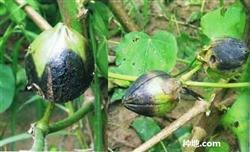
What to Do About Cotton Boll Rot? What Methods Can Prevent and Control It
In mid to late August, when cotton enters the boll-opening stage, boll rot and rotten bolls often occur. In ordinary fields, the rate of rotten bolls and rotten bolls reaches 10%-15%, and in severely affected fields it reaches over 30%, often causing reduced cotton yield and lower quality. For this reason, there are the following five measures to prevent and control cotton boll rot and rotten bolls:
Pest control to prevent rot: This mainly means controlling the cotton bollworm and the pink bollworm. First, plant hybrid insect-resistant cotton varieties; second, during the occurrence period of the cotton bollworm and pink bollworm, promptly pay attention to pest and disease information and carry out control, so as to reduce pest damage losses to a minimum.
Moisture reduction to prevent rot: If the four ditches of the cotton field are not unobstructed, field humidity is high, leading to more rotten bolls. Therefore, the four ditches must be cleared in time so that all ditches connect with one another and standing water is drained away.
Ventilation and light penetration to prevent rot: First, strictly control the amount of nitrogen fertilizer. Too much nitrogen fertilizer easily causes excessive vegetative growth of cotton plants, while too little cannot effectively promote steady cotton plant growth and improve ventilation and light penetration conditions. Second, do a good job of chemical regulation, which helps ventilation and light penetration. In addition, timely and appropriately removing empty branches, old leaves, etc. can directly improve ventilation and light penetration conditions in the middle and lower parts of the cotton plant and reduce rotten bolls and rotten bolls in the middle and lower parts.
Disease treatment to prevent rot: During the flowering and boll stage, spraying with a 600-fold carbendazim solution can effectively prevent and control boll diseases, directly kill pathogens, and reduce mildew and shedding.
Prompt picking to prevent rot: For bolls that have already developed or are about to develop rot, promptly pick them early so as to carry pathogen-bearing cotton bolls out of the field and reduce sources of inoculum. At the same time, promptly open, sun-dry, and separately harvest rotten bolls, which can reduce yield losses from rotten bolls and allow more in-grade cotton to be harvested.
Click to get a massive amount of cotton cultivation technology
Click to get a massive amount of grain and oil crop cultivation technology