How to prevent and control cotton pests and diseases? A practical guide for growers
How should cotton be planted to prevent and control pests and diseases? When should it start? Strict seed disinfection; strongly advocate buying and selecting high-quality coated seeds that have undergone foam acid delinting, fine selection, and coating with highly effective fungicides and insecticides; for any cotton field where coated seeds are not used, the cotton seeds used must also be treated with highly effective fungicides...
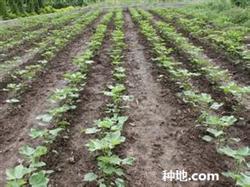
How should cotton be planted to prevent and control pests and diseases? When should it start?
Strict seed disinfection. Strongly advocate buying and selecting high-quality coated seeds that have undergone foam acid delinting, fine selection, and coating with highly effective fungicides and insecticides; for any cotton field where coated seeds are not used, the cotton seeds used must also be treated with highly effective fungicides for seed dressing and closed seed treatment or seed soaking.
Sow at the right time. For general cotton fields, sowing is best when the 4 cm soil temperature stabilizes at 14°C. For alkaline cotton fields, sowing is best when the 5 cm soil temperature stabilizes at 15-16°C.
Strengthen field management during the cotton seedling stage. For plastic-film cotton, seal the seedling release holes in a timely manner. In cotton fields with dry weather and poor soil moisture, seal the seedling release holes promptly as seedlings are released to help preserve moisture; when soil moisture under the film is high and cloudy or rainy weather occurs, appropriately delay sealing the seedling release holes, and seal them again after the soil under the film becomes loose and the soil temperature is suitable, to help dissipate moisture and reduce disease; for open-field cotton, loosen the soil in a timely manner to keep it warm, preserve moisture in drought, dissipate moisture in waterlogging, and loosen the soil near the seedlings; carry out timely final thinning, thin the seedlings after full emergence, and do final thinning once when 1-2 true leaves have grown, to benefit the individual development of cotton seedlings and enhance disease resistance.
Chemical control and nutritional strengthening of seedlings. After final thinning, spray cotton seedlings with a mixture of fungicide and highly effective foliar fertilizer. When cotton seedling disease first appears, spray "Kejun" or carbendazim or thiophanate-methyl, plus 0.2% potassium dihydrogen phosphate, or Duode rare earth pure nutrient. At the peak of disease incidence, spray 2500-fold edifenphos plus 3500-fold Tianfengsu. For plots with severe cotton seedling disease, 1000-fold "Junjue" can be used alone to spray-irrigate cotton seedlings. During the cotton seedling stage, generally apply control once every 7-10 days, for 2-3 consecutive applications, which can reduce damage, reduce losses, and basically ensure normal growth of cotton seedlings.
Click to get a massive amount of cotton planting technology
Click to get a massive amount of grain and oil crop planting technology