-
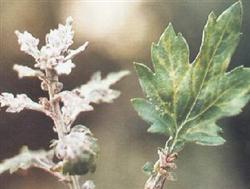
How to prevent and control powdery mildew in chrysanthemums
From late August to October, powdery mildew is common on chrysanthemums. It can cause poor plant growth, dead leaves, and even failure to bloom, so timely prevention and control are needed. In cultivation, take care to prune overly dense and withered yellow branches and leaves, pull out diseased plants, clear away diseased leaves and fallen leaves, and burn them in a centralized way or bury them deeply. Planting should not be too dense; control soil moisture and increase...
-
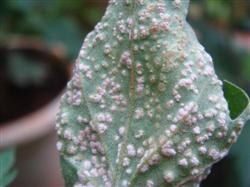
How to prevent and control chrysanthemum white rust? A detailed guide to practical control techniques
Chrysanthemums are loved for their elegant, bright colors and rich fragrance. Growing flowers can cultivate people's character, enrich cultural life, and improve physical and mental health. At the same time, some varieties of chrysanthemums grown can also be eaten or used as medicine, achieving two benefits at once. However, in the process of cultivating and propagating chrysanthemums, they often suffer from a variety of diseases...
-
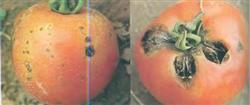
What are the methods for preventing and controlling pests and diseases in tomato seeds
How to prevent and control pests and diseases in tomato seeds? Please explain. The general disease symptoms of tomato seeds are as follows: (1) Tomato fruit blistering disease, a physiological disease, also called rib rot or strip rot or band rot, mainly harms the fruit. Below is an introduction for everyone. There are commonly two types. One is the browning type: cut open the diseased fruit, ...
-
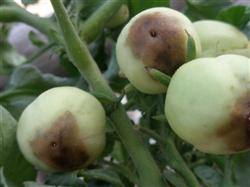
What methods can prevent and control autumn tomato fruit rot
What methods can prevent autumn tomato fruit rot? Please advise on fruit rot caused by cottony leak. First, smooth light brown spots appear on the top or shoulder of the fruit, sometimes with a small amount of white mold, then gradually form concentric ring patterns, gradually turning dark brown, and the flesh under the skin also turns brown; in the later stage the entire fruit rots and drops off. Prevention and control...
-
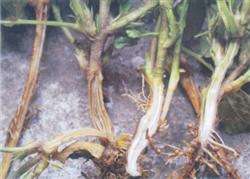
How to prevent and control peanut bacterial wilt? These methods you need to master
How to prevent and control peanut bacterial wilt? (1) Crop rotation: rotating between flooded and dry land for 1-2 years shows obvious results. On dry land, rotate with cereal crops; for lightly infected land 1-3 years, for heavily infected land 4-5 years. (2) Select disease-resistant varieties: currently promoted resistant varieties include Xiekangqing, Ehua No. 5, Zhonghua No. 2, You 92, Guiyou 28...
-
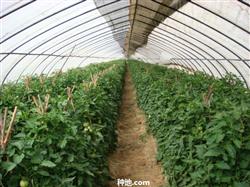
What to Do About Spindly Greenhouse Tomatoes? Detailed Prevention and Control Methods
What to do about spindly greenhouse tomatoes? Please advise. The main causes of spindly or stunted seedlings in greenhouse tomato cultivation are insufficient light, excessively high temperatures and excessive moisture. Once seedlings become spindly or stunted, the harm is considerable. Spindly seedlings differentiate flower buds late, drop many flowers, have a low survival rate, and suffer major yield reductions, while early maturity cannot be achieved...
-
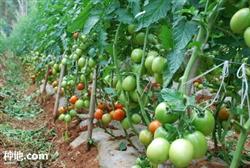
How to prevent and control green-shoulder in tomatoes? These methods you need to know
What methods can prevent green-shoulder in tomatoes? Please advise. The green-shoulder fruit of tomato is a type of rib rot. There are many causes of green-shoulder fruit in tomatoes, the most important of which is unbalanced fertilization, caused by high nitrogen and low potassium. Excessive application of nitrogen fertilizer with relatively insufficient potassium is the main cause of green-shoulder fruit in tomatoes....
-
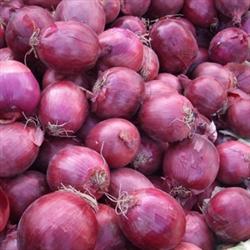
How to effectively prevent twin bulbs in onions
How to prevent onion "twins"? Please advise. To improve the market quality of onions, early prevention of "twins" is key. Onions have a high incidence of "twins", which seriously affects their market value, so prevention should be carried out as early as possible. The causes of twins are: sowing too early, with seedlings growing too large before winter; applying too much nitrogen fertilizer during the seedling stage...
-
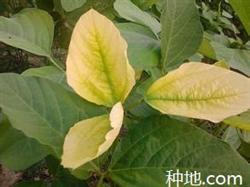
What Causes Soybean Yellowing? A Detailed Guide to Prevention and Control
What is soybean yellowing and how should it be prevented and controlled? The main causes of soybean yellowing are as follows: First, soybean cyst nematode disease. This disease occurs mainly in plots where soybeans have been grown continuously for many years and in areas with a low groundwater table. After infection at the seedling stage, the leaves turn yellowish-brown and growth is stunted; in severe cases, the entire plant withers and dies. After infection at the adult plant stage,...
-
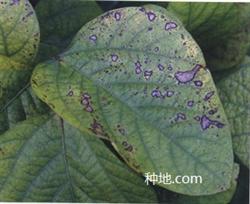
What is soybean frogeye leaf spot? A detailed guide to prevention and control methods
What is soybean frogeye leaf spot and how do you prevent and control it? Looking for guidance. Soybean frogeye leaf spot: (1) Damage and symptoms. Soybean frogeye leaf spot, also known as brown spot, leaf spot or frog-eye disease, is a worldwide disease and an important disease in China's main soybean-producing regions, especially severe in the three northeastern provinces. The pathogen is in eastern Heilongjiang...
条件筛选