-
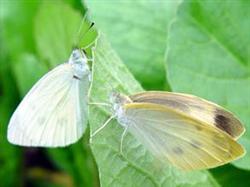
How to prevent early-crop Chinese cabbage from failing to form heads?
1. Biological control (1) Take care to protect natural enemies such as parasitic wasps, and apply Bacillus thuringiensis var. aizawai (each gram of powder contains 10 billion spores) at 500-700 times dilution, or Qingchongjun No. 6, B.t. emulsion, etc. Apply granulosis virus preparations or collect from the cabbage field late-instar larvae that died from viral infection (infected larvae have reduced appetite and turn black in body color...
-
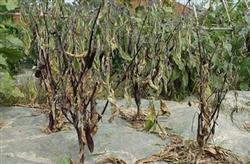
How to prevent and treat eggplant wilt? A detailed guide to targeted treatment
The main causes of eggplant wilt include Phytophthora blight, Sclerotinia rot, stem base rot, bacterial wilt, Verticillium wilt, root-knot nematode disease, fertilizer burn, and so on. The specific diagnosis is as follows: 1. Look at the field distribution. After fertilizer burn occurs, the plants generally wilt at noon on sunny days and recover in the evening, and in severe cases the plants may die. The other diseases above...
-
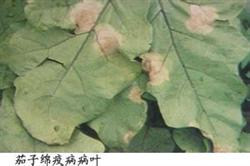
How to prevent and control cucumber blight and eggplant Phytophthora fruit rot
Disease symptoms: Cucumber blight can occur at the seedling stage and the adult plant stage. At the adult plant stage, it mainly affects the base of the stem, the tender stem nodes, leaves, and fruit. It first causes dark green water-soaked spots at the stem base and stem nodes, which then become soft, with obvious constriction and thinning of the stem nodes. The leaves above the diseased area wilt, or the entire plant dies. When leaves are infected, they produce...
-
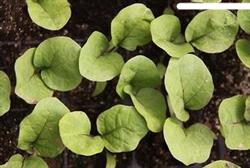
What to Do About Flower and Fruit Drop in Greenhouse Eggplants? Detailed Prevention and Control Measures
For peppers and eggplants, adopting greenhouse cold-bed seedling raising and transplanting technology is the main measure to increase early-stage yield and achieve early fruiting, early marketing, and high returns. 1. Greenhouse construction: choose a site that is sheltered from wind and faces the sun, with flat terrain, fertile soil, convenient drainage and irrigation, a low groundwater table, close to a water source, and where solanaceous vegetables have not been grown for many years...
-
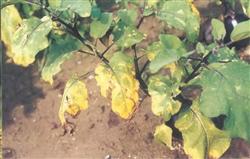
How to prevent and control Verticillium wilt in eggplant without grafting? Detailed practical measures
Verticillium wilt is a common disease of eggplant, and grafting is an effective measure to control it, but some vegetable growers have already planted eggplant seedlings that were not grafted, so how should Verticillium wilt be prevented and controlled? The symptoms of the disease and control measures without grafting are introduced here. 1. Disease symptoms. The disease mainly damages leaves, and in each...
-
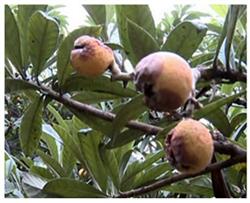
How to fertilize loquat to prevent fruit cracking and increase sweetness?
The fruit-swelling and ripening period of loquat coincides with the rainy spring season, making fruit cracking more likely, reducing sugar accumulation, lowering the sugar content of the fruit, making the fruit taste bland and the quality poor. If organic fertilizer, phosphorus and potassium fertilizer and calcium fertilizer are applied additionally during this period, fruit cracking can be effectively prevented, and sugar synthesis and accumulation can be promoted, raising the sugar content of the fruit...
-
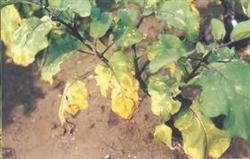
What to Do About Yellow Leaves on Eggplant? A Detailed Guide to Prevention and Control
There are mainly two causes of yellow leaves on eggplant: first, fertilizer damage. This kind of damage often occurs on cloudy days or after the weather turns sunny. It is mainly caused by using large amounts of undecomposed farmyard manure as a base fertilizer or improper application as a topdressing fertilizer, which leads to excessive accumulation of ammonia gas; combined with the lack of timely ventilation in the greenhouse, this ultimately triggers ammonia toxicity...
-
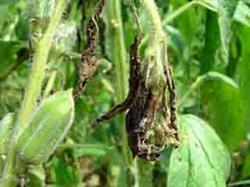
How should bacterial wilt in sesame be prevented and controlled?
I. Symptom expression Sesame bacterial wilt occurs relatively early. In the early stage of the disease, the roots turn brown, and the top of the plant wilts and droops. Afterward, dark green patches appear on the stem and gradually deepen and turn black. The leaves wilt and droop progressively from top to bottom. Diseased plants are shorter than healthy plants. The vascular bundles of the roots and stems turn brown, and finally the pith becomes hollow. Bacterial fluid oozes out both inside and outside the stem. The leaf vascular bundles are also affected, with dark green streaks on the veins. After the capsules are infected, water-soaked lesions appear and gradually develop into dark brown streaks of uneven thickness.
-
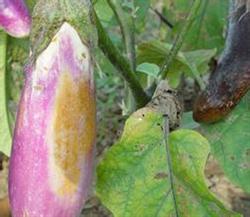
How to prevent and control eggplant Phytophthora fruit rot? These methods must be mastered
Eggplant Phytophthora fruit rot, commonly known as fruit rot and watery rot, is one of the important diseases of eggplant and occurs commonly in all regions. Eggplant can be affected at all growth stages. Losses are generally 20-30%, and more than 50% in severe cases. The peak fruiting period is also the peak disease period, and in rainy regions and years it often breaks out into disaster, causing devastating losses. 1. Disease identification...
-
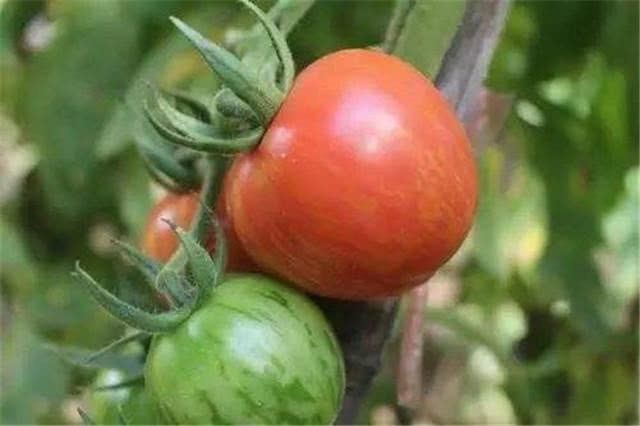
How to prevent and treat tomato blotchy ripening? These 3 tricks keep tomatoes from blotching
Tomato blotchy ripening affects the quality and yield of tomatoes, but many farmer friends are not quite clear on how to prevent it and how to grow tomatoes. Blotchy ripening is generally caused by insufficient water and nutrients, unreasonable temperature, light and humidity, and on the fruit...
条件筛选