How to prevent and treat eggplant wilt? A detailed guide to targeted treatment
The main causes of eggplant wilt include Phytophthora blight, Sclerotinia rot, stem base rot, bacterial wilt, Verticillium wilt, root-knot nematode disease, fertilizer burn, and so on. The specific diagnosis is as follows: 1. Look at the field distribution. After fertilizer burn occurs, the plants generally wilt at noon on sunny days and recover in the evening, and in severe cases the plants may die. The other diseases above...
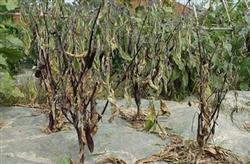
The main causes of eggplant wilt include Phytophthora blight, Sclerotinia rot, stem base rot, bacterial wilt, Verticillium wilt, root-knot nematode disease, fertilizer burn, and so on. The specific diagnosis is as follows:
1. Look at the field distribution. After fertilizer burn occurs, the plants generally wilt at noon on sunny days and recover in the evening, and in severe cases the plants may die. The other diseases above appear in the field in a patchy distribution.
2. Check whether there are root knots on the roots. When root-knot nematode disease occurs, root knots of varying sizes can be seen on the roots. The other diseases above do not have root knots.
3. Check whether the vascular bundles turn brown. In eggplant Verticillium wilt and bacterial wilt, the vascular bundles both turn brown, while the other diseases above do not have this symptom. These two diseases show no symptoms at the seedling stage and begin to show symptoms after flowering and fruiting. However, in Verticillium wilt, from bottom to top, the vascular bundles of the diseased stem are yellowish brown; when humid, white mold-like material forms at the stem base, and irregular pale yellow patches appear between the leaf margins and veins, while the areas near the main vein remain green, showing brown palmate mottling; later the diseased areas die, showing a mottled skin pattern, and sometimes a "half-side wilt" phenomenon occurs. In bacterial wilt, the cortex of the middle and lower parts of the diseased stem is rough, often growing wart-like protrusions and adventitious roots of varying lengths, and sometimes oily brown irregular spots form on the diseased stem. If the diseased stem is cut crosswise and slightly squeezed, milky white slime (bacterial ooze) overflows.