-
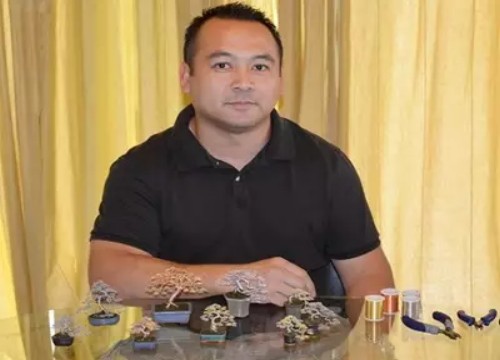
How do you practice miniature bonsai? Check out how this foreigner does it
They say art knows no borders. Take a look at this bonsai artist named Ken from Fresno, California. He discovered his passion for bonsai in 2007 and is devoted to miniature bonsai. He adopted a radical styling philosophy and a natural aesthetic eye, which quickly made his works popular in the bonsai world.
-
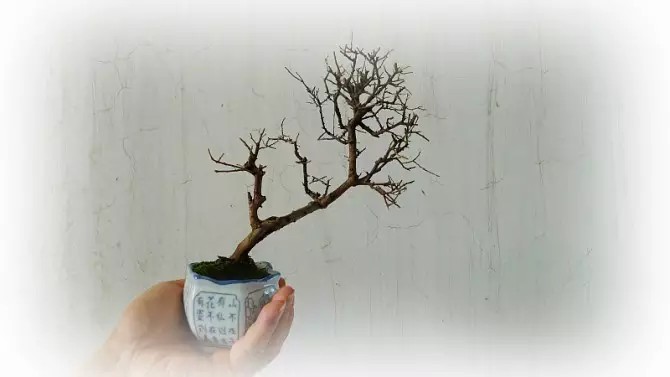
How do you make a miniature bonsai? This tutorial shows you step by step
Actually, making a miniature bonsai is not difficult. As long as you are interested, you will succeed through practice! First, find the miniature pot and stand you bought in advance. These are the necessary tools, and once the pot and stand are chosen, select the material that has been successfully cultivated. Here I chose this small Sageretia thea (Chinese sweet plum) and dug it up.
-
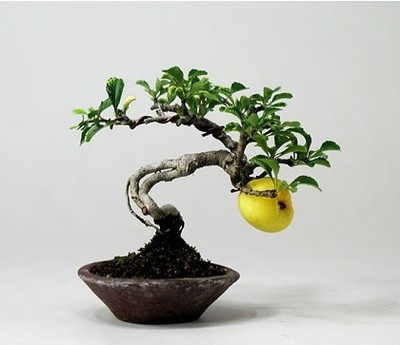
How to choose pots for miniature bonsai? Keep these considerations in mind
When shaping, the tree should be transplanted from a clay pot into a purple clay (zisha) pot or a glazed pot. The shape, size and color of the pot must match the tree. In general, a tall, deep cylindrical pot suits the cascade style; an oval or shallow rectangular pot is suitable for the formal upright or slanting style; a round pot can hold low, twisted plants; a polygonal shallow pot is suitable for the tall-trunk style
-
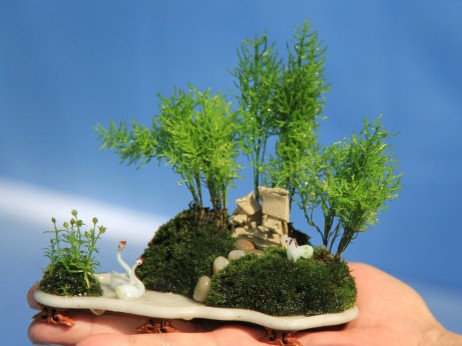
How to cleverly shape miniature bonsai? Sharing practical tips
Miniature bonsai shaping should also be expressed as poetic and picturesque, small but must be exquisite. For small trees, especially deciduous bonsai, the internodes must be short and the proportions must be harmonious to create something within a 15cm size. For pine and cypress miniature bonsai shaping, attention should be paid to the degree of compactness in the processing techniques
-
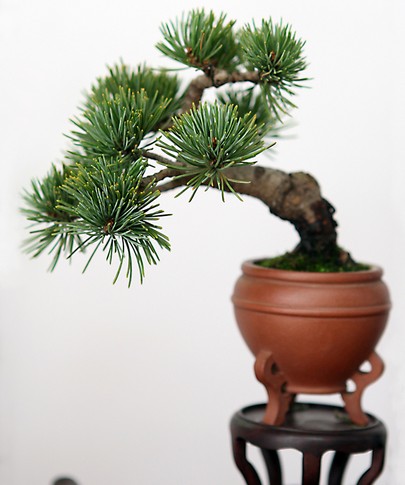
Material selection methods and techniques for making miniature bonsai
Miniature and small bonsai belong to the small-size category among bonsai artworks, with miniature bonsai being the smallest, generally under 10 cm, known as palm-top bonsai; small bonsai are 11 cm to 40 cm (Note: in this book, the first dimension given for a work is height, and the second is width). Precisely because they are known for being tiny, viewing the large within the small, and being small and exquisite
-
Detailed Explanation of Maintenance and Management Methods for Miniature and Small Bonsai
Although miniature and small bonsai are relatively easy to tend, they are not easy to cultivate. The maintenance of miniature bonsai especially requires careful and meticulous attention. The potting soil should be kept moist at all times, following the principle of "dry-wet alternation" (water when dry, let dry between waterings), or water can be applied by the pot-soaking method. In midsummer, place them in a shaded area and use a fine-nozzle spray bottle to mist the plants, maintaining a humid environment. During the growing season, apply light fertilizer frequently.
-
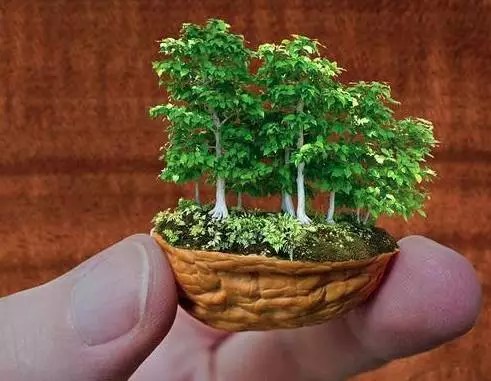
How to shape miniature bonsai? These practical tips you need to master
Miniature bonsai is one of the bonsai schools that are popular today. It uses small pots, has exquisite conception, and beautiful shapes, embellishing the room with full vitality. Miniature bonsai is a kind of creation mainly based on flowers and plants, embellished with small pieces such as rocks, and is increasingly used in garden design, garden landscaping and home viewing
-
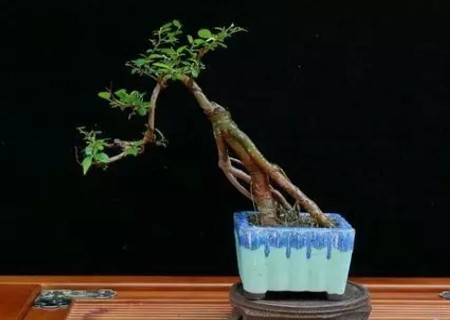
How to make a miniature bonsai? A step-by-step guide to the production method
Miniature bonsai are mainly composed of flowers and grasses, accented with small items such as rocks. They mostly use stonecrop, asparagus fern, saxifrage, spider plant, orchids, Japanese cleyera, narcissus, chrysanthemums, banana plants, reeds and other casual flowers and wild grasses. Miniature bonsai emphasize a small form and an exquisite, unique shape, with even more attention to the connotation of overall artistic beauty
-
How to grow miniature bonsai? Master these care tips
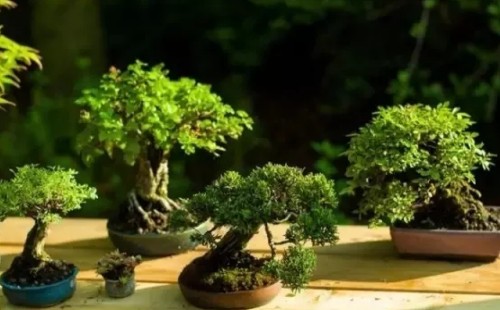
Although miniature bonsai are relatively small, they are very exquisite. You could say they are simply a scaled-down display of a larger landscape scene. After all, miniature bonsai often focus on flowers, grasses and green plants, with small accessories such as rocks as supplementary decoration, pursuing an effect of seeing the large within the small. Moreover, miniature bonsai take up very little space
-
What is the market prospect for miniature bonsai wholesale?
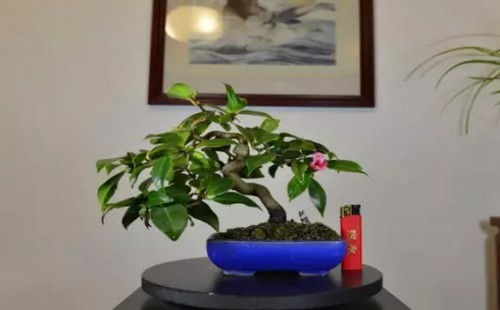
Miniature bonsai are often deeply loved for their exquisite form and appearance. Although they are relatively small, they are very refined. Whether in terms of styling design or care and management, the creator often pours tremendous effort into them. So, what is the prospect for the miniature bonsai wholesale market? In my personal opinion
条件筛选