-
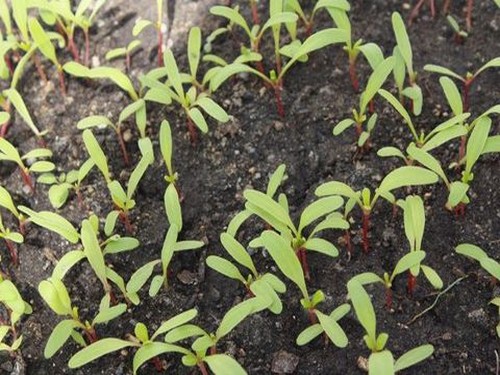
What are the management techniques for Clivia miniata bonsai seedlings?
Seedlings refer to shoots about half a year old, with about 1-3 leaves. Seedlings like light and high temperatures, and the temperature can best be controlled at 20-30°C. When the seed grows its first true leaf from the coleoptile, the plant begins its own development. Seedlings are ready for repotting about 3 months after sowing
-
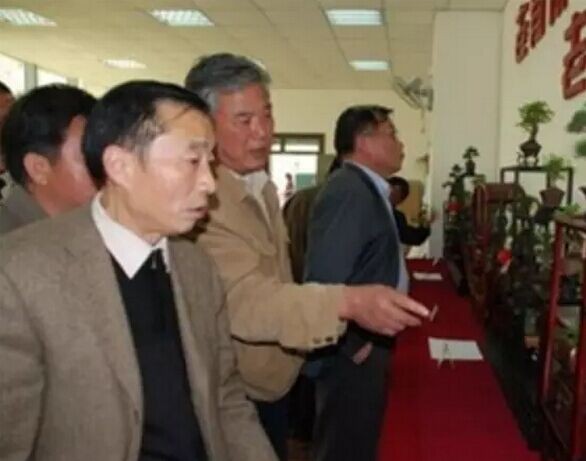
The Development Prospects and Characteristics of Miniature Bonsai in the 21st Century
Bonsai beautifies and improves the ecological environment and enhances residents' artistic cultivation and cultural depth; while miniature bonsai possesses the above characteristics and can also bring bonsai for foliage, flowers, roots, and fruit into millions of households - "the scenery once found only in the halls of the nobility now enters the homes of ordinary people" (inheriting bonsai culture
-
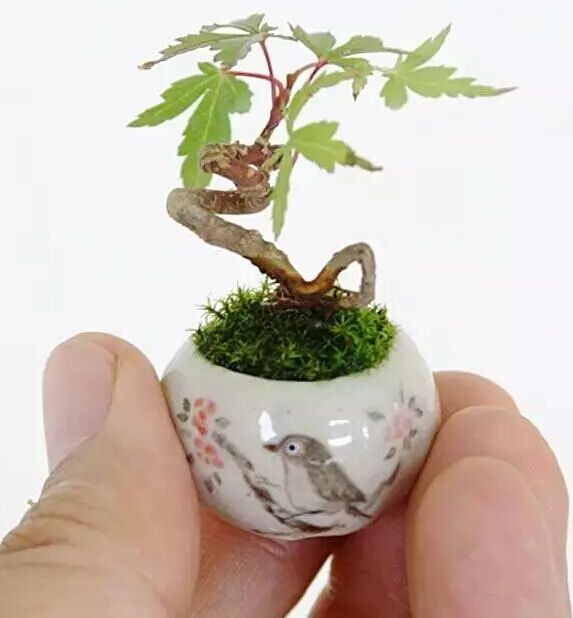
How to make miniature bonsai: learn to easily create a mini potted landscape
Miniature bonsai are mainly made up of flowers and plants, accented with small items such as mountain stones. They are small in form, with exquisite and unique shapes; holding them in your hand to admire gives a special kind of pleasure! A touch of greenery is a whole day of good mood. So small and exquisite, they are just so lovable! Truly a treasure in the palm of your hand! Besides tree shapes
-
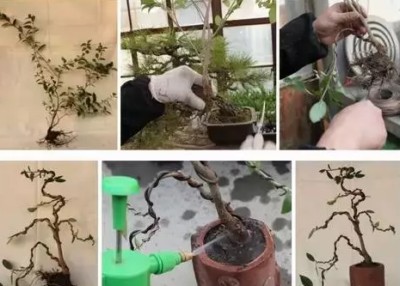
How to Make and Combine Miniature Bonsai? A Detailed Guide to the Method
Miniature bonsai are made mainly with flowers and grasses, accented with small items such as rocks. They are small in form, exquisite and unique in shape, and place great emphasis on overall structure and fineness of detail. For general plant shaping, the optimal time should be after the onset of winter and before the plants bud the following spring. Before shaping
-
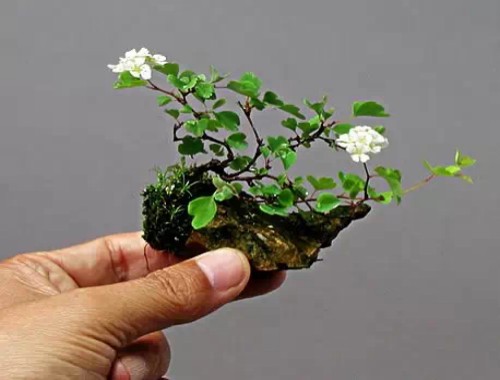
An Analysis of the Artistic Characteristics and Aesthetic Value of Miniature Bonsai
Miniature bonsai is a rare gem within the art of bonsai. As early as the Yuan Dynasty, there was the eminent monk Yun Shangren who wandered the four directions, condensing the beautiful scenery of nature into a tiny space, hence the name "xiezi jing" (tiny scenery). This is the ancestor of contemporary miniature bonsai. In the 1930s, Chinese horticulturist and writer Mr. Zhou Shoujuan
-
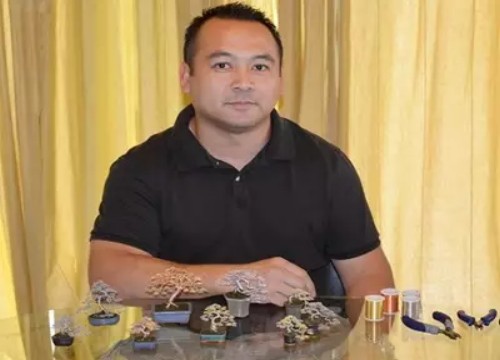
How do you practice miniature bonsai? Check out how this foreigner does it
They say art knows no borders. Take a look at this bonsai artist named Ken from Fresno, California. He discovered his passion for bonsai in 2007 and is devoted to miniature bonsai. He adopted a radical styling philosophy and a natural aesthetic eye, which quickly made his works popular in the bonsai world.
-
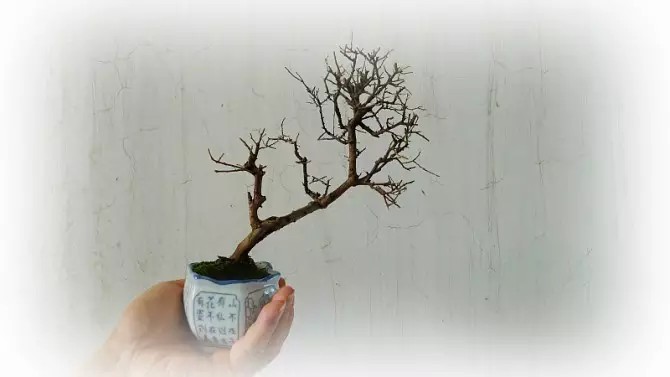
How do you make a miniature bonsai? This tutorial shows you step by step
Actually, making a miniature bonsai is not difficult. As long as you are interested, you will succeed through practice! First, find the miniature pot and stand you bought in advance. These are the necessary tools, and once the pot and stand are chosen, select the material that has been successfully cultivated. Here I chose this small Sageretia thea (Chinese sweet plum) and dug it up.
-
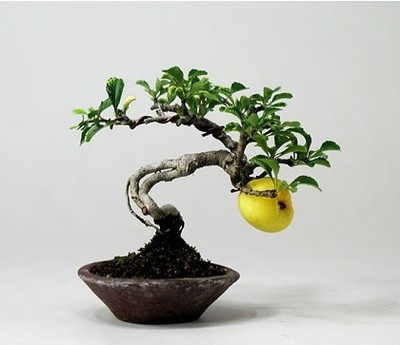
How to choose pots for miniature bonsai? Keep these considerations in mind
When shaping, the tree should be transplanted from a clay pot into a purple clay (zisha) pot or a glazed pot. The shape, size and color of the pot must match the tree. In general, a tall, deep cylindrical pot suits the cascade style; an oval or shallow rectangular pot is suitable for the formal upright or slanting style; a round pot can hold low, twisted plants; a polygonal shallow pot is suitable for the tall-trunk style
-
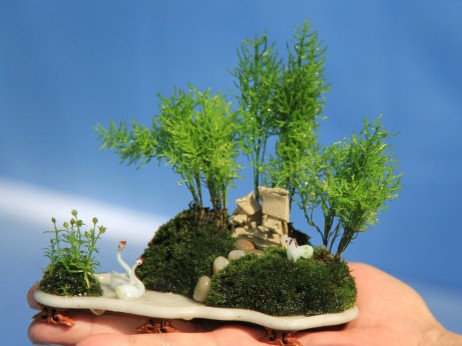
How to cleverly shape miniature bonsai? Sharing practical tips
Miniature bonsai shaping should also be expressed as poetic and picturesque, small but must be exquisite. For small trees, especially deciduous bonsai, the internodes must be short and the proportions must be harmonious to create something within a 15cm size. For pine and cypress miniature bonsai shaping, attention should be paid to the degree of compactness in the processing techniques
-
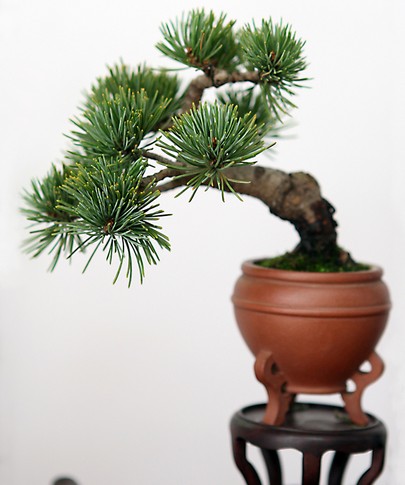
Material selection methods and techniques for making miniature bonsai
Miniature and small bonsai belong to the small-size category among bonsai artworks, with miniature bonsai being the smallest, generally under 10 cm, known as palm-top bonsai; small bonsai are 11 cm to 40 cm (Note: in this book, the first dimension given for a work is height, and the second is width). Precisely because they are known for being tiny, viewing the large within the small, and being small and exquisite
条件筛选