-
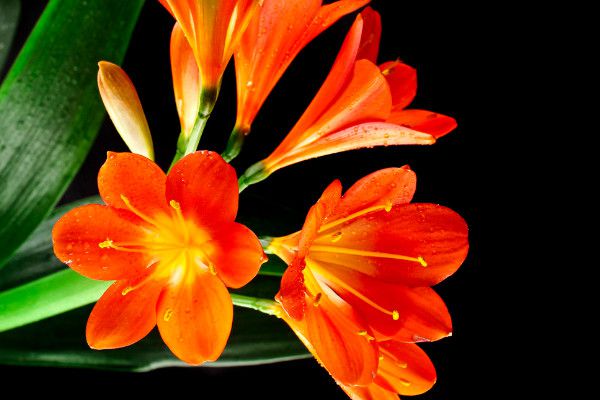
How many leaves should a Clivia miniata keep? Sharing the scientific leaf-retention method
How many leaves should a Clivia miniata keep
-
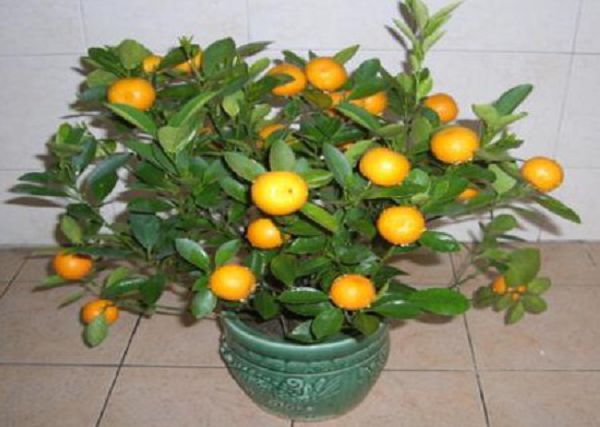
What is the suitable temperature and minimum cold-hardiness temperature for a potted orange tree?
What temperature should a potted orange tree be kept at, and what about its minimum cold-hardiness temperature?
-
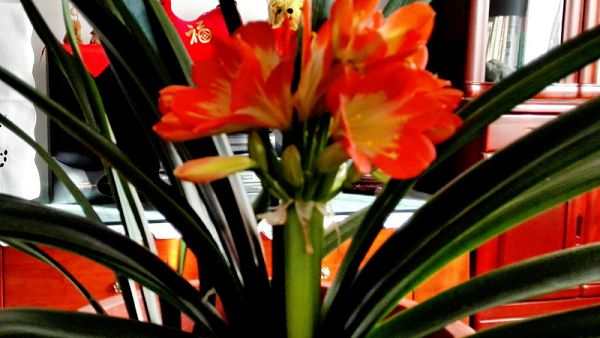
How to care for and manage a Clivia miniata after it develops flower buds?
Management methods for Clivia miniata after it develops flower buds
-
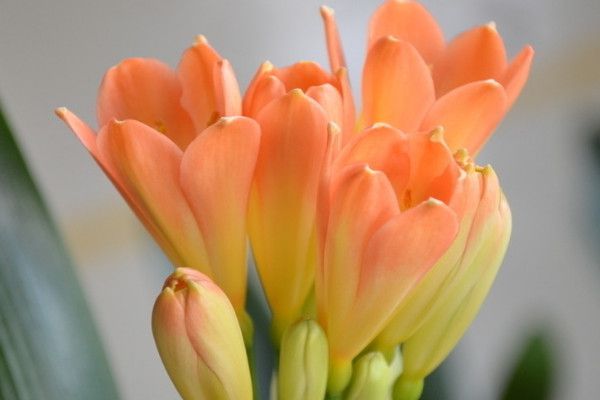
How do you grow Clivia (Clivia miniata) so the leaves are wide and short?
How to make Clivia leaves wide and short
-
-

Care Methods and Precautions for Miniature Bonsai
1. Placement. Because miniature bonsai have very little soil and the plants are small and delicate, they cannot withstand wind and sun, so they should be placed in a spot with plenty of sunlight, sheltered from wind and shaded. Place the bonsai in a sand bed covered with 3-4cm of wet sand, burying the pot shallowly in the wet sand, with a flat tile slightly larger than the bottom of the pot placed under the pot to prevent the plant's roots from growing into the sand. Alternatively, use a shallow tray, place a flat brick in it, let it protrude slightly above the water surface, and set the miniature bonsai on top of it; this will maintain a certain humidity for the bonsai. 2. Watering. The surface of a miniature bonsai pot has no water trough,
-
What are the methods for making miniature bonsai?
First, select suitable plant material, and pair it with a finely crafted, beautifully shaped small purple clay (zisha) pot; a rectangular or oval pot carved from white marble can also be used, as can other small containers of distinctive shape and fine workmanship, as long as a hole is drilled in the bottom, any of them can serve as a pot. Once the plant is chosen, it can be planted into a suitable pot. Generally, in a tall cylindrical pot, a semi-cascade or full cascade style is suitable. Rectangular and oval pots are suitable for growing a formal upright or slanting style.
-
How do you care for a miniature bonsai? Master these 5 care methods
1. Handling the branches: For a miniature tree crown, fewer branches should be kept so as to reveal as much of the elegance of the trunk as possible, and the retained branches should be properly shortened so that their proportions match the trunk. 2. Preventing leaves from turning yellow and falling off: Because miniature bonsai have small pots and little soil, water is often in short supply in summer, so leaves are prone to scorching yellow and falling off. To avoid yellowing and leaf drop, in addition to leaving a rim when potting and paying constant attention to watering and misting in the hot summer, you can place a brick in a large or small basin or a shallow water pool, add water until it just covers the brick surface, and then place the small bonsai on the brick to grow.
-
What are the characteristics of miniature bonsai, and which plants are suitable for growing them?
Miniature bonsai is also called palm bonsai, named so because the pot does not exceed the size of a palm. The height is generally less than 10 cm, making it an extremely small bonsai. Because of its small size and ease of display and arrangement, it is deeply welcomed by people at home and abroad. At present, the style of miniature bonsai has become popular throughout the world. Miniature bonsai already existed in ancient China. In 1972, on the corridor mural of the tomb of Li Xian, Crown Prince Zhanghuai of the Tang Dynasty (son of Wu Zetian), unearthed at Qianling in Shaanxi, there are two palace ladies holding potted plants. This is the prototype of ancient Chinese palm potted plants, which shows
-
Soilless Cultivation Methods and Techniques for Miniature Ficus Bonsai
Ficus is native to China, India and other places, and is commonly cultivated in Guangdong, Fujian and other areas of China. Ficus is very easy to propagate by cuttings. During the growing season, in combination with shaping, cut off a portion of a branch, disinfect it with plant ash, and after the sap has drained, insert the cutting into sand; after one and a half months it will survive and take root. Once the root system grows normally, it can be potted for cultivation and care. After potting, with careful management, after one year of growth the tree shape will be full with luxuriant branches and leaves. In the spring of the second year, soilless cultivation can be carried out to cultivate a miniature bonsai. First, the soil
条件筛选