-
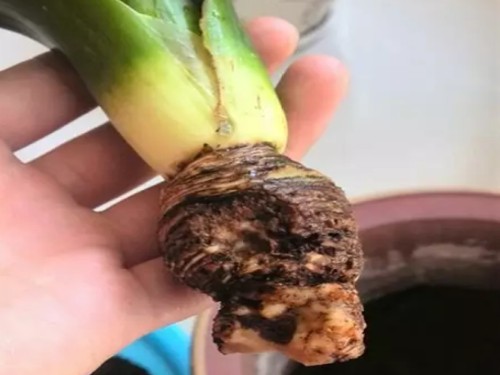
How to care for and manage a Clivia miniata after root rot so it can recover
Root rot in Clivia miniata is mainly caused by overwatering, high temperatures, overly concentrated fertilizer or raw manure, and in some cases by infection from pathogen-bearing growing media. Whether a Clivia miniata can survive after root rot depends mainly on whether the root axis is in good shape, whether the leaves have separated from the root axis, and the condition of the new leaves in the center.
-
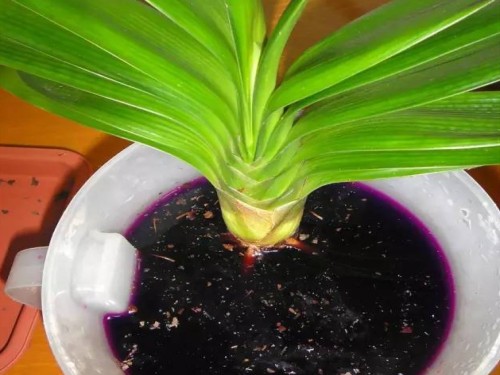
What to Do If a Potted Clivia Miniata (Kaffir Lily) Has Root Rot? Causes and Treatment Methods
Clivia miniata has bright, vivid flowers and high ornamental value, but growing it is not so easy and requires solid cultivation skills. Root rot in Clivia miniata can occur in all four seasons, but it is most common in summer. If you are even slightly careless about controlling water, the roots rot easily, and losing the plant is a great pity. Do not lose heart.
-

Fluralaner can be used for mite control in poultry farming; the Food and Drug Administration has announced a draft residue tolerance limit
The Food and Drug Administration under the Ministry of Health and Welfare has announced a draft amendment to Article 3 of the "Standards for Veterinary Drug Residues," setting residue standards for Fluralaner used in chicken meat and eggs and other products. Fluralaner can be used as an antiparasitic and is a medication for lice and mite control. The Food and Drug Administration referenced
-
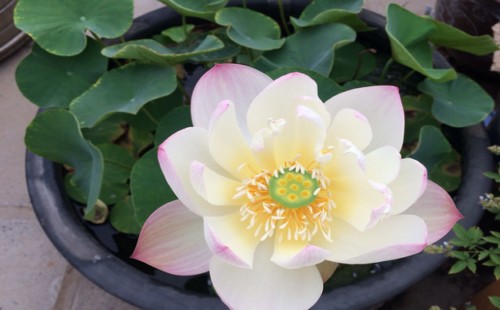
What happens if you don't add mud when growing bowl lotus (miniature lotus) hydroponically?
Bowl lotus, like water lilies, is an aquatic plant, and it is deeply loved by people for its extremely high ornamental value and its ability to purify and beautify ponds. So when we visit parks, we can often see its beautiful figure in the water. Moreover, for home potted plant enthusiasts, bowl lotus can also be grown in pots.
-
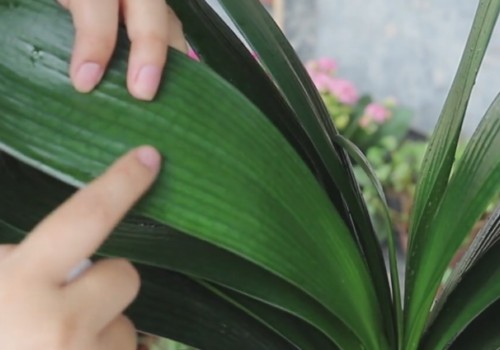
What are the common mistakes in caring for potted clivia (Clivia miniata)?
Clivia can release oxygen and is a freshener that absorbs smoke, and its blooms are large and beautiful, making it deeply loved by flower enthusiasts. Although many flower enthusiasts carefully tend to their potted clivia, it still quickly wilts and even dies. Today
-
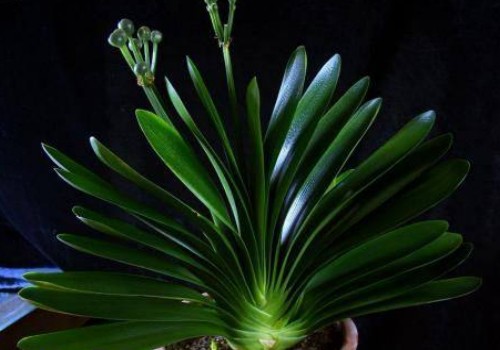
Why doesn't a potted Clivia (Clivia miniata) bloom?
As everyone knows, if a potted Clivia at home has only been grown for 1-2 years, it usually cannot bloom. But if it still fails to bloom after being grown for more than 3-4 years, then there must be a reason. Below, the editor will tell you why Clivia does not bloom. Sufficient nutrients
-
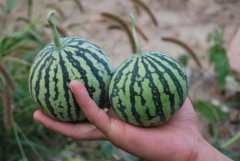
What are the characteristics of Kisy, a new Spanish mini watermelon variety, and is it seedless?
Dutch vegetable breeding company Nunhem recently took part in the first fruit event of its parent company BASF. At the trade show, among other products, the watermelon variety Kisy was also promoted. It is a personal-sized watermelon weighing 600 to 900 grams. This K
-
A Detailed Guide to Making a Micro Ecological Miniature Landscape
In a transparent glass container, or a ceramic vase or wrought-iron vase, plant ferns and succulents, pair them with sand, stones, wood and moss, add various cute ornaments, and create a cozy scene; one after another beautiful and fresh ecological micro landscape appears before us. Feel nature with your heart
-
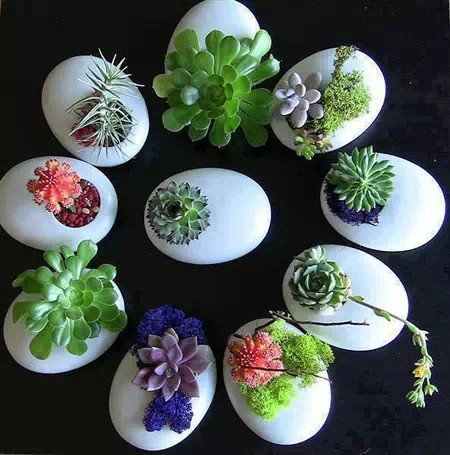
A practical method for making miniature landscapes in eggshells, simple and easy to learn
Making panoramic sugar eggs is a Western Easter custom, referring to small miniature landscapes made inside eggshells using sugar and other materials. Inspired by traditional sugar eggs, we thought it would be fun to make our own plant miniature landscape with flowers and plants. So we dug out a small electric saw and prepared to carve on eggs.
-
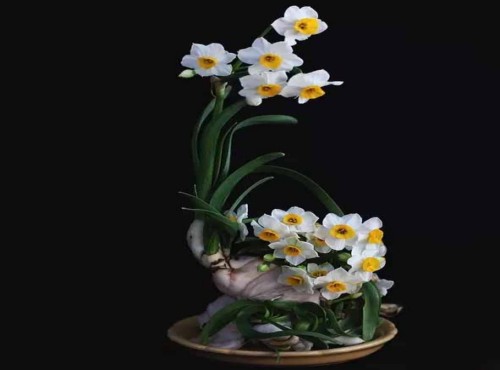
A Detailed Guide to Making Miniature Narcissus Bonsai
Narcissus is one of China's top ten famous flowers and a cherished offering in Chinese folk tradition. Every New Year, people love to display narcissus in clean water as a decorative New Year flower. This is because narcissus can be grown in clean water alone without the need for soil. The roots of the narcissus are like silver threads, spotless and pure; the leaves are vivid and lush green; the flowers resemble golden cups on silver platforms
条件筛选