-
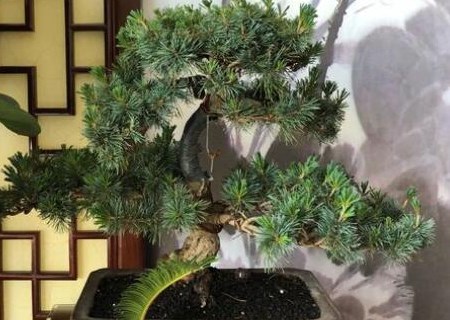
How to Grow and Care for Buddhist Pine (Podocarpus macrophyllus): Methods, Precautions, Uses and Prices
Buddhist pine, also known as tu shan, is an evergreen coniferous tree in the family Podocarpaceae, genus Podocarpus. It is distributed across many provinces and regions of China and is cultivated in gardens as an ornamental tree. So do you know what the growing methods and precautions for Buddhist pine are? What uses does it have? How much does one sapling cost? We have learned the latest prices from the Buddhist pine trading market.
-
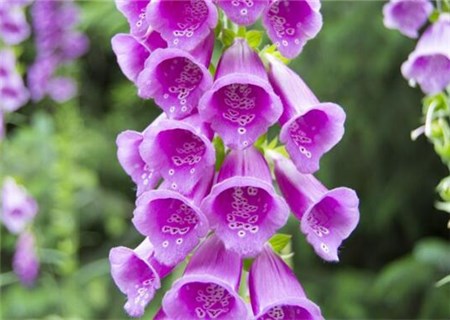
Foxglove (Digitalis) Seed Sowing Time and Planting Methods, and How It Differs from Lupine
Digitalis: also known as foxglove, poison herb, purple foxglove, and bellflower, native to the central and southern mountainous regions of Europe. It is now widely cultivated in places such as Zhejiang, Shanghai, Jiangsu and Shandong in China. So do you know when foxglove seeds should be sown? What are the planting methods? And how does it differ from lupine?
-
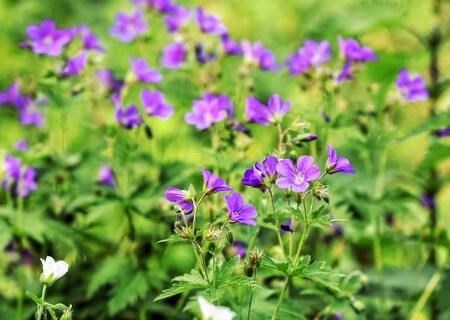
Mosquito Repellent Plant Also Known as Scented Geranium: Seed Planting Methods, Uses and Suitability for the Bedroom
The mosquito repellent plant (scented geranium, Pelargonium graveolens) prefers a warm, humid environment with plenty of sunlight and has poor cold tolerance. Scented geranium is widely popular because the plant has a volatile fragrance and has a wide range of uses, so people love to grow it. So do you know what the seed planting methods for the mosquito repellent plant are? Is it suitable to put in the bedroom? What uses does it have?
-
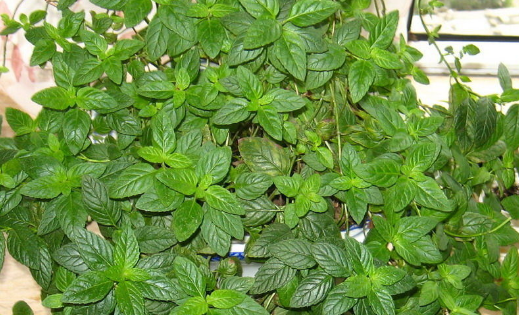
Cultivation and Propagation Methods, Precautions, and Benefits of Peppermint (Mentha × piperita) in the Lamiaceae Family
Peppermint prefers a warm, humid environment, so what are the cultivation methods and precautions for peppermint? How do you propagate it? What benefits and effects does it have? According to available information, peppermint is a major economic mint species, its leaves can be used as a vegetable, served cold or stir-fried, and it is commonly used to make tea in Europe.
-
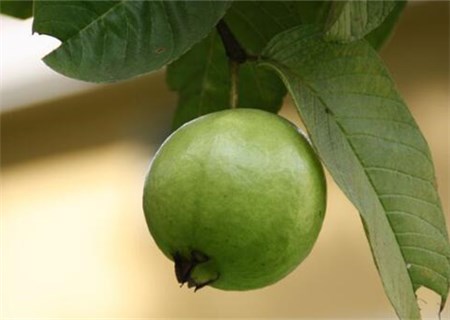
Guava (Myrtaceae) planting methods and nutritional value: can pregnant women eat it?
Guava is a tree in the myrtle family (Myrtaceae), native to South America. It is cultivated throughout South China, and is commonly found as an escaped wild species, reaching as far north as the Anning River valley in southwestern Sichuan, growing on wasteland or low hills. So do you know what guava planting methods there are? Can pregnant women eat it? What nutritional value does it have? What guava planting methods are there
-
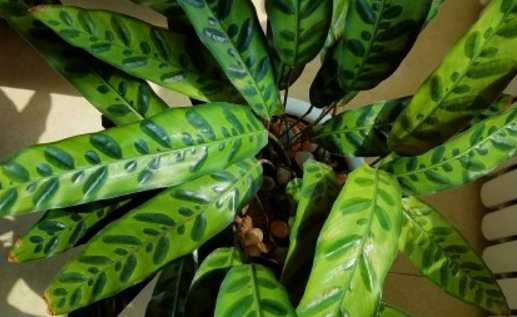
Marantaceae Arrowroot (Calathea lancifolia): Care Methods, Propagation Techniques and Value Explained
Calathea lancifolia, also known as lance-leaved calathea and variegated arrowroot, so what are its care methods? How is it propagated? What value does it have? According to available information, Calathea lancifolia is native to Brazil and other places. It likes a warm and humid growing environment and prefers partial shade. It is a shade-tolerant plant.
-
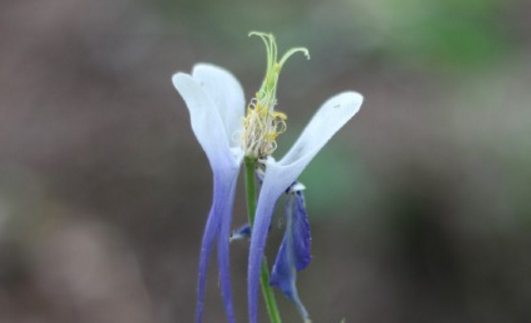
Columbine Cultivation Methods and Precautions, Flowering Time, and Benefits and Effects
Columbine is a plant in the buttercup family (Ranunculaceae), bearing beautiful flowers, and is a perennial herbaceous plant. So what are the cultivation methods and precautions for columbine? When does it bloom? What benefits and effects does it have? According to available information, columbine generally blooms in June or July.
-
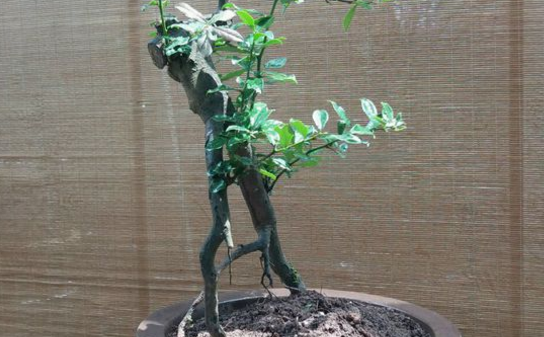
When Does the Chinese Persimmon Bloom and Bear Fruit? Growing Methods, Precautions, and Whether It Is Edible
The Chinese persimmon is also known as the bottle orchid, black pagoda, and spiny persimmon. So what are the growing methods and precautions for the Chinese persimmon? Can it be eaten? When does it bloom and bear fruit? According to available information, the Chinese persimmon likes sunlight and prefers to grow in a relatively warm environment, though it can tolerate low temperatures.
-
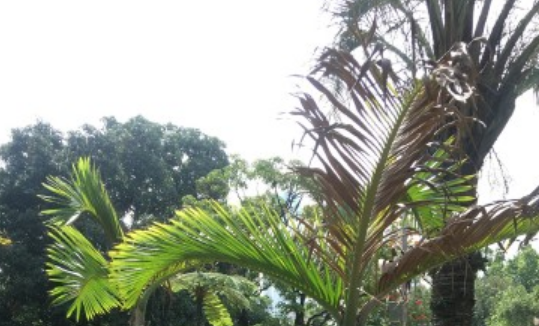
Bottle Palm Cultivation Methods, Precautions, Propagation, Effects and Benefits
The Bottle Palm is also known as the gourd-stemmed Hyophorbe. So what are the cultivation methods and precautions for the Bottle Palm? How do you propagate it? What effects and benefits does it have? According to available information, the Bottle Palm is mostly suited to cultivation in tropical regions; it likes high temperatures and environments with ample sunlight. If grown in northern regions
-
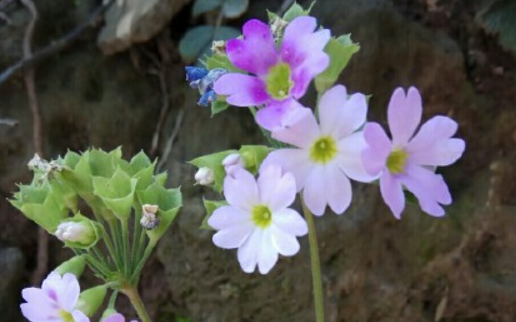
Is the Primula obconica (fairy primrose) poisonous? Detailed explanation of propagation methods and medicinal effects
The fairy primrose and other various primroses are important indoor potted flowers, so is the fairy primrose poisonous? How do you propagate it? What effects and uses does it have? According to information, the flowering room temperature for the fairy primrose is 10-15°C. Unlike other primroses, it does not require low temperatures
条件筛选