When Does the Chinese Persimmon Bloom and Bear Fruit? Growing Methods, Precautions, and Whether It Is Edible
The Chinese persimmon is also known as the bottle orchid, black pagoda, and spiny persimmon. So what are the growing methods and precautions for the Chinese persimmon? Can it be eaten? When does it bloom and bear fruit? According to available information, the Chinese persimmon likes sunlight and prefers to grow in a relatively warm environment, though it can tolerate low temperatures. The suitable growing period for the Chinese persimmon is from April to November each year. During its growing period, sufficient water and fertilizer must be ensured for it to grow well. In addition, the Chinese persimmon is not very demanding about soil; it can grow in either slightly acidic or slightly alkaline soil, and is relatively low-maintenance.
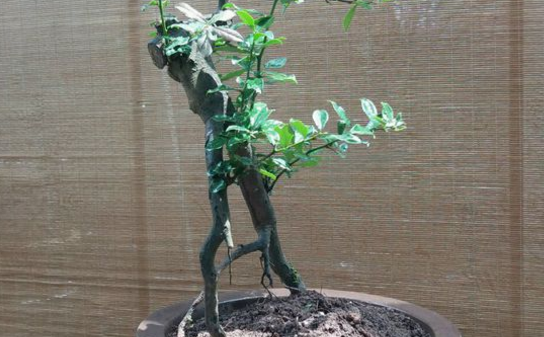
I. Growing Methods and Precautions for the Chinese Persimmon
Temperature and Light
The Chinese persimmon tolerates low temperatures, but its activity requires a high accumulated temperature. April to November is the suitable growing period for the Chinese persimmon, and the suitable growing temperature should be kept between 28 and 33°C. It likes ample sunlight; note that it should not be placed indoors for too long, otherwise insufficient light will cause its leaves to drop and affect fruit set.
Watering
The Chinese persimmon likes a moist, semi-shaded growing environment. Normally, the potting soil must be kept moist and must not be too dry. During high summer temperatures, while taking care to provide shade, increase the frequency of watering, and use a sprayer to mist the plant to raise the surrounding air humidity. During the flower bud differentiation stage, water must be strictly controlled, focusing on dryness, and watering should be done once the soil is completely dry. Along with watering, an appropriate amount of quick-acting fertilizer can be added, but the concentration should not be too high.
Soil
The Chinese persimmon can grow well in both slightly acidic and slightly alkaline soil.
Fertilizing
In spring, mainly nitrogen fertilizer is used to promote branch growth and prepare for cultivating new fruiting branches. During the growing period, fertilize sufficiently, applying more phosphorus fertilizer. In the later stage of branch growth, mainly apply potassium fertilizer, such as plant ash. Generally, when repotting, also add fertilizers such as cake fertilizer.
Precautions
The Chinese persimmon tolerates poor soil. With sufficient fertilizer, it grows well, showing thick leaves, a dark green color, and a glossy shine. If too much fertilizer is applied, it will cause the leaves to curl and wrinkle.
The Chinese persimmon is relatively drought-tolerant and absorbs and transpires a lot of water. The symptoms of water loss are limp leaves, a dull leaf color, and no gloss; when severely short of water, the leaves appear drooping and hanging down. If this situation is observed, timely watering alone can quickly restore the plant's vitality.
II. Can It Be Eaten?
It must be made clear that the Chinese persimmon is slightly toxic, and eating too much can easily cause diarrhea.
The scientific name of the Chinese persimmon is Chinese persimmon (Diospyros cathayensis), and its fruit also resembles the persimmons people commonly eat in many ways. Many people may confuse the two, mistakenly assuming there is a kinship between them, which can easily lead to accidental ingestion. In fact, the Chinese persimmon is a semi-evergreen shrub or small tree that can be enjoyed for its flowers and fruit, has good ornamental value, and is often used in garden design.
The fruit of the Chinese persimmon is somewhat toxic, and eating it will harm the body. Although it has the scientific name Chinese persimmon and bears glossy, attractive fruit, it can only be used as an ornamental display. The Chinese persimmon is not edible.
III. When Does It Bloom and Bear Fruit?
The Chinese persimmon generally blooms between March and April each year. The flowers are pale yellow, shaped like bottles, and give off a fragrance that smells somewhat like orchids.
Chinese persimmon plants are male and female, and both bloom, but their blooming is different. Generally, when a male Chinese persimmon blooms, many flowers emerge below the leaf buds, and the flowers look like small lanterns; when they open, the stamens can be seen. When a female plant blooms, there are only one or two flowers below the leaf buds, and the flowers are relatively large, looking somewhat like persimmon flowers, and young fruit can be seen inside the flowers.