Columbine Cultivation Methods and Precautions, Flowering Time, and Benefits and Effects
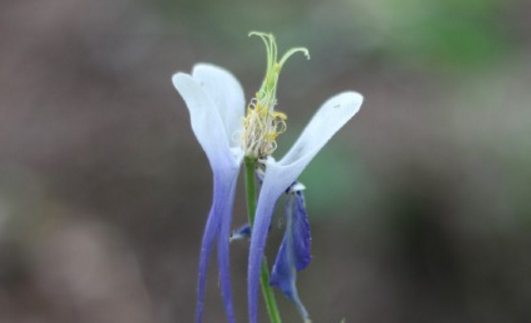
Columbine is a plant in the buttercup family (Ranunculaceae), bearing beautiful flowers, and is a perennial herbaceous plant. So what are the cultivation methods and precautions for columbine? When does it bloom? What benefits and effects does it have? According to available information, columbine generally blooms in June or July, producing blue, purple, or other colored flowers, with yellow anthers, and it has medicinal value.
I. What are the cultivation methods and precautions for columbine?
Pot and soil selection
For potted columbine, choose a slightly larger flower pot and place soil in it. The soil can be sandy soil with good drainage or leaf mold rich in humus. A little base fertilizer needs to be added to the soil.
Light and temperature
Columbine prefers a cool climate, tolerates cold but dislikes high temperatures, and needs sufficient light. When caring for columbine, maintain the growing temperature between 15°C and 35°C, with moderate light, avoiding the high temperatures and scorching sun of summer. At this time, shade is needed, or the potted columbine can be placed in a semi-shaded spot for care.
Watering and fertilizing
Columbine needs strengthened management with reasonable watering and fertilizing. During the vigorous growth period of columbine, sufficient water must be provided, and the amount and frequency of watering should be determined by the dryness or moisture of the potting soil, but waterlogging must be avoided. In dry weather, drain water promptly, and after rain, drain excess water promptly, taking care to maintain a certain level of air humidity. For fertilizing, medium fertility is sufficient; fertilizer can be applied once a week, but be careful not to make the concentration too high. Note that fertilizing should stop after autumn begins. In addition, before columbine blooms, some phosphorus and potassium fertilizer should be applied to make the flowers more vibrant.
Precautions:
Propagation methods
Columbine is basically propagated by division or sowing. Sowing propagation can be done in spring or autumn, while division propagation is mainly done in autumn.
Pinching
During the growth period, columbine needs timely pinching to control the plant's height. After columbine finishes blooming, the spent flowers can be cut off, so that columbine can be cared for as a foliage plant.
Pests and diseases
The main pest of columbine is aphids, which cause significant damage and can also cause mosaic disease. In addition, there is also the threat of powdery mildew, which requires timely and reasonable treatment.
II. When does it bloom?
1. The flowering period of columbine
Columbine blooms from May to July each year. Generally, when columbine blooms, it produces 3 to 7 flowers, usually blue or purple, though there are also some other colors, and the anthers are yellow.
2. The flower language and legend of columbine
Columbine has a distinctive flower language: must succeed, insist on victory. For example, the purple columbine symbolizes victory.
The legend about columbine is actually quite old. It is said that in ancient Greece, warriors fought to protect their homeland, and the men all joined the war. War involved dangerous close-quarters combat, and the columbine growing among the jumbled rocks deep in the valleys witnessed people's wars and also witnessed the victorious side, so its flower language is victory.
III. What benefits and effects does it have?
The ornamental value of columbine
Columbine's leaves are very graceful and charming, and its flowers are even more unique and distinctive, with very diverse colors and a long flowering period, opening successively from spring to autumn. It usually grows naturally scattered among grassy mountain areas, and its natural landscape is very beautiful. It can be grown in pots for viewing, and large-flowered and long-spurred varieties can also be used for cut flower arrangements, placed among shrubs and at the forest edge. In addition, columbine can also be used as planting material for flower beds, flower borders, and rock gardens.
The medicinal value of columbine
1. The collection time for columbine is from June to July each year. After collecting it, simply dry it in the sun. Columbine's hemostatic effect is particularly good. In traditional Chinese medicine, columbine is considered a Chinese herbal medicine with a slightly bitter, pungent, and sweet taste and a neutral nature.
2. The main function of columbine is to invigorate blood, and it has a good regulating effect on irregular menstruation in women. Columbine has the effects of cooling blood and stopping bleeding as well as clearing heat and detoxifying, and can treat dysmenorrhea, treat metrorrhagia and metrostaxis, and treat dysentery.
3. Usage and dosage of columbine: Columbine is mainly used internally, taken as a decoction at 3-6 g; or columbine can be made into a paste, and it can also be made into preparations and pills.
4. Columbine can also be made into Twelve-Ingredient Xundao Niu Pills. Twelve-Ingredient Xundao Niu Pills can be used to treat plague fever and blood-heat disease, and can also be used to treat gallbladder-heat disease and intestinal-heat disease. The method of taking Twelve-Ingredient Xundao Niu Pills is oral, 3 g per dose, taken two to three times a day.