Cultivation and Propagation Methods, Precautions, and Benefits of Peppermint (Mentha × piperita) in the Lamiaceae Family
Peppermint prefers a warm, humid environment, so what are the cultivation methods and precautions for peppermint? How do you propagate it? What benefits and effects does it have? According to available information, peppermint is a major economic mint species, its leaves can be used as a vegetable, served cold or stir-fried, and it is commonly used to make tea in Europe. It can also be used in sauces, beverages, cold dishes, and in cooking sword beans or potatoes, or in cooking fish, and it is also used when making pastries.
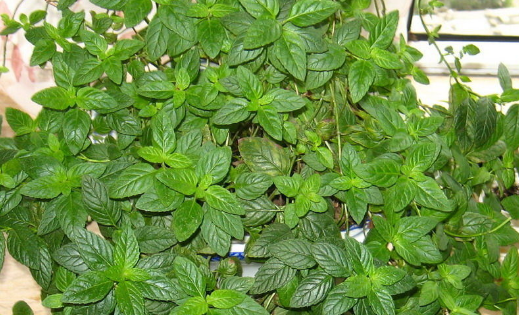
I. What are the cultivation methods and precautions for peppermint?
Sowing
Well-drained sandy loam or deep loamy soil is best. Scatter the seeds evenly over it, cover lightly with soil and keep it moist. Germination is faster at 20-25°C. After germination, let the seedlings receive light as soon as possible to prevent leggy growth.
Light
Peppermint needs plenty of light to grow, especially after germination; insufficient light will cause leggy stems and leaves.
Pruning
Peppermint grows very quickly. When the seedlings reach a certain height, pinch out the growing tips to encourage branching. Also remove yellowing leaves promptly.
II. How do you propagate it?
1. Rhizome propagation of peppermint
In production, peppermint is generally propagated by rhizomes. Rhizome propagation is usually done in autumn, from late October to early November.
Peppermint needs to be kept for seed. Dig out the underground rhizomes, taking care to choose relatively white, thick rhizomes, and cut the rhizomes into small sections of about 10cm.
Plant the peppermint rhizomes in flower pots or in pre-dug furrows, and after planting cover them with a layer of finer soil.
2. Seedling propagation of peppermint
Seedling propagation is also a relatively common propagation method in peppermint production. Generally, you need to choose land with relatively thick, uniform, healthy plants free of pests and diseases to keep for seed. Peppermint can be harvested in autumn.
In early April in spring, when the peppermint seedlings grow to 15cm, transplant them. When transplanting, note that there should be a spacing of about 20cm between seedlings, and two peppermint plants can be planted in each hole.
After planting peppermint, cover it with soil, then firm it down, and you can water it with some thin manure water to help it establish roots.
3. Other propagation methods for peppermint
Besides rhizome propagation and seedling propagation, peppermint can also be propagated by sowing and by cuttings.
For sowing propagation of peppermint, finely scatter the seeds on a sandy medium, cover with soil, keep the temperature above 10°C, and keep the soil moist; germination will be relatively quick.
Cutting propagation is also relatively simple; just select well-growing branches for cuttings.
III. What benefits and effects does it have?
1. Culinary uses of peppermint
Peppermint is very easy to use as food. The leaves of peppermint can be used as a vegetable, served cold or stir-fried until cooked. They can also be used as a seasoning, added to beverages, sauces, cold dishes, or during cooking, and can be put into pastries.
2. Medicinal effects of peppermint
Peppermint also has great value as medicine. It can quickly suppress fever and is highly effective for colds. Psychologically, it also has a calming effect on anger and fear.
3. Other uses of peppermint
Peppermint has many other uses as well. In industry, peppermint can be used to make fragrance for soap. Peppermint can also be used to make essential oil, which has many uses; peppermint essential oil can be added to candy and toothpaste, and it is also used quite a lot in chewing gum. In addition, the essential oil also has the effect of beautifying the skin, increasing skin elasticity, resisting aging, fading scars, and removing toxins from the body. The essential oil can also be used to make deodorant agents and cooling balm, and it can refresh the mind.