-
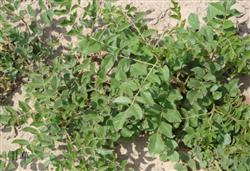
Detailed Guide to Harvest Time and Processing Methods of Licorice
Key technical measures for high-yield cultivation: choose fertile, loose-textured, well-drained sandy loam soil for planting. Treat seeds before sowing to improve germination rate, water during the seedling stage to keep seedlings alive, and apply sufficient phosphorus and potassium fertilizer every early spring. Harvest and processing 1. Harvest: Licorice propagated by seed generally grows for 4...
-
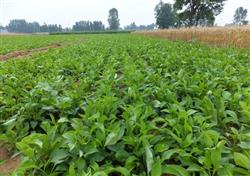
A Detailed Guide to the Cultivation Techniques and Growing Methods of the Chinese Medicinal Herb Atractylodes macrocephala
Cultivation Techniques 1. Raising Seedlings (1) Preparing the Seedbed One month before sowing Atractylodes macrocephala, turn the soil, cover it with a 30 cm thick layer of weeds, and burn the soil to disinfect it and prevent pests and diseases. Immediately after burning, turn the grass ash into the soil. If the soil is not to be burned, it can be turned in the previous winter so that the soil is fully weathered by freezing. The land...
-
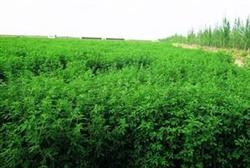
Detailed Explanation of Licorice Seedling Raising Methods and Key Planting Techniques
Abstract: Licorice is the source material for a large number of traditional Chinese medicine preparations, and is widely used in food, beverages, tobacco, daily chemicals and other fields, with broad application prospects. However, due to the lack of wild licorice resources, artificial planting efforts need to be increased. In order to improve licorice seedling raising and planting techniques, the Urumqi Grassland Station conducted licorice seedling raising and planting...
-
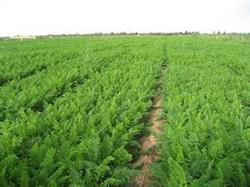
Detailed Explanation of Licorice Seedling Raising and Transplanting Methods and Technical Key Points
The glycyrrhizic acid contained in licorice is 200 to 300 times sweeter than sucrose, making it the best natural sweetener discovered to date. China exports large quantities of licorice and its extracts to European, American and Southeast Asian countries, and it has become a major foreign-exchange-earning medicinal herb. Due to increasing demand at home and abroad, wild licorice resources are becoming increasingly depleted. Therefore, it is necessary to...
-
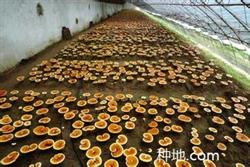
How to Grow Reishi Mushroom? Detailed Explanation of Cultivation Methods and Techniques
How do you grow reishi mushroom? What aspects should you pay attention to? The following reishi mushroom cultivation techniques can serve as a reference: Reishi mushroom, also known as reishi herb, mushroom reishi, red reishi, etc., has effects such as nourishing and strengthening the body, reducing inflammation and phlegm, and relieving cough and asthma. Bottle (or bag) cultivation of reishi mushroom is relatively simple and easy to learn. (1) Preparation of the nutrient material. ...
-
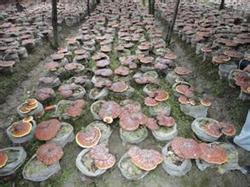
Detailed Explanation of Reishi Mushroom Cultivation Techniques: Scientific Cultivation Methods and Management Key Points
In recent years, bag-cultivated reishi mushroom has been widely promoted. The author summarizes years of reishi mushroom production practice, and now introduces several production technique key points as follows: 1. Choose a suitable cultivation period: In Taizhou City, Jiangsu Province, the most suitable cultivation period for reishi mushroom is from April 10 to May 10, and after May 20, the bags are opened successively for mushroom fruiting. Every year from June to...
-
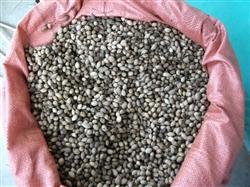
Detailed Explanation of Spring Seed Propagation Methods for Japanese Honeysuckle
Harvest black fruits in January. After harvesting, pile them at a thickness of 30 cm and let them undergo after-ripening for 5-7 days, then put them in clean water and rub and wash away the fruit skin and flesh, and dry them in a shaded place. Avoid direct sunlight, then winnow away the shriveled seeds and store them for later use. Seed treatment: before sowing, soak the seeds in warm water at 35-40°C for 24 hours, take them out and mix with...
-
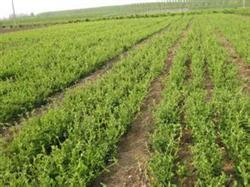
How to Grow Japanese Honeysuckle? A Complete Guide to Methods and Key Technical Points
Japanese honeysuckle (Lonicera japonica) is a perennial tree-form plant grown for its medicinal flower buds; it is cold-tolerant and drought-tolerant, and can grow on barren hills, waste slopes, hilly ridges and sandy beaches. After receiving the honeysuckle seedlings, immediately untie the package, dip the roots in muddy water to improve the survival rate, and plant them promptly. Planting method: row spacing 1.3-1.5 m, plant spacing 0.9-1 m, with the seedling roots planted about 10 cm deep...
-
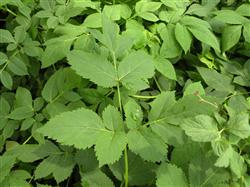
How to grow Angelica sinensis? Planting methods and key technical points
How to grow Angelica sinensis well? Please give guidance. To grow Angelica sinensis, you can refer to the following methods: For transplanted seedlings, loosen the soil and weed 3 to 4 times in 1 year, the first time when the seedlings are 3 to 5 cm tall. Apply topdressing after intertillage and weeding. For the first application, apply 1500 to 2500 kg of dilute human and livestock manure water per 667 sq m; for the second and third applications, apply 2500 to 3000 kg of decomposed...
-
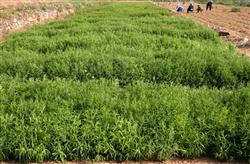
What are the propagation methods of Angelica sinensis?
How many methods are there for propagating Angelica sinensis? Please provide an introduction. Angelica sinensis is propagated by seed, generally using the method of raising seedlings and then transplanting, though direct sowing can also be used. 1. Raising seedlings and transplanting (1) Selecting seeds: After seed selection, Angelica sinensis yields about 14.6 kg more per mu than unselected seeds. The main selection method is selecting by seed head. At harvest time for Angelica sinensis, when the seed coat...
条件筛选