-

How to plant cold-hardy roses? Detailed guide to rose cultivation methods
How to plant cold-hardy roses? Please explain the planting method. Cold-hardy roses can be planted and managed using the following methods: 1. Planting environment for cold-hardy roses. Cold-hardy roses are highly adaptable and prefer a sunny, wind-sheltered, well-ventilated environment. The suitable growing temperature is 8-25°C, the most suitable relative humidity is 75-80%, and in winter they can tolerate low temperatures of -35°C. Cold-hardy roses are suitable for ground planting for landscaping or for container growing, and prefer fertile, loose loam or light clay that drains and aerates well and is rich in humus.
-

Lily planting technique video, a detailed explanation of cultivation methods and key points
How to manage tea plants well in summer? Please give an introduction to the methods. After continuous picking, a large amount of nutrients in the tea plant's body are consumed. When summer high temperatures arrive, the soil becomes compacted, weeds grow densely, soil fertility declines, and there are many insect pests, affecting normal growth. Therefore, the main task of summer tea garden management is to restore the vitality of the tea plants,...
-
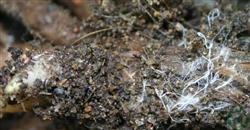
How to prevent and control southern blight in tree peonies? Control methods growers must see
How to prevent and control southern blight in tree peonies? What harm does southern blight in tree peonies cause? Please provide an introduction to the harm of southern blight in tree peonies: Click to open the link. Southern blight in tree peonies mainly occurs at the stem base near the ground of the seedlings. When it first occurs, the cortex of the diseased part turns brown, gradually spreads to the surrounding area, and produces white silky...
-

Detailed Introduction to Lily Planting Methods
Recently, a reader left us a message saying: You have the planting and pest control for edible lilies here, so why is there no planting technique for ornamental lilies? So now we are adding it: Lilies are plants of the genus Lilium in the family Liliaceae. They are excellent both as medicine and food, and the bulbs are used for food or medicine. They have the functions of nourishing yin and moistening the lungs, and clearing the heart and calming the mind....
-
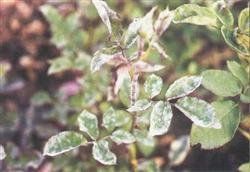
What Is Rose Powdery Mildew? A Detailed Guide to Effective Treatment Methods
What is rose powdery mildew? How is it cured? Please explain. Rose powdery mildew is caused by a fungal pathogen infecting the leaves, flowers, and tender shoots of roses. In early spring, the leaves that unfold from infected buds are covered on both the upper and lower surfaces with a white powdery substance. The leaves shrivel, curl backward, and thicken, then gradually dry up and die, becoming the primary source of infection. During the growing season, leaves...
-

What Is Peony Seedling Damping-Off? A Detailed Guide to Peony Care Methods
What is peony seedling damping-off? What harm does peony seedling damping-off cause? What methods can prevent and control it? Please also give an introduction. The harm of peony seedling damping-off: This disease is distributed in both southern and northern regions and occurs at the seedling stage. This fungus has a broad host range and can harm the sown seedlings of more than 100 plant species. It is also highly susceptible to infecting the seedlings of Michella alba, dahlia, China aster, chrysanthemum, spider plant, and Portulaca grandiflora propagated by softwood cuttings, causing damping-off or root rot.
-
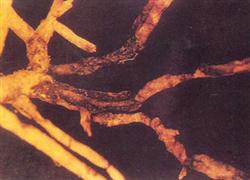
What is peony purple root rot? Introduction to peony care methods
What is peony purple root rot? What harm does purple root rot do to peonies? We ask friends to help explain the harm of peony purple root rot: commonly known as purple or black root rot, it is a common fungal disease of peonies. The incidence rate is higher in old plants and in fields with years of continuous cropping. Besides peonies, it also harms forest trees, fruit trees and...
-
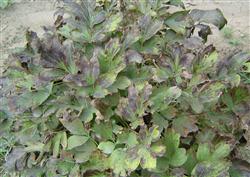
Peony Cultivation Methods and a Detailed Guide to Common Pests and Diseases
What pests and diseases affect peonies? How should peony pests and diseases be prevented and controlled? We ask fellow gardeners to share their advice and guidance. The main pests and diseases of peonies are: gray mold, brown spot, anthracnose, ring spot, branch blight, and root-knot nematode disease. A detailed introduction to their harm and control methods is given below for fellow gardeners' reference. 1. Peony...
-
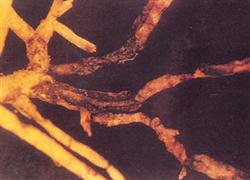
How to grow peonies? Prevention and control methods for peony root rot
How to prevent and control peony root rot? Where should prevention and control begin? We ask fellow gardeners for guidance. Causes of peony root rot: The peony has deep-growing fleshy roots and fears prolonged waterlogging. It should not be watered too much at ordinary times and should be kept suitably on the dry side. Peonies prefer high, dry spots with well-drained soil. Fleshy taproots and lateral roots. The primary roots are initially white...
-
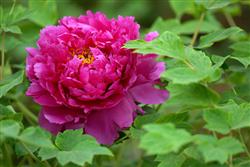
How to manage the flowering period of peonies? A detailed guide to planting and care methods
How to manage the flowering period of peonies? What should be noted during the flowering period of peonies? Please allow us to introduce the management of the peony flowering period, which can be carried out by referring to the following methods. Fertilizing during the peony flowering period: the first is pre-flowering fertilizer, applied in early October. This fertilization greatly promotes the flowering of peonies in that year, that is, it promotes flowering...
条件筛选