How to prevent and control southern blight in tree peonies? Control methods growers must see
How to prevent and control southern blight in tree peonies? What harm does southern blight in tree peonies cause? Please provide an introduction to the harm of southern blight in tree peonies: Click to open the link. Southern blight in tree peonies mainly occurs at the stem base near the ground of the seedlings. When it first occurs, the cortex of the diseased part turns brown, gradually spreads to the surrounding area, and produces white silky...
 How to prevent and control southern blight in tree peonies? What harm does southern blight in tree peonies cause? Please provide an introduction
The harm of southern blight in tree peonies:
Click to open the link Southern blight in tree peonies mainly occurs at the stem base near the ground of the seedlings.
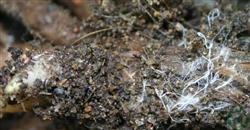
When it first occurs, the cortex of the diseased part turns brown, gradually spreads to the surrounding area, and produces white silky mycelium at the diseased part. The mycelium spreads in a fan shape and reaches the nearby soil surface. Later, rapeseed-shaped tea-brown sclerotia form on the surface of the stem base of the diseased seedlings or on the mycelial layer on the soil surface. After the seedlings are infected, the cortex of the stem base and roots rots, and the transport of water and nutrients in the plant is cut off. The leaves turn yellow and wither, and the whole plant dies.
Control methods for southern blight in tree peonies:
1. Select disease-free seedlings. When transporting seedlings, inspect them strictly, remove diseased seedlings, and disinfect healthy seedlings. For the disinfectant, use 70% thiophanate-methyl or carbendazim at 800-1000 times dilution, 2% limewater, or 0.5% copper sulfate solution and soak for 10-30 minutes.
2. To prevent disease during the seedling stage, treat the soil with 70% quintozene powder, using 250 grams per 67 sq m, adding 5 kg of dry fine soil, mixing evenly, then spreading it in the sowing or cutting furrows before sowing or cutting. After planting, spray with Xin Gao Zhi Mo to isolate pests and diseases and protect the healthy growth of the plants.
3. In spring and autumn, remove soil and expose the roots. After symptoms appear on the aboveground part of the tree, remove the soil near the main roots at the base of the trunk and expose them to the sun, which can inhibit the development of the disease. Root exposure can be carried out from early spring in March until leaf fall in autumn. Before the rainy season arrives, the tree hole can be filled level to prevent adverse effects. When exposing the roots, also note that soil ridges should be built around the hole to prevent water from flowing into the hole.
4. In the early stage of disease onset, 70% quintozene powder can be broadcast on the soil surface in the nursery, also using 250 grams per 67 sq m. After application, loosen the soil so that the powder is evenly mixed into the soil; alternatively, use 50% carbendazim wettable powder at 500-800 times dilution, or 50% thiophanate wettable powder at 500 times dilution, or 1% copper sulfate solution to irrigate the seedling roots, and at the same time spray Xin Gao Zhi Mo, which can control the spread of the disease.
5. Treatment of diseased trees. After determining that the roots are diseased based on symptoms on the aboveground part of the tree, remove the soil at the base of the trunk to find the affected area. After confirming it is southern blight, use a knife to thoroughly scrape off the diseased spots on the root crown, disinfect the wound with 1% sulfuric acid solution, then apply a wound healing and antiseptic membrane externally to prevent infection by rot-causing pathogens and protect the wound tissue for healing, then cover with new soil. Also dig isolation trenches around the diseased plants to block off the diseased area.
Click for moreTree peony planting techniques
Click for moreFlower planting techniques
Related Articles
- Will Phalaenopsis Leaves Turn Yellow When Underwatered? How to Tell If It Needs Watering
- How to grow a hydroponic cactus ball? Can it bloom? Explained in one article
- 5 Easy-to-Wilt, Hard-to-Care-for Green Plants and Their Planting and Care Methods
- Will ivy survive after it dries out and withers?
- Detailed Explanation of Cherry Tree Cultivation Techniques and Management Methods
- Reasons Why Rain Lilies Do Not Bloom and How to Fix Them
- What to do when jade plant leaves turn yellow or white? Causes and solutions
- What to Do When the Main Stem of a Lily Sprouts? Teach You the Correct Way to Handle It