What Is Rose Powdery Mildew? A Detailed Guide to Effective Treatment Methods
What is rose powdery mildew? How is it cured? Please explain. Rose powdery mildew is caused by a fungal pathogen infecting the leaves, flowers, and tender shoots of roses. In early spring, the leaves that unfold from infected buds are covered on both the upper and lower surfaces with a white powdery substance. The leaves shrivel, curl backward, and thicken, then gradually dry up and die, becoming the primary source of infection. During the growing season, leaves...
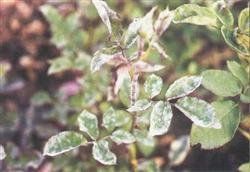 What is rose powdery mildew? How is it cured? Please explain
Rose powdery mildew is caused by a fungal pathogen infecting the leaves, flowers, and tender shoots of roses. In early spring, the leaves that unfold from infected buds are covered on both the upper and lower surfaces with a white powdery substance. The leaves shrivel, curl backward, and thicken, then gradually dry up and die, becoming the primary source of infection. When leaves are infected during the growing season, small white powdery spots appear first, then gradually expand into round or irregularly shaped powdery patches; in severe cases, the powdery patches join together into continuous sheets. When tender shoots and leaf stalks are affected, the lesions enlarge slightly and the internodes shorten. Flower buds become covered with a layer of white powder, shrivel, and dry up. Buds with mild infection open into deformed flowers.
For rose powdery mildew, you can improve ventilation and light penetration, increase the application of phosphorus and potassium fertilizers, and apply nitrogen fertilizer appropriately. During the dormant period, spray a 5-degree Baume lime sulfur mixture. When the disease occurs, spray with a 25% triadimefon wettable powder solution diluted 1500-2000 times for control.
Click to get more rose growing techniques
Click to get more flower growing techniques