-
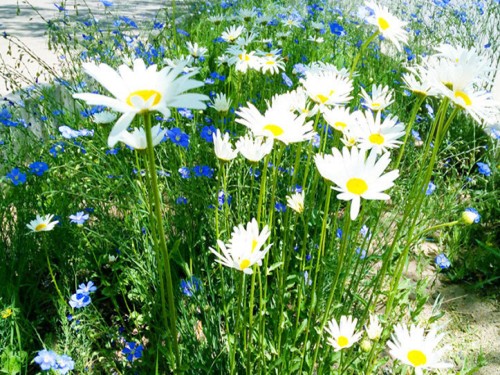
A Detailed Guide to the Planting Methods and Care Techniques of the Shasta Daisy
Under the trees along both sides of the road, small flowers of the Asteraceae family are blooming everywhere, and the line "wild flowers bloom and give off a subtle fragrance" automatically pops into my head (I can still remember it, so it seems those high school Chinese classes were not wasted O(_)O~). Today's star is the Shasta daisy. The Shasta daisy has a long flowering period, roughly from April to June.
-
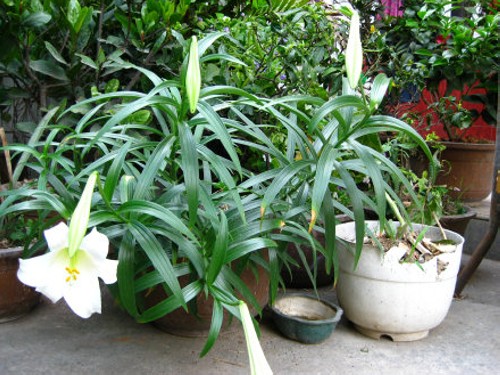
Detailed Explanation of Lilium candidum (Madonna Lily) Planting Techniques and Methods
Lilium candidum is a beautiful flower with extremely fragrant blooms that contain aromatic oil and can be used as a fragrance. It is also an elegant cut flower with a captivating light fragrance, suitable for flower beds, flower borders, garden features, or potted display, and can also be used in floral arrangements for decoration. In Europe and America, Lilium candidum is mainly used as a cut flower and as a potted flower for Easter.
-
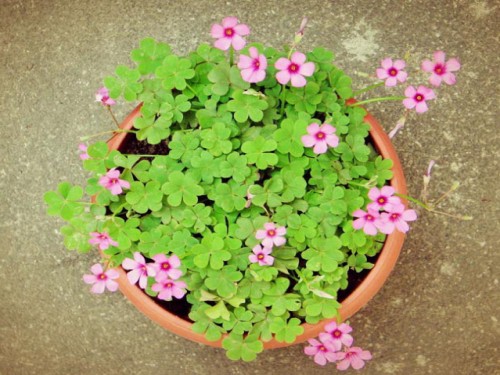
How to plant red wood sorrel? A detailed guide to growing methods
On campus in April, in every corner, especially around the main building, everyone must have noticed the patches of red flowers appearing on the lawns or the mounds of soil by the walls. They break through the soil in the April sunlight, with small red heads held up on fresh green leaves. It is the star of today's feature, red wood sorrel. Yes
-
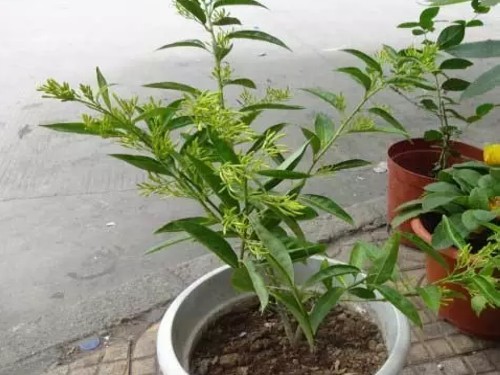
How to grow potted night-blooming jasmine? These methods you need to master
Night-blooming jasmine, also called night-fragrant flower, night-fragrant tree, night lilac, tuberose, night orchid fragrance and so on, is a flowering ornamental plant native to the tropical regions of the Americas. Its branchlets are slender and weak, hairy, with milky sap. Its flowers are mostly yellow-green, with a fresh fragrance that becomes even stronger at night. It is mostly grown as a potted ornamental plant, but it is not suitable for placing indoors, as its floral fragrance makes breathing difficult
-
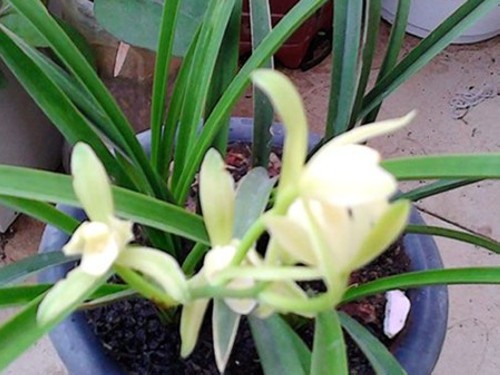
How to Grow Vanda Orchids? A Complete Guide to Planting Methods
Vanda orchids are a major group among tropical orchids and one of the toughest members of the tropical orchid family. Its scientific name Vanda originally comes from Sanskrit in the India region, meaning an orchid that hangs on a tree trunk. Some also believe that the word itself simply means orchid in India. Either way, from this genus name it can be inferred
-
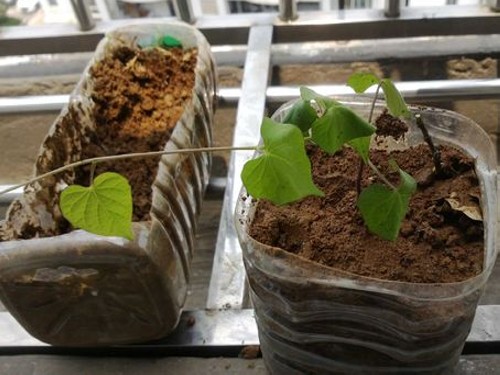
How to plant potted hollyhock seeds? Detailed planting methods
Hollyhock belongs to the Malvaceae family, a perennial large herbaceous flower. Planted once, it can bloom for years in succession, and it is a good source for arranging flower borders in courtyards, along roadsides, and in open areas. The stems are upright and tall; if not pruned, the plant can reach 2 m in height, with alternate, heart-shaped leaves. Colors include purple, pink, red, white, etc., single or double. Hollyhock likes light and does not tolerate shade.
-
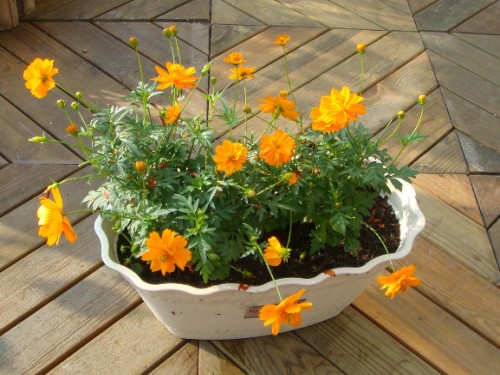
How to grow sulfur cosmos? Planting methods and care tips
Sulfur cosmos (scientific name Cosmos sulphureus) is an annual herbaceous plant in the genus Cosmos of the family Asteraceae. Native to Mexico, it is also known as yellow cosmos, yellow garden cosmos, yellow-flowered cosmos, sulfur cosmos, sulphur cosmos, and yellow hibiscus. Sulfur cosmos has large flowers and brilliant colors, but its plant form is not very uniform
-
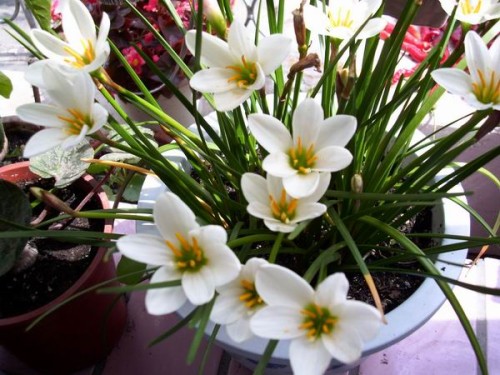
What are the planting methods for potted rain lilies (Zephyranthes candida)?
Anyone who has seen the rain lily, if they have any spirit at all, will be moved by its bearing. Though it grows low, it has a backbone and purity that rivals plum blossoms in snow. The pride of the rain lily lies not in gnarled branches, nor in flowers that defy ice and snow, nor even in a rich fragrance, nor even a subtle one.
-
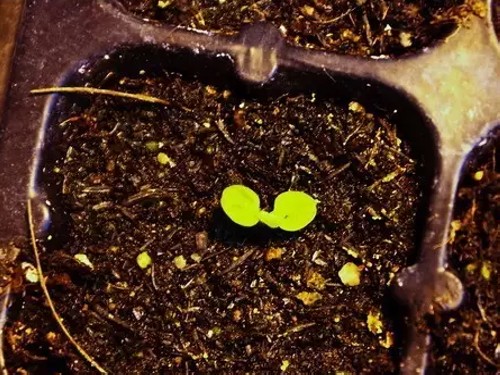
A Detailed Guide to the Cultivation Techniques and Care Methods for Florist's Cineraria
Florist's cineraria (Pericallis hybrida) is a perennial herbaceous plant in the Asteraceae family. Its flowering period runs from November to May of the following year. The flower heads are capitula, mostly clustered, with colors including red, pink, white-blue, and purple, as well as various ring patterns or spots, and there are both single-petaled and double-petaled varieties. The leaves of florist's cineraria are thick and bright green, setting off the colorful blossoms, making it appear magnificent and radiant
-
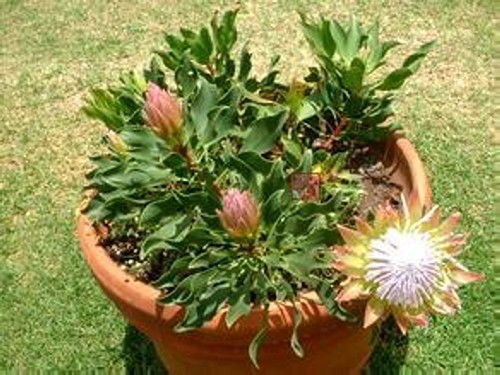
Detailed Explanation of Protea Planting Techniques and Care Management Methods
Protea flowers are large, unusual in shape, magnificently colorful and elegantly noble, with strong ornamental value as well as medicinal and edible value. Different climatic conditions and geographical environments lead to great variations in protea leaves, flower shapes, flower colors and flowering times. In commercial cultivation, even under the same growing conditions
条件筛选