How to Grow Cornflower? A Detailed Guide to Practical Cultivation Methods
Cornflower is a herbaceous plant of the Asteraceae family, with straight stems that are entirely white, branching from the middle section, leaves growing opposite each other in a lanceolate shape, basal leaves generally pinnately lobed, stem leaves with thin spider-silk hairs, and the lower part with fine down. The top inflorescence is paniculate or corymbose, with flower colors including blue, pale red, white, pale purple, and more; purple and blue are relatively rare and give off a faint delicate fragrance. This plant is mainly abundant in Europe, especially in the German countryside, where it can be seen everywhere and is regarded as the national flower.
Some young girls place picked cornflowers in their undergarments to preserve their original shape; this situation means she is about to meet her partner, and the person blessed by this flower will encounter many benefactors in life, such as close friends and good teachers. The flower language here is "encounter."
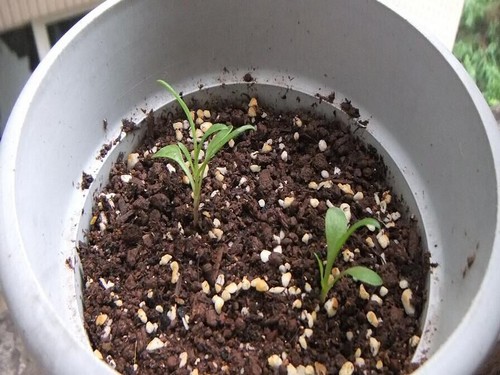
Key points for propagation and cultivation: Sowing can be done in both spring and autumn, with autumn sowing being preferable. Sow in mid-to-late September in a prepared seedbed, cover with soil just until the seeds are no longer visible, press down lightly, cover with grass, water thoroughly, and keep the soil constantly moist; remove the grass cover after germination. When the seedlings have 6-7 small leaves, they can be transplanted or set in place, with a plant spacing of about 30 cm. After the plants have established, apply diluted decomposed human manure liquid at a 5-fold water ratio once every 10 days or half a month, and stop fertilizing in March of the following year to wait for blooming. If grown in pots, the potting soil should be loose and fertile; it is best to make a mixed soil from garden soil, leaf mold, and plant ash. When the seedlings have 6-7 leaves, carry out the first transplanting; move the shorter seedlings into cylindrical pots. Because cornflower has a taproot system, larger seedlings do not tolerate transplanting. In winter, they can be continuously buried in soil to overwinter, then taken out in early March. Fertilize frequently, and stop fertilizing when flower buds appear.
Cultivation site: Because cornflower is native to European fields, it is somewhat cold-tolerant, and it prefers cool places with ample sunlight.
Seedling raising: Choose loose, fertile soil to make the bed, and cover with about 0.2 cm of soil. Cultivation: Transplant when the seedlings have developed 6-7 true leaves, planting one plant per 13-17 cm pot for container growing. After the seedlings have established following setting out, pinch the tips once to encourage more branching and more flowers; conversely, if there is excessive branching, some lateral buds should be removed when necessary to obtain larger flowers. Because of its taproot nature, direct sowing is preferable; sow in autumn in the open field and cover to overwinter, and it will bloom in early summer. If overwintered in a cold frame, it can bloom in late spring. For spring sowing, sow as early as possible. It blooms in June.
Soil: It prefers loose, fertile, well-drained sandy loam. The growing soil should be made as well-drained and well-aerated as possible; if the soil is rather clayey, mix in 30%-40% tree fern fiber or perlite to improve it. For soil texture, choose fertile sandy soil that is loose and well-drained. The growing soil should preferably maintain good ventilation and facilitate drainage; if the soil is too clayey, mix in 30%-40% tree fern fiber or perlite.
Watering: In principle, watering once a day is enough, but in drier summer weather, water once in the morning and once in the evening to keep the potting soil moist and lower the pot temperature, but avoid waterlogging. Generally, watering once a day is enough to meet its needs. Only in hot, dry summer weather should you water once in the morning and once in the evening to meet its water needs and cool the soil at the same time. Be careful not to water too much and cause accumulation in the pot.
Fertilizing: Cornflower likes plentiful fertilizer. During the growing period, apply a diluted three-element liquid fertilizer once a month. If the leaves are too lush, reduce the proportion of nitrogen fertilizer; before flowering, apply more phosphorus and potassium fertilizer so you can get larger flowers with beautiful colors. Many plants need fertile soil, and cornflower is no exception. During the growing period, apply a diluted three-element liquid fertilizer about once a month on average. If the leaves grow too vigorously, appropriately reduce the nitrogen fertilizer component. In the early flowering stage, phosphorus and potassium fertilizer can be applied to promote flower growth.
Flowering period management: Cornflower naturally produces lateral branches; when there are many lateral branches, the flowers are smaller. When necessary, remove some lateral buds and keep only the smaller branches, so you can obtain larger flowers. Cornflower is a long-day plant. In winter, when sunshine duration is shorter, using a plant light at night to supplement lighting can make it bloom earlier. This plant grows lateral branches, and too many are unfavorable for flower growth, so unnecessary lateral buds can be appropriately removed while retaining some small branches, so that the flowers grow large and vigorous. Because cornflower needs long-term light and winter sunlight is insufficient, a plant light can be used to make up for the lack of sunlight and promote flowering.
Cornflower likes ample sunlight and a cool climate, avoids summer heat, and prefers fertile, loose soil. Because of its taproot nature, direct sowing is preferable. For earlier flowering with autumn sowing, it can overwinter in a cold frame and bloom in late spring. Because cornflower does not tolerate transplanting, it must be transplanted with a soil ball, otherwise it will not recover easily. After the plants have established, apply diluted decomposed human manure liquid at a 5-fold water ratio once every 10 days or half a month, and stop fertilizing in March of the following year to wait for blooming.
If grown in pots, the potting soil should be loose and fertile; it is best to use a mixed soil of garden soil, leaf mold, and plant ash. When the seedlings have 6-7 leaves, carry out the first transplanting; as they grow afterward, move them at least into three cylindrical pots, because cornflower has a taproot system and larger seedlings do not tolerate transplanting. In winter, they can be continuously buried in soil to overwinter, then taken out in early March. Fertilize frequently, and stop fertilizing when flower buds appear.
It has strong cold resistance and can be planted in the open field in East China; in North China it must be covered to overwinter. It likes fertile and loose soil; it likes ample sunlight; it can self-sow; it has strong adaptability and is easy to cultivate. When cultivated for cut flowers, greenhouses are usually used to force flowering: sow in August, set out in September, and flowers can be produced in February of the following year. In warm areas within Shanhaiguan, sowing is generally done in August-September, overwintered in the open field with cover, set out in early spring of the following year, and it blooms in early summer. In Northeast China, spring sowing is done in greenhouses. Because cornflower has a taproot, with very few lateral roots, transplanting must be done when the seedlings are small and with soil; larger seedlings are not easy to survive, so direct sowing in spring is often used. Cornflower can also reproduce by self-sowing. In addition, cornflower likes dense planting; otherwise, it actually grows poorly.
Cultivation precautions:
Cornflower is vigorous, relatively cold-tolerant, likes sunlight, and requires fertile, loose, well-drained soil. It is generally direct-sown in a seedbed in September. South of Central China, it can overwinter in the open field without cold protection in winter, and is transplanted in November or early March of the following year. In North China, autumn-sown seedlings are transplanted once when they grow 2-3 true leaves, moved into a sunny cold frame before winter, covered with cold protection materials in winter, and set out in the open field in early spring of the following year. Base fertilizer should be applied before setting out. Because cornflower has a taproot system and does not tolerate transplanting, it must be transplanted with a relatively large soil ball.
Cornflower stems are slender and weak and tend to lodge, so the planting distance should not be too dense. Prevent overly dense growth and poor ventilation that cause lodging. During the seedling stage, pinch the growing tips to encourage more branching and dwarf the plant, so there will be more flowers and the plant shape will also be graceful. During the growing period, apply liquid fertilizer once every 20 days, but note that too much nitrogen fertilizer should not be applied; appropriately apply more phosphorus and potassium fertilizer to make the stems firm and the flower colors vivid. At the same time, watering should be moderate and not excessive. During the rainy season, be sure to drain promptly, otherwise it will cause root rot and affect the normal growth of the plant.