-
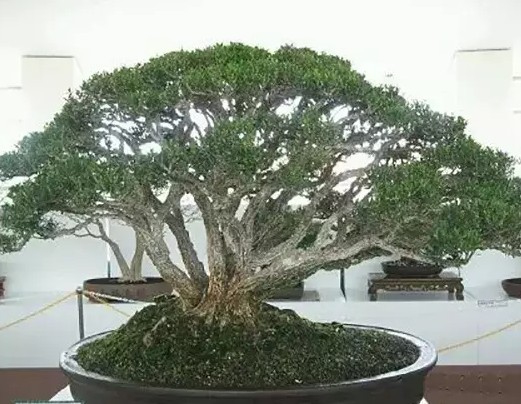
Winter Management Methods and Care Points for Stump Bonsai
As the weather turns colder, many flowering plants and bonsai are gradually being moved indoors and entering the winter management stage. We have seen quite a few articles on the spring, summer and autumn management of stump bonsai, but the winter management of stump bonsai is often overlooked, and often by the following spring, when all things revive
-
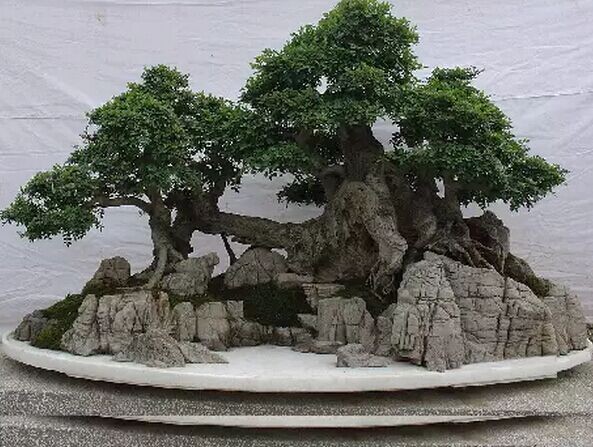
How to maintain and manage landscape penjing (bonsai)? A complete analysis of methods and key points
Penjing is an artistic treasure developed in China on the basis of potted plants and stone appreciation, using plants, rocks and other materials, employing the artistic modeling technique of "shrinking a dragon to an inch, a thousand miles within reach," to present natural landscapes in a pot and express the creator's thoughts and feelings. It requires harmony among the scenery, pot, stand, inscriptions and other aspects.
-
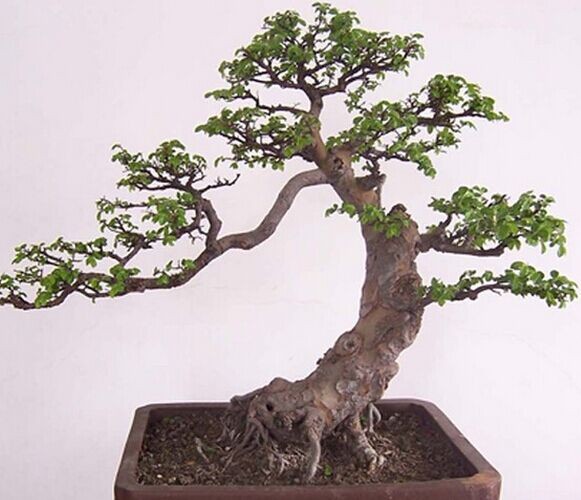
Detailed Explanation of the Layout Methods and Techniques of Tree-Stump Bonsai
Tree-stump bonsai values "clear, strange, ancient, and grotesque," with the aged and picturesque being regarded as the finest. Whether a tree stump appears aged or young does not depend entirely on the age of the tree; as long as we pay attention to the characteristics of ancient and famous trees and fine bonsai works when admiring them, and seek out the patterns of agedness and youthfulness, it is entirely possible to use artificial methods
-
Detailed Explanation of the Methods and Techniques for Making Water-and-Land Penjing
Water-and-land penjing is a type of penjing created using stone, soil, water and plants as materials. It can display natural scenery. The making of water-and-land penjing generally falls into three steps: 1. Water-and-land: use cement and glue to fix the already conceived and processed rocks in the pot, separating the water surface from the dry land, and it must not seep water. The layout is free
-
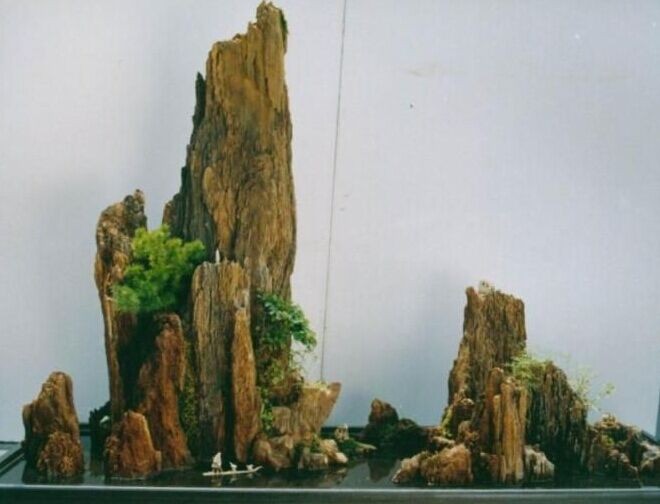
A Detailed Explanation of Methods for Conceiving the Artistic Concept in Landscape Bonsai Creation
Landscape bonsai is a group of scenery displayed by mountains, stones, grass, and trees arranged and combined in a certain way within a pot. This kind of combination follows a certain law of mountain momentum or structural composition. The creator's conception, or the construction of a thought-provoking artistic conception, is precisely a very important part of bonsai creation.
-
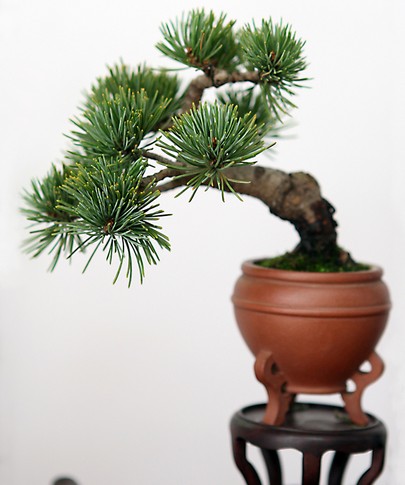
Material selection methods and techniques for making miniature bonsai
Miniature and small bonsai belong to the small-size category among bonsai artworks, with miniature bonsai being the smallest, generally under 10 cm, known as palm-top bonsai; small bonsai are 11 cm to 40 cm (Note: in this book, the first dimension given for a work is height, and the second is width). Precisely because they are known for being tiny, viewing the large within the small, and being small and exquisite
-
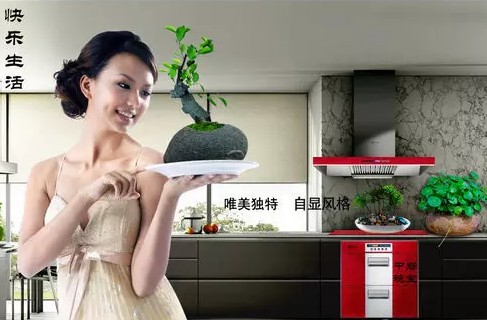
Detailed Explanation of Maintenance and Management Methods for Miniature and Small Bonsai
Although miniature and small bonsai are relatively easy to tend, they are not easy to cultivate. The maintenance of miniature bonsai especially requires careful and meticulous attention. The potting soil should be kept moist at all times, following the principle of "dry-wet alternation" (water when dry, let dry between waterings), or water can be applied by the pot-soaking method. In midsummer, place them in a shaded area and use a fine-nozzle spray bottle to mist the plants, maintaining a humid environment. During the growing season, apply light fertilizer frequently.
-

How to Grow a Chinese Arborvitae Bonsai? A Detailed Guide to Planting Methods
There are many ways to enjoy Chinese arborvitae (Platycladus orientalis); some enjoy its unique fragrance, some enjoy its ethereal, immortal-bone demeanor, some enjoy its millennium-aged small decorative pieces, and others enjoy its culturally evocative carvings, while bonsai cultivation is the highest level of enjoying Chinese arborvitae. A tree form where withering and flourishing complement each other, life and death coexist, and twists and turns transform
-
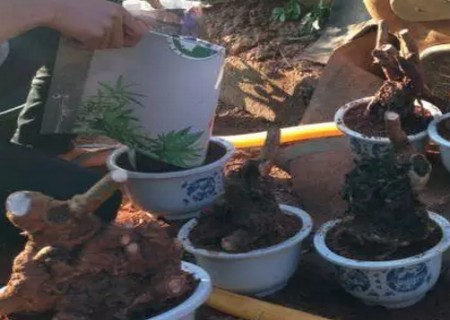
Detailed Explanation of the Transplanting Methods and Operation Steps for Collected Bonsai Deciduous Trees
Collected trees, that is, wild tree stumps dug from the mountains, used as bonsai material. Generally, such material possesses a strange, perilous, quaint and elegant effect that is very difficult to achieve by artificial means. Perhaps your firewood is someone else's bonsai material. Based on my more than ten years of understanding of bonsai stump transplanting
-
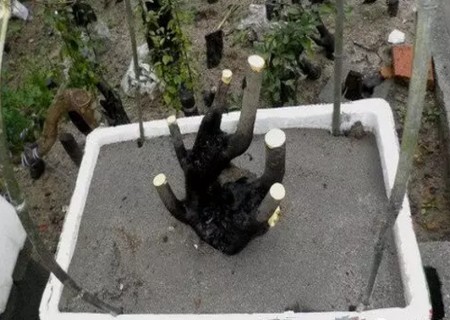
Planting Methods and Technical Key Points for Collected Bonsai Stumps
Opinions have always differed on determining the transplanting time for bonsai stump material. Based on my own experience in planting stumps, I believe it generally varies with time and place, and should not be treated rigidly. In our southwestern region, the transplanting time should generally be chosen when there is no rain, snow, or frosty weather. Deciduous tree species and pines and cypresses can be transplanted from early winter to before Jingzhe (Awakening of Insects) the following year.
条件筛选