-
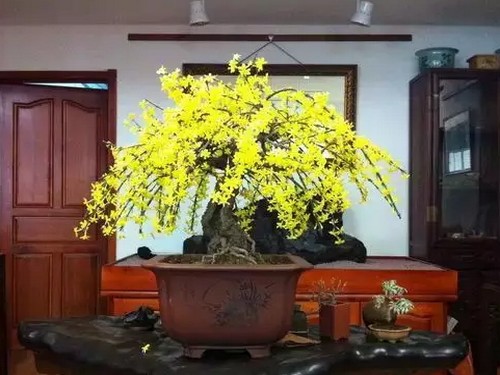
Sourcing Methods and Cultivation Techniques for Winter Jasmine Bonsai
Winter jasmine (Jasminum nudiflorum) is a fine flower of the new spring that blooms early before spring arrives. It grows by courtyard walls or in roadside flower beds and is not conspicuous, but when the new spring begins, it opens its arms to the embrace of spring, blooming first to welcome the splendid spring light. Yet it is not self-important, not proud, and does not show off as a hero of welcoming spring, but instead adorns the spring scenery together with all the other flowers
-
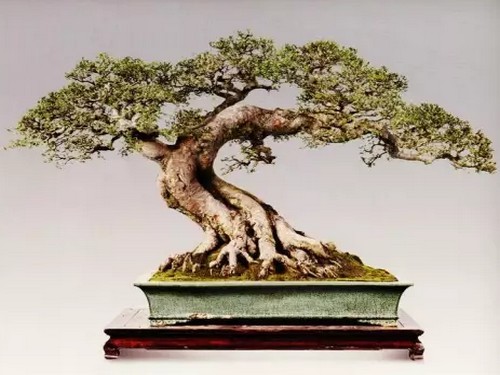
Sourcing Methods and Cultivation Techniques for Chinese Hackberry Bonsai
The Chinese hackberry (Celtis sinensis) has an elegantly antique and unrestrained posture, with rough, mottled bark that does not crack, a tall and straight trunk, and gracefully spreading branches. In spring, new leaves first emerge, covering the branches in tender green; in autumn, the foliage turns deep yellow, making it highly ornamental. In winter, when the leaves have almost entirely fallen, it can be appreciated as a bare tree. Taking its old stumps, with exposed roots and bent trunks, gnarled and antique, green leaves trailing along the branches, layered and towering in verdant beauty, it is richly evocative of wild mountain forests.
-
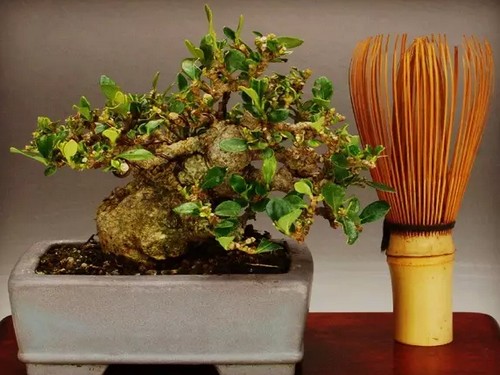
Sourcing and Cultivation Methods for Gardenia Bonsai
The gardenia has bright green leaves, stays evergreen all year round, bears large pure white flowers, and is richly fragrant. It also has a certain tolerance for shade and resistance to toxic gases, so it is an excellent material for greening, beautifying and scenting a space. It can be planted in massed clumps or placed at the edge of a wood, in front of a courtyard, in a courtyard corner, or beside a path, and it is also very suitable for growing as a flowering hedge
-
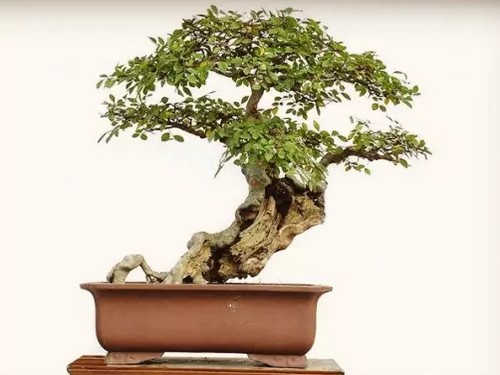
Sourcing Methods and Cultivation Techniques for Chinese Elm Bonsai
Chinese elm (Ulmus parvifolia) is also known as small-leaved elm, and it is not the same as the common elm. Its form is rather elegant, and its most striking feature is the mottled bark and trunk. Its leaves change color in autumn. It is a deciduous tree, very easy to grow casually, but not really suitable for beginners! Its horticultural varieties are prone to pests and diseases, but that does not stop people from liking it.
-

What soil is suitable for pine bonsai? Detailed soil mixing methods
Pine bonsai often display a masculine beauty, and wherever they are, people are often struck by their captivating charm; at the same time, bonsai pines can also give people a sense of optimism and upward motivation in adversity, so an excellent pine bonsai work often has extremely high artistic ornamental value
-
What soil is best for Vitex bonsai? Detailed soil mixing methods
Growing bonsai well requires meeting quite a few conditions. Besides doing the daily maintenance and management work such as lighting, watering and fertilizing, pruning, shaping, and repotting, we also need to get the foundational work right. That is, the use of soil must be scientific and reasonable, and must suit the growth of the bonsai tree.
-
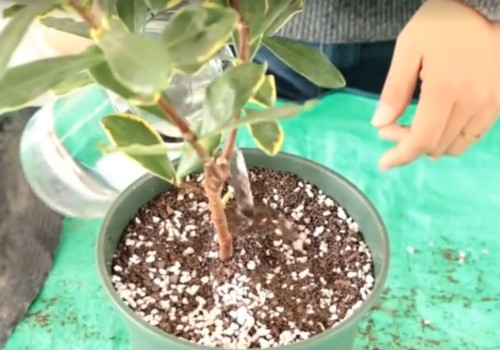
What soil is best for planting Daphne odora? Detailed soil mixing methods
Soil is an indispensable basic living material for potted flowering plants, and whether the potting soil is well mixed and of good quality will directly have an important impact on the growth of flowering plants. And soil mixing cannot be done in the same fixed way step by step, because different flowering plants have different growth habits
-
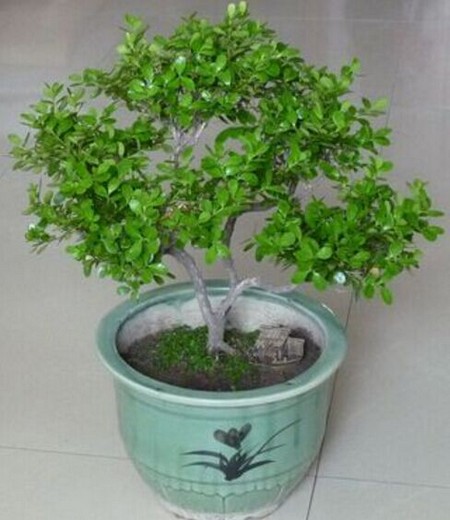
How to grow a boxwood bonsai? A step-by-step guide to care methods
Boxwood bonsai, because of its slow growth and its lush, verdant, vigorous and sturdy appearance all year round, among bonsai of many tree species, although it lacks the excessive luxury and flamboyance of high-end flowers and plants, conquers viewers with its steady, solid style and masculine character, making it highly favored by the broad community of bonsai enthusiasts, who regard it as a premium species among bonsai trees.
-
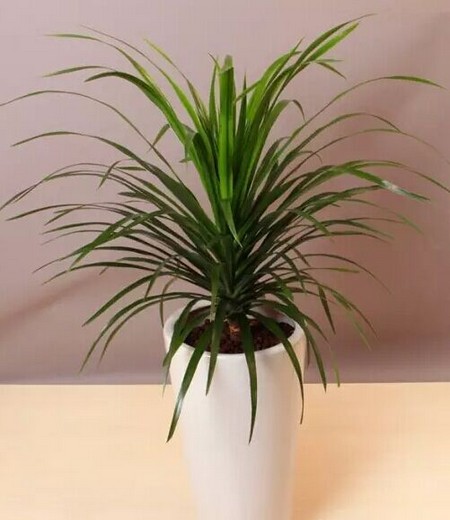
How to Grow Dracaena? A Detailed Guide to Cultivation Methods
The Dracaena has elegant foliage and is an excellent choice for all kinds of indoor displays. Before bringing it indoors, if the humidity can be appropriately lowered to help it adapt to a drier environment, and after bringing it indoors the leaves are misted frequently, it can be enjoyed indoors for a long time without the leaf tips drying out. Dracaena care is mainly divided into two stages: cultivation and subsequent maintenance.
-
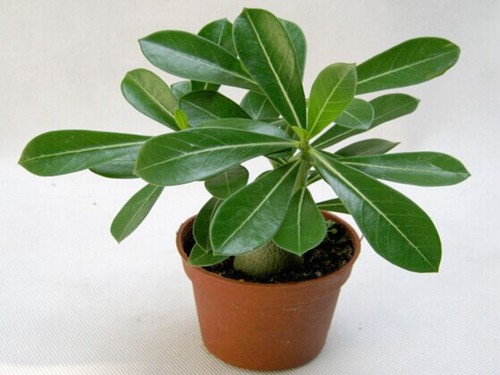
How to grow oleander bonsai? Practical care methods shared
Oleander, also known as willow-leaf peach and half-year red, is an evergreen large shrub of the genus Nerium in the dogbane family (Apocynaceae). Its flowers are large, the inflorescences are dense, and they are deep red and double-petaled, giving it high ornamental value. It is native to India, Iran and Afghanistan, and has a long history of cultivation in China, spreading across urban and rural areas in both the north and the south. The leaves of oleander resemble bamboo
条件筛选