-
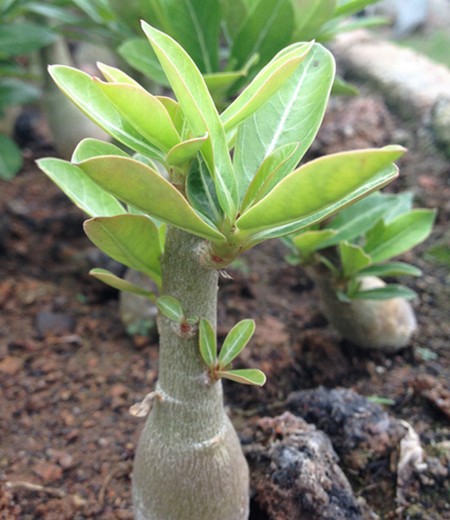
How to grow oleander bonsai? Cultivation methods and precautions
Oleander is also called false bamboo-peach, because its leaves resemble bamboo and its flowers resemble peach blossoms, yet it is neither bamboo nor peach, hence the name; some also call it willow-leaf peach. It likes light, prefers warmth and tolerates drought. Planted in the open air, it grows well with hardly any management. Once established, it takes on the role of an environmental guard for its surroundings
-
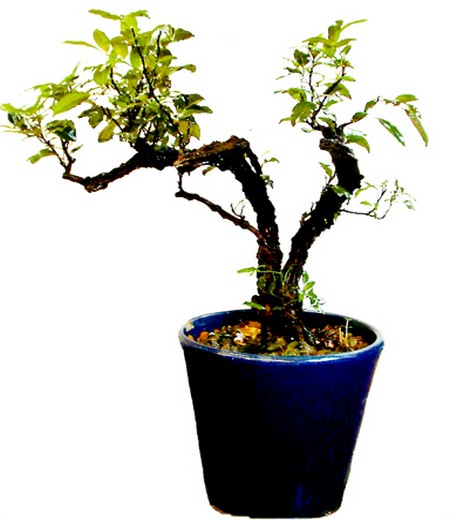
How to grow a Shinyleaf Prickly Ash (Zanthoxylum nitidum) bonsai? Detailed care methods
Shinyleaf Prickly Ash toothpaste is all too familiar to Chinese people; its main medicinal ingredient is extracted from the leaves of Zanthoxylum nitidum and has effects such as clearing heat and detoxifying. In fact, Zanthoxylum nitidum is not only an important raw material for medicine, but also an ideal species for making bonsai. After the new stump is potted, cover the stump with a transparent plastic bag or film
-
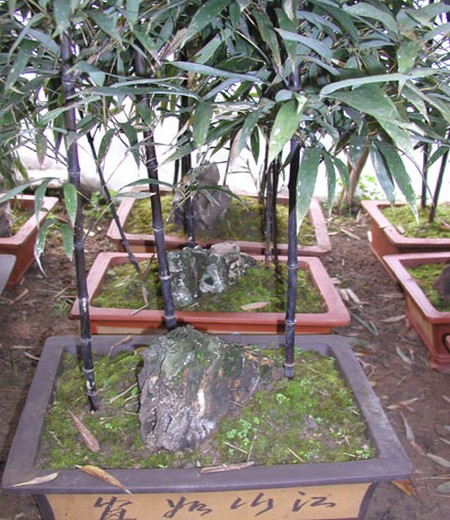
Care Methods and Daily Management Tips for Purple Bamboo Bonsai
Purple bamboo has a graceful, swaying posture, with emerald leaves and ink-dark culms. Placed in front of a white wall, it has the charm of an ink wash painting and is deeply loved by scholars and refined gentlemen. It is suitable for planting by a window or in a sunny corner, adding elegance to the room. The bamboo material is relatively tough, making it suitable for fishing rods, walking sticks and other handicrafts, as well as musical instruments such as xiao flutes, di flutes and huqin fiddles. The shoots are edible. It has strong adaptability to light.
-
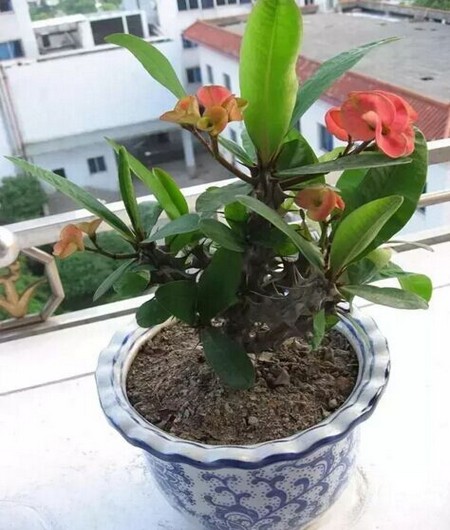
How to grow a crown of thorns bonsai? Detailed guide to care methods and tips
Crown of thorns (Euphorbia milii), also known by the aliases fanzai ci, fanzai tree, tiger thorn, qilin thorn, qilin flower, iron begonia and tiger thorn plum, is a spiny, upright or slightly climbing small shrub. It is vigorous and thrives in a warm, dry climate, with an optimum growing humidity of 18-25°C. If the indoor temperature in winter can be kept above 15°C, it can bloom continuously throughout the winter
-
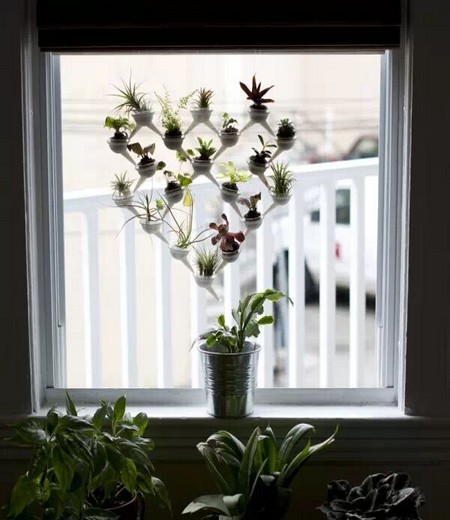
How to grow air plants? Detailed guide to cultivation methods and precautions
Air plants are ornamental plants that grow in the air. They can be attached to dead wood, rocks, or placed on shells or in pots; they can grow as long as their roots do not sit in water. Many foreign interior design magazines feature air plants as indoor plants to accent the home, and they are very stylish. More and more people are growing air plants in large quantities
-
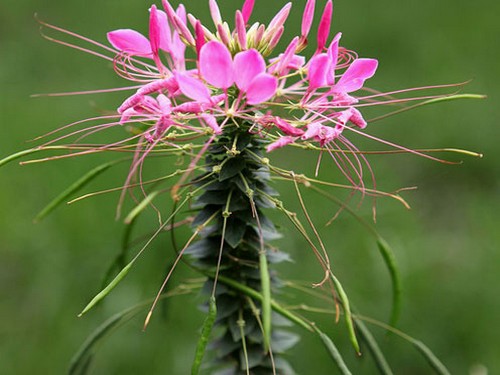
Potted Cleome Cultivation Methods and Care Tips
The cleome flower resembles a dancing butterfly, graceful and distinctive, suitable for large flower beds, flower borders and background planting. Potted plants can be enjoyed indoors and also used as cut flowers. It is also an excellent nectar plant and can be used medicinally. When the cleome flower opens, the petals slowly spread apart, and the long claws go from curved to popping out of the flower
-
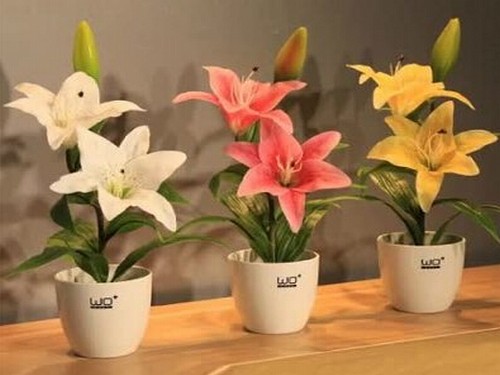
How to Grow Oriental Lilies? Detailed Guide to Growing Methods and Precautions
Oriental lilies have always been regarded as the queen of lilies, with petals free of any spots or blemishes, very beautiful to look at, and Oriental lilies have a faint delicate fragrance, making them very suitable for home environment decoration. Below, the editor will tell everyone about the growing methods and precautions for Oriental lilies and related content.
-
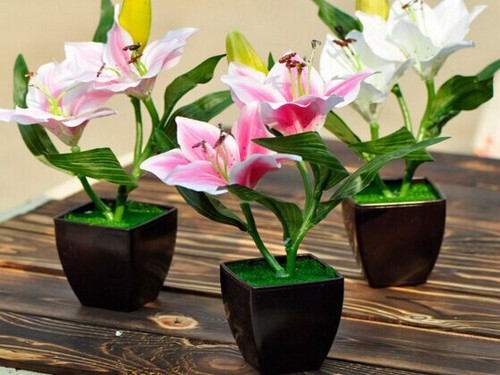
How to grow a lily bonsai? Detailed guide to daily care and management methods
Lilies are grown for ornamental purposes, and cut flowers exported from the Netherlands and Japan are especially beautiful. Lily bulbs are rich in starch, and some can even be eaten as vegetables. In China, edible lilies have a long history, and traditional Chinese medicine believes that lilies are mildly cool and neutral in nature, with effects of moistening the lungs and stopping coughs, clearing heat, and calming the mind and soothing the nerves
-
Diagnosis and Control Methods for Leaf Diseases of Potted Flowers
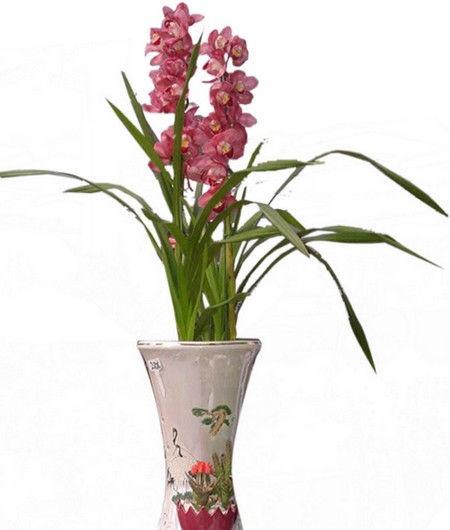
If potted plants are poorly managed, their leaves will turn yellow, scorch, and curl. The changes in the leaves can serve as a basis for analyzing problems in care work, and corresponding measures can be taken accordingly. Potted flower care: diagnosing diseases by looking at the leaves. 1. Young leaves turn yellow, or lower leaves curl and wither
-
How to grow a tamarisk bonsai? Master these care methods
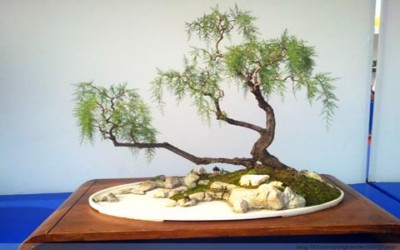
Tamarisk, also known as weeping tamarisk, West River willow, West Lake willow, red willow, shade willow; of the family Asclepiadaceae (milkweed family), tamarisk is a deciduous small tree. The young branches and leaves of tamarisk are used in Chinese herbal medicine. It is produced throughout China. Used fresh or dried. The tamarisk's branches are slender and soft, with a graceful, swaying form, and its flowers resemble those of the red knotweed, making it quite beautiful. It is often planted as an ornamental garden plant
条件筛选