-
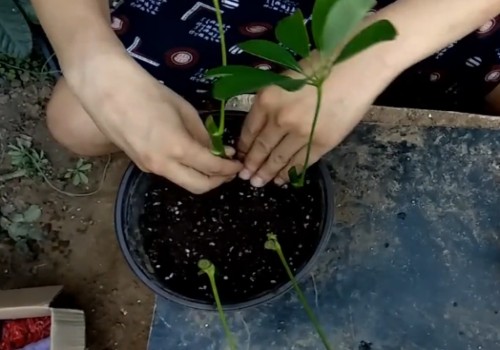
How to Propagate Schefflera via Cuttings? Detailed Cutting Methods and Steps
Schefflera is an evergreen plant with very high ornamental value, and it can be propagated via cuttings. As a houseplant, Schefflera is very well suited to being propagated into young plants through cuttings. However, when some gardening friends get Schefflera branches from a neighbor's home or through other channels
-
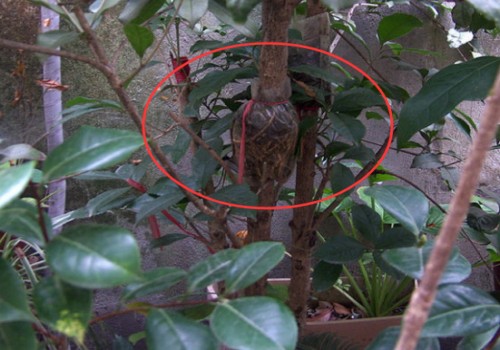
How to propagate plum blossoms by air layering? Detailed methods and steps
Plum blossoms not only come in many varieties but also vary in flower color, yet they usually all give off a pleasant delicate fragrance. Because plum blossoms are beautiful in bloom, have a striking fragrance, and have sturdy, vigorous branches, they are very suitable for growing as potted plants and can even be shaped into fine bonsai specimens for appreciation. For most plum blossom varieties
-
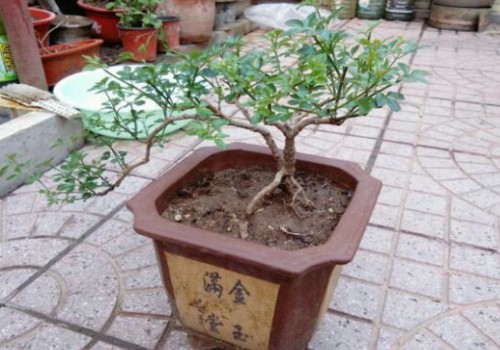
What are the common propagation methods for winter jasmine?
Winter jasmine (Jasminum nudiflorum) is a tree species that blooms in early spring. It not only adds a lot of festive atmosphere during the Spring Festival, but also has the function of heralding spring, so winter jasmine can also be called "spring-reporting flower." Because its blooms are brilliant and fragrant, with high ornamental value, it is very suitable for pot cultivation.
-
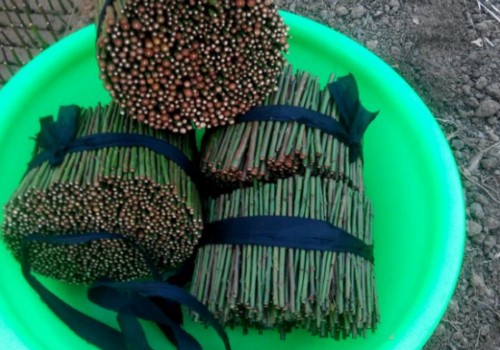
A Detailed Guide to Plum Blossom Cutting Propagation and Planting Methods
In the previous article, I talked about how plum blossom cuttings can survive. And as long as they are properly cared for and managed, you can also get fairly high-quality potted seedlings, and at the same time they can inherit the excellent variety characteristics of the mother plant. More importantly, cuttings are also quite convenient and easy to do, and the propagation efficiency is very high
-
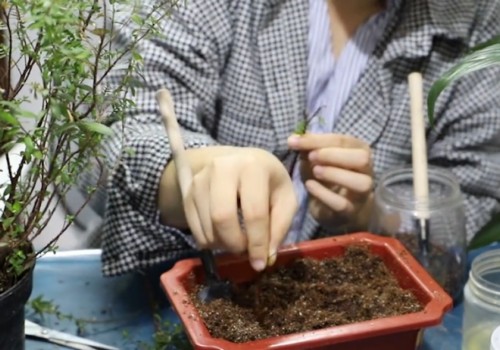
Detailed Guide to Gypsophila Cuttings Propagation Methods and Steps
Gypsophila (baby's breath) stays evergreen all year round, with delicate flowers and leaves and an exceptionally long blooming period. It brings a fresh, light feel while also being pleasing to the eye. Grown as a potted plant, its ornamental value is very high. It is often propagated by sowing, cuttings, division and other means. By comparison
-
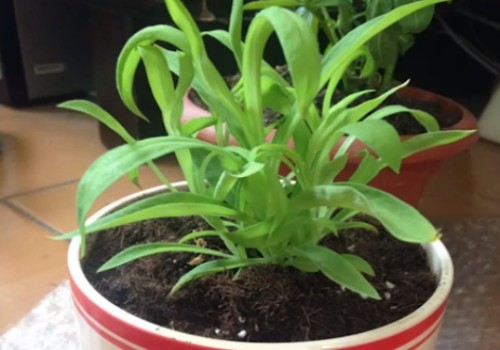
Sowing and Seedling Methods and Technical Key Points for Baby's Breath
The baby's breath (Gypsophila) flower plant not only has a pleasant name, but its blooms are also as beautiful as a sky full of stars. Baby's breath is very suitable for accenting home environments, and can also be grown as a household potted plant. Its ornamental value is very high, so it is deeply loved by gardeners.
-

How to Propagate Sago Palm? A Detailed Guide to Common Propagation Methods
Sago palm, also known as cycad, is an evergreen tree. Although it can bloom, it is rarely seen, and there is a folk saying that "a sago palm blooming is a once-in-a-millennium event." This shows that sago palm blooming is an extremely rare occurrence. Of course, if it does bloom, it also signifies good fortune and auspiciousness.
-
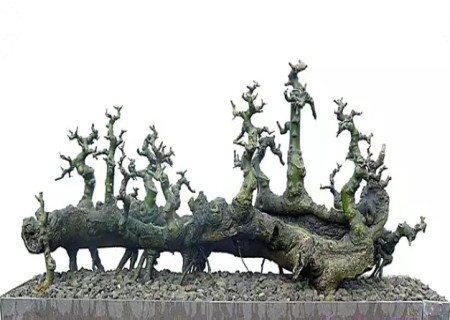
Lingnan Penjing Trunk Chopping and Branch Cultivation Techniques and Branch Direction Handling Methods
The creation of Lingnan penjing has always emphasized the direction of branches. Whether a perfect Lingnan penjing work can be created mainly depends on whether trunk chopping and branch cultivation are done properly, as is widely known. The direction of penjing plant branches is directly related to the overall layout of the work and its mutually reinforcing effect. Trunk chopping is a relative concept
-

Detailed Guide to Planting Methods for Landscape Bonsai Plants
When arranging trees on landscape bonsai, the tree species and ecological styling should be chosen according to the desired artistic conception. Commonly used tree species for planting include five-needle pine, small-leaf podocarpus, serissa, boxleaf euonymus, small-leaf elm, Japanese bush cherry, small-leaf privet, and others, while herbaceous plants include asparagus fern, Selaginella uncinata, cattail grass, maidenhair fern, and brake fern.
-
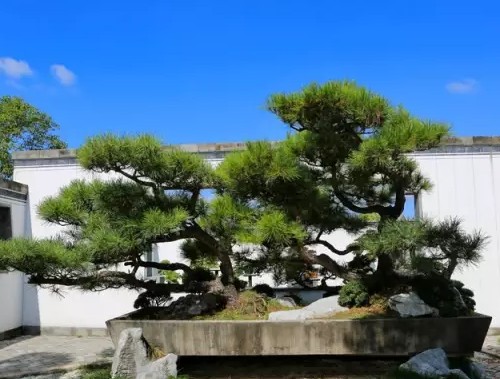
Detailed Explanation of Huizhou-Style Tree Stump Bonsai Shaping Methods
The timing for shaping tree stump bonsai varies depending on the plant species. Generally, spring and autumn are the best seasons, because in spring plants begin to sprout, the branches are relatively soft, and deciduous plants have not yet grown leaves, making shaping operations easier; in autumn, plants have completed their growth cycle, and deciduous plants have already shed their leaves and are preparing for dormancy, which is equally suitable for shaping.
条件筛选