-
The Best Time and Methods for Grafting Osmanthus: A Detailed Guide
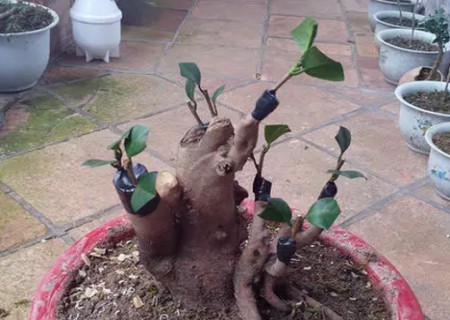
Osmanthus can be propagated by sowing seeds, cuttings, grafting, layering and other methods, but potted osmanthus is mostly propagated by grafting to raise young plants, and the grafting methods can be divided into two types: side grafting and approach grafting. For a tree species like osmanthus, if it is grown as a potted plant, propagation by sowing seeds and other means is also feasible
-
What are the fastest methods for rooting osmanthus cuttings?
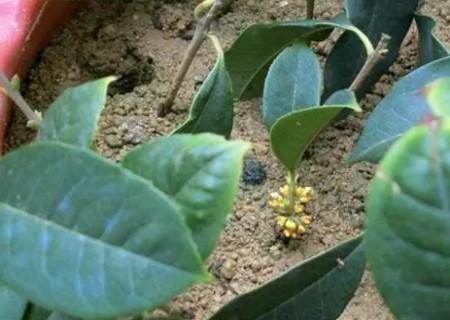
As one of China's ten traditional famous flowers, osmanthus has a fragrance that refreshes the heart and mind, and it is also quite tolerant as a potted plant and rewarding to view, making it deeply loved by gardening enthusiasts. Osmanthus also has many propagation methods, usually including sowing, cuttings, grafting, and layering, but by comparison, cuttings seem simpler and more direct. Using different propagation methods
-
How to root osmanthus in water - Methods for rooting osmanthus cuttings in water
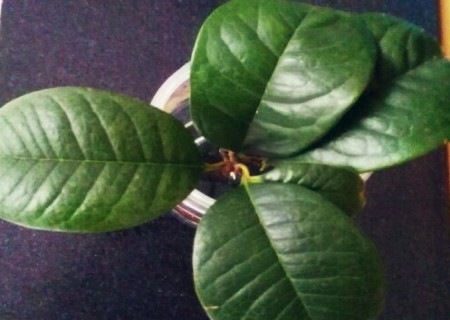
Osmanthus can be propagated not only by soil cuttings, but also by water cuttings. However, compared with water cuttings, osmanthus grown from soil cuttings roots more easily. Osmanthus cuttings in water are very difficult to root, but that does not mean they will not root at all. Usually, as long as we can provide a suitable growing environment for osmanthus cuttings in water
-
How to Graft an Old Boxwood Stump? A Detailed Guide to Practical Methods
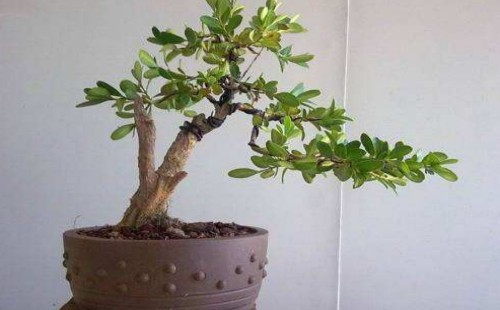
Boxwood trees are mostly used to make bonsai, especially old stumps, which produce very good bonsai with extremely high ornamental value. However, to make shaping and creative design easier, the branches and trunk that come with the tree itself are generally not used; new branches are usually cultivated by grafting.
-
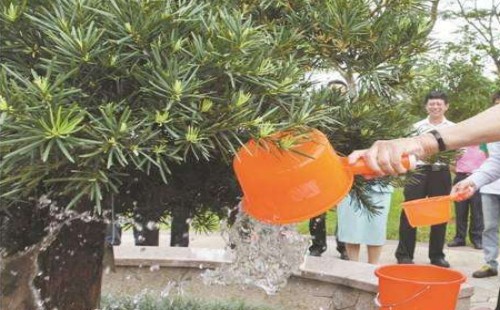
How to water a Buddhist pine (Podocarpus macrophyllus) bonsai in summer? These methods you need to master
Buddhist pine (Podocarpus macrophyllus) is a precious tree species and an excellent material for making bonsai. Because it is relatively rare, Buddhist pines growing in the wild are listed as a protected tree species in our country. The Buddhist pine itself rather prefers a moist growing environment with plenty of water, so watering must be done promptly
-
When to propagate Chinese Bird Plum (Sageretia thea) by cuttings? A detailed guide to timing and methods
Since ancient times, Sageretia thea has been an excellent material for making bonsai, especially suitable for Sageretia stumps, and is one of the important tree species for making stump bonsai. It is also one of the 5 famous trees in Lingnan bonsai. Sageretia bonsai has high ornamental value and good economic benefits, so it has always been well received by the market.
-
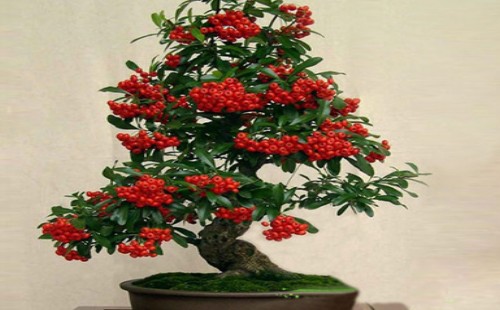
How to shape a sea buckthorn bonsai? A full breakdown of methods and techniques
Sea buckthorn is not only rich in nutrients and highly beneficial for health and wellness, it can also be used as medicine to treat illness, making it a plant that serves as both food and medicine. But its uses do not stop there. For enthusiasts who enjoy working on bonsai, sea buckthorn can even be made into a fruit-viewing bonsai to appreciate. As long as we can shape it perfectly
-
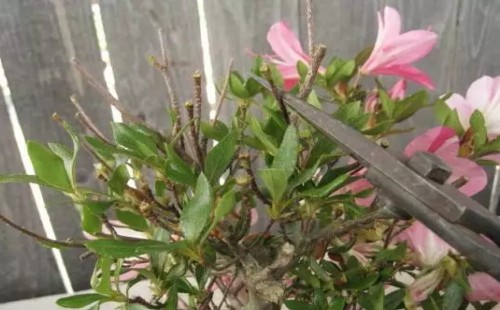
What are the pruning methods for Satsuki azalea bonsai?
Satsuki azalea, an azalea that blooms in summer, has relatively small branches and leaves, but numerous branches. Combined with its round, neat and attractive crown and its diverse flower shapes and rich colors, it is an excellent material for making ornamental bonsai. However, if you want the Satsuki azalea bonsai to maintain a perfect tree shape while blooming on schedule, pruning work must always be done well.
-
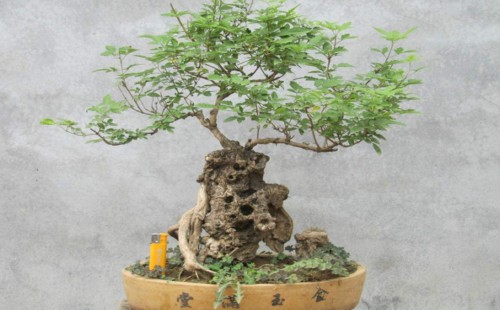
Correct Methods and Techniques for Leaf Removal and Leaf Reduction in Vitex Bonsai
Vitex bonsai (Vitex negundo) not only has a peculiar tree shape, but its leaves are also very verdant, so its ornamental value is extremely high. However, its bizarre and strange shaping effects are often created artificially rather than being innate. That said, the branches of the environment are relatively hard, and their toughness is relatively poor.
-
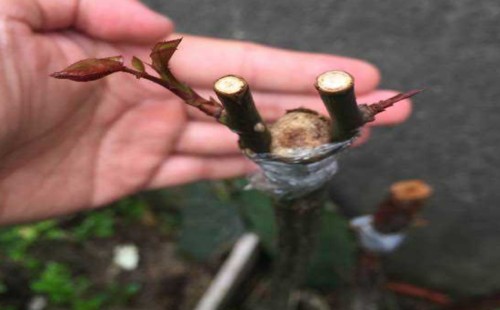
How to graft a tree-standard rose? Detailed methods and steps
The rose is a clumping shrub that does not grow an obvious main trunk, and to cultivate a rose bonsai with tree-standard characteristics, grafting is often the means used to achieve it. The tree stock used for grafting roses is mostly rose rootstock (Rosa multiflora), and the rootstock is required to grow vigorously, have a well-developed root system, and be free of pests and diseases.
条件筛选