-
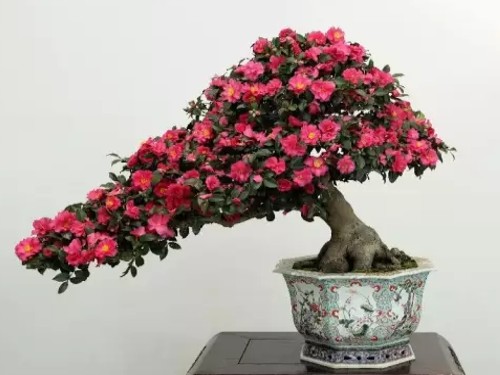
Fertilizing Methods and Precautions for Camellia Bonsai
Fertilizing camellias should be done selectively according to the different growth stages of the plant. During the growing period, camellias need topdressing, and quick-acting liquid fertilizers and chemical fertilizers are suitable. During the stage of sprouting branches and leaves, apply nitrogen fertilizer or a mixed fertilizer mainly based on nitrogen. Before flower bud differentiation, flower bud formation, enlargement, and flowering, phosphorus fertilizer or a mixed fertilizer mainly based on phosphorus is needed.
-
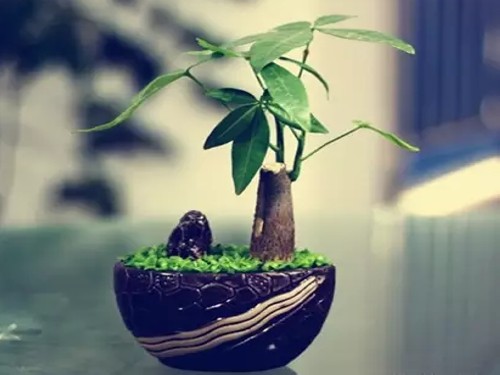
How to Fertilize Small Bonsai? A Complete Guide to Methods and Techniques
Potted plants are grown in containers where space and soil are limited, and natural nutrients are limited as well. For the normal growth of potted plants, supplementing nutrients is absolutely necessary, so fertilizing is also a very important part of daily bonsai care. The commonly mentioned three essential nutrients in fertilizer refer to three components: nitrogen, phosphorus, and potassium.
-
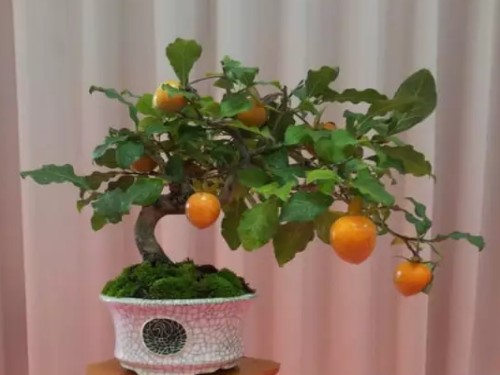
How to shape a Japanese persimmon (Diospyros rhombifolia) bonsai? Methods and techniques explained in detail
The Japanese persimmon (Diospyros rhombifolia) looks attractive, is easy to grow and easy to shape, so garden cultivation and Japanese persimmon bonsai are often seen. But apart from its fruit, the Japanese persimmon really has no ornamental value: it is a deciduous shrub with very slender branches, thorns, and rather ordinary leaves. Once it drops its leaves in winter, it is nothing but a pile of dry firewood
-
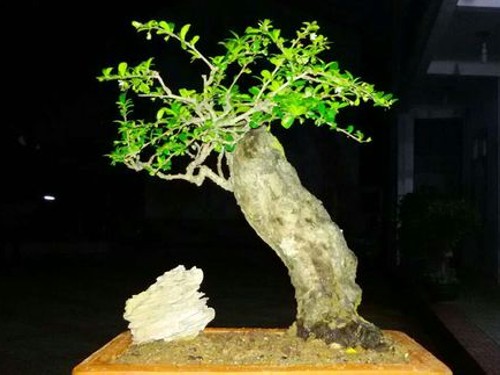
Detailed explanation of Fujian tea bonsai styling methods, easily shaping a graceful tree form
To make a Fujian tea bonsai, you can select robust one-year-old branches or semi-lignified branches of the current year for cutting propagation in spring or the plum rain season; you can also use root cuttings from early summer to early autumn to obtain seedlings; in the south, you can also dig up wild stumps or young trees in the woods, and after cultivating the stock until it survives, process it and pot it
-
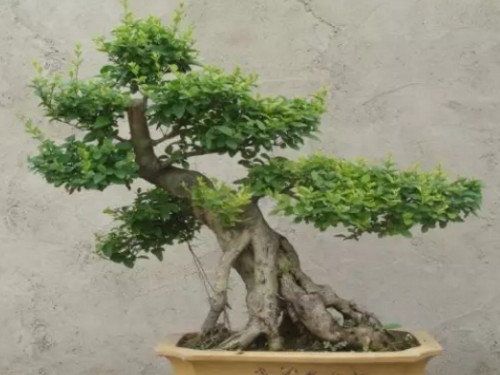
Detailed explanation of the propagation and seedling-raising techniques for Ligustrum quihoui, master the methods to cultivate strong seedlings
Ligustrum quihoui belongs to the Oleaceae family, Ligustrum genus, and is an evergreen or semi-evergreen shrub. Also known as small-leaf privet and small white wax tree. It is a hedge material in gardens and can serve as rootstock for trees such as osmanthus and lilac. It is vigorous, cold-resistant; strongly suckering; tolerant of pruning. It can be propagated by sowing, cuttings, and division, but sowing propagation is the main method
-
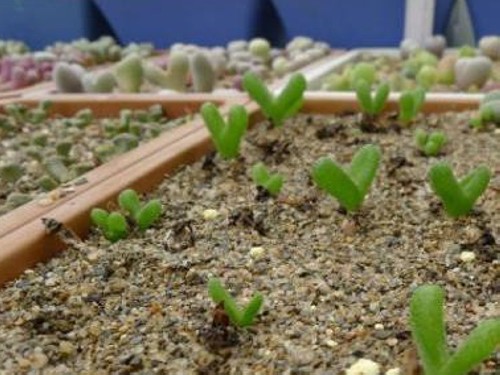
How to propagate society garlic? Introduction to common propagation methods
Society garlic (Tulbaghia violacea) belongs to the Amaryllidaceae family as a perennial herbaceous plant, a bulbous flower, with a plant height of 30-50 cm, bearing cylindrical small bulbs, and forming clumps as mature plants. Apart from the flower color differing from Chinese chives (Chinese chives generally have white flowers, while this flower is purple), its other characteristics are all similar to Chinese chives.
-

What are the sowing methods for large-flowered coreopsis?
Large-flowered coreopsis is native to the Americas and is widely cultivated in China. Large-flowered coreopsis can serve as an ornamental and landscaping material, and is commonly used in the beautification design of flower borders, slopes, courtyards, and street-center gardens. At the same time, large-flowered coreopsis can also be used as cut flowers or ground cover, and can also be used for highway greening, with the function of stabilizing soil and protecting slopes
-
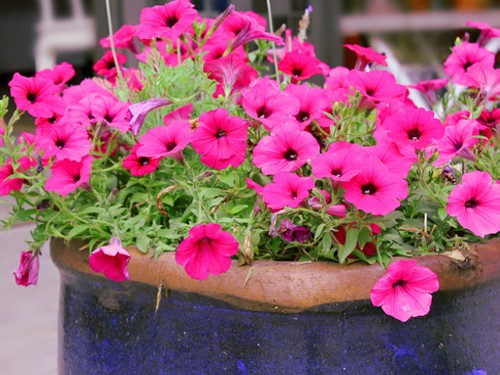
Detailed guide to petunia propagation methods, step by step teaching you how to propagate petunias
Morning glory belongs to the Convolvulaceae family, native to tropical Asia and southern China. It has another name, trumpet flower, and is an annual twining herbaceous flowering plant. Morning glory is a toxic plant; the stems, leaves and flowers all contain toxins, with the seeds being the most toxic
-
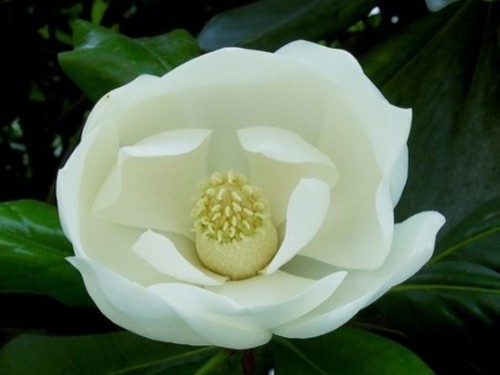
What are the sowing methods for the southern magnolia (Magnolia grandiflora)?
Southern magnolia, also known as lotus magnolia, foreign magnolia, and large-flowered magnolia, is an evergreen tree of the genus Magnolia in the family Magnoliaceae. Seeds are collected in autumn and sown immediately, or they can be stored in sand until the following spring for sowing. When sowing, it is best to sow densely. In the second year, the seedlings are transplanted in the nursery to continue growing, and after about 4 years of nursery cultivation they are ready to leave the nursery. For grafting, white magnolia (Magnolia denudata) or purple magnolia (Magnolia liliiflora) can be selected as the rootstock
-

The correct methods and techniques for leaf pruning of bonsai ficus
Stump bonsai is a sculpted landscape that changes with the four seasons and symbolizes vitality, so maintaining the continuity of its living growth becomes the inevitable purpose of maintenance and management. The ficus is a tropical tree species with strong vitality and wide adaptability; it likes light but also tolerates shade, and prefers a warm, humid, rainy climate; it stays evergreen all year round, with lush branches and leaves
条件筛选