How to grow Polyscias scutellaria? Detailed guide to cultivation methods and precautions
Polyscias scutellaria
Polyscias scutellaria, also known as Polyscias scutellaria and Polyscias scutellaria, is an evergreen shrub or small tree of the Araliaceae family and the genus Polyscias. The plant is much branched, with greyish-brown stems densely covered in lenticels. The branches are soft, the leaves alternate, and they are 3-leaflet pinnately compound leaves or simple leaves, with the leaflets broadly ovate or nearly round, heart-shaped at the base, with fine serrations along the margins, and green leaf surfaces. There are also variegated and silver-edged cultivars.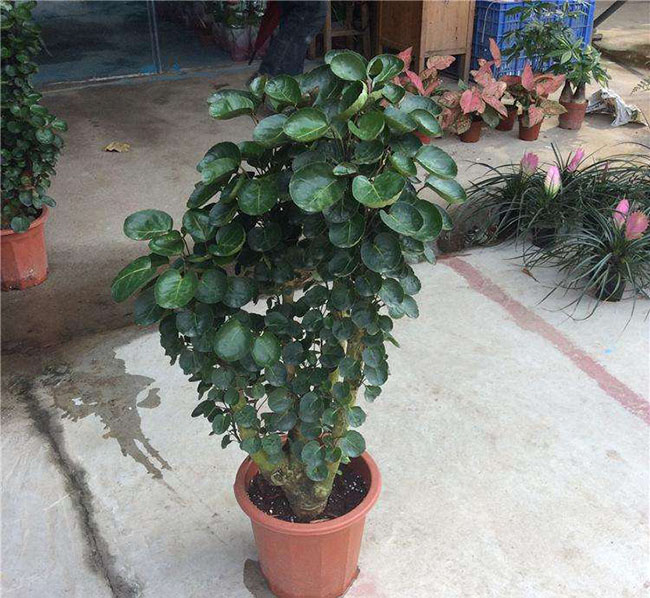
Morphological characteristics of Polyscias scutellaria
Polyscias scutellaria, also known as Polyscias scutellaria and Polyscias scutellaria, is an evergreen shrub or small tree of the Araliaceae family and the genus Polyscias. The plant is much branched, with greyish-brown stems densely covered in lenticels. The branches are soft, the leaves alternate, and they are 3-leaflet pinnately compound leaves or simple leaves, with the leaflets broadly ovate or nearly round, heart-shaped at the base, with fine serrations along the margins, and green leaf surfaces. There are also variegated and silver-edged cultivars. In addition, species in this genus such as Polyscias fruticosa, Polyscias filicifolia, Polyscias crispa, Polyscias guilfoylei and Polyscias quercifolia are also commonly cultivated.
It usually has few branches, and the stem surface is densely covered with obvious lenticels. The leaves are alternate, odd-pinnately compound, with round leaflets and a heart-shaped base. The umbels form panicles.
Growth habits of Polyscias scutellaria
Polyscias scutellaria is native to the Pacific Islands and prefers a warm, humid environment with plenty of sunlight. It tolerates partial shade, is not cold-hardy, and fears drought. When grown at home, Polyscias scutellaria can be kept in a bright indoor spot for a long time, as long as direct strong sunlight is avoided in summer. During the growing season, keep the potting soil moist but not waterlogged, and frequently spray the plant with water close to room temperature to increase air humidity and keep the leaves fresh. In addition, repotting Polyscias scutellaria once every 2-3 years in spring can make the plant grow more robustly.
Propagation methods of Polyscias scutellaria
Polyscias scutellaria can be propagated by taking cuttings from 1- to 2-year-old branches. The cuttings should be about 10 cm long, with most of the leaves removed to reduce evaporation. Under conditions of 20°C to 25°C and high air humidity, they can root in 4 to 6 weeks. You can also buy lignified stems specially sold for cuttings at flower markets and use them for cuttings, which also root easily. Polyscias scutellaria has upright stems and bright, varied leaves. It is a foliage plant, and plants of different sizes can be used to decorate the living room, bedroom, study, balcony and other places. It is both fashionable and elegant, and natural and fresh
Cultivation methods of Polyscias scutellaria
1. Soil:
For growing Polyscias scutellaria, it is best to choose a loose, fertile, well-drained sandy loam. For potting soil, mix 4 parts leaf mold, 4 parts garden soil, 2 parts sand and a small amount of composted cake fertilizer powder or bone meal.
2. Light:
When growing Polyscias scutellaria, place it in a bright indoor spot to ensure it receives sufficient light. Insufficient light easily causes leggy stems and leaves, dull leaf color and fading patterns, while strong direct sunlight will scorch the leaves of Polyscias scutellaria. Therefore, when growing Polyscias scutellaria as a potted plant at home, place it in a well-ventilated spot near a south-facing opening, in summer place it by a north- or east-facing window, and in winter place it in a brighter indoor spot.
3. Temperature:
The suitable growing temperature for Polyscias scutellaria is 15-30°C, and the minimum cultivation temperature should not be lower than 10°C, otherwise the plant will suffer cold damage. When the temperature is too high, place it in a cool spot or provide shade, and spray water around the plant to cool it down.
4. Watering:
Polyscias scutellaria likes a relatively humid environment, so give it plenty of water when growing it. During the growing season, water Polyscias scutellaria abundantly but appropriately, and do not let water accumulate, so as to avoid root rot. In midsummer when temperatures are high, besides watering more, spray the leaf surface once a day to increase air humidity. When the temperature is below 15°C, control watering, or replace watering with spraying, and keep the potting soil slightly moist and a little dry. When spraying the leaf surface, make sure the water temperature is close to room temperature.
5. Fertilizing:
For home potted plants, apply a special fertilizer or a diluted, fully decomposed liquid fertilizer once every 2 weeks or so. If it is a variegated cultivar, note that the nitrogen content in the fertilizer solution should not be too high, so as to prevent the patterns on the leaves from fading or even disappearing. After Mid-Autumn, stop applying nitrogen fertilizer and apply 1-2 additional applications of phosphorus and potassium fertilizer to increase the plant's cold resistance and help it overwinter smoothly. After winter begins, stop fertilizing to avoid damaging the roots.
6. Pests and diseases:
When growing Polyscias scutellaria, if you are not careful, it is prone to hazards such as anthracnose and scale insects, which should be controlled promptly. If disease occurs, also promptly remove and destroy diseased leaves
How to grow Polyscias scutellaria: cultivation tips and precautions for Polyscias scutellaria
Polyscias scutellaria has soft branches, the plant has many branches, and the leaves that grow are mostly small and round. The leaves of Polyscias scutellaria are glossy green and have high ornamental value. It is good both planted in a courtyard or placed indoors.
How to grow Polyscias scutellaria1. How to grow Polyscias scutellaria——FertilizingFertilizing Polyscias scutellaria generally means applying fertilizer to each pot once every two weeks. Choose a special fertilizer, dilute it and use it as a liquid fertilizer, but do not continue fertilizing after September. This allows the plant's branches and leaves to have enough space to grow and to pass through winter smoothly.
2. How to grow Polyscias scutellaria——RepottingIn winter, Polyscias scutellaria is suitable for a growing environment with plenty of sunlight, with appropriate watering. Every two years, Polyscias scutellaria needs to be repotted. The potting soil for repotting needs to be moist and mixed with a certain amount of humus. The potting soil can be leaf mold plus peat soil, with some chicken manure added as fertilizer.
3. How to grow Polyscias scutellaria——WateringPolyscias scutellaria does not like drought, so water it frequently. At the same time, keep the soil moist but not waterlogged. You can often spray some water mist around the plant to keep the leaves emerald green and give Polyscias scutellaria a humid growing environment.
4. How to grow Polyscias scutellaria——SunlightPolyscias scutellaria can tolerate partial shade and is suitable for effective growth both outdoors in full sun and indoors under fluorescent light. Polyscias scutellaria is relatively sensitive to environmental changes, so before it adapts to the environment, water it more and supplement nutrients.
How to grow Polyscias scutellaria: cultivation methods for Polyscias scutellaria
Polyscias scutellaria is also known as Polyscias scutellaria. It has upright stems and bright, varied leaves, and is a good foliage plant. So how do you grow Polyscias scutellaria? Next, let's take a look at the cultivation methods for Polyscias scutellaria.
1. How to grow Polyscias scutellaria
Polyscias scutellaria is native to the Pacific Islands and prefers a warm, humid environment with plenty of sunlight. It tolerates partial shade, is not cold-hardy, and fears drought. At home, it can be kept in a bright indoor spot for a long time. If it can receive several hours of sunlight indoors every day, it will grow even more vigorously. In summer, avoid direct strong outdoor sunlight. During the growing season, keep the potting soil moist but not waterlogged, and frequently spray the plant with water close to room temperature to increase air humidity and keep the leaves fresh.
2. Cultivation methods of Polyscias scutellaria
1. Soil: For growing Polyscias scutellaria, it is best to choose a loose, fertile, well-drained sandy loam. For potting soil, mix 4 parts leaf mold, 4 parts garden soil, 2 parts sand and a small amount of composted cake fertilizer powder or bone meal.
2. Temperature: The suitable growing temperature for Polyscias scutellaria is 15-30°C, and the minimum cultivation temperature should not be lower than 10°C, otherwise the plant will suffer cold damage. When the temperature is too high, place it in a cool spot or provide shade, and spray water around the plant to cool it down.
3. Light: Growing Polyscias scutellaria requires sufficient light. Insufficient light easily causes leggy stems and leaves, dull leaf color and fading patterns, while strong direct sunlight will scorch the leaves of Polyscias scutellaria. Therefore, in summer provide appropriate shade, and in winter place it in a brighter indoor spot.
4. Watering: Polyscias scutellaria likes a relatively humid environment. During the growing season, water it abundantly but appropriately, and do not let water accumulate, so as to avoid root rot. In midsummer when temperatures are high, besides watering more, spray the leaf surface once a day to increase air humidity. When the temperature is below 15°C, control watering, or replace watering with spraying, and keep the potting soil slightly moist and a little dry.
5. Fertilizing: For home potted plants, apply a special foliage plant fertilizer or a diluted, fully decomposed liquid fertilizer once every 2 weeks or so. If it is a variegated cultivar, note that the nitrogen content in the fertilizer solution should not be too high, so as to prevent the patterns on the leaves from fading or even disappearing. After Mid-Autumn, stop applying nitrogen fertilizer and apply 1-2 additional applications of phosphorus and potassium fertilizer to increase the plant's cold resistance and help it overwinter smoothly. After winter begins, stop fertilizing to avoid damaging the roots.
6. Pest and disease control: Polyscias scutellaria is prone to hazards such as anthracnose and scale insects, which should be controlled promptly. If disease occurs, also promptly remove and destroy diseased leaves.
The above isCultivation methods for Polyscias scutellariaan introduction. Polyscias scutellaria plants of different sizes can decorate the living room, bedroom, study, balcony and other places. It is both fashionable and elegant, and natural and fresh, making it a good choice.