How to propagate potted Lantana camara? Detailed introduction to propagation methods
A single flower cluster often shows changes of multiple colors, so it is also known by the aliases five-color plum and five-color flower; at the same time, the branches and leaves contain a special pungent odor, so Lantana camara also has aliases such as stinkweed and stink golden phoenix. The flowering period is from June to October.
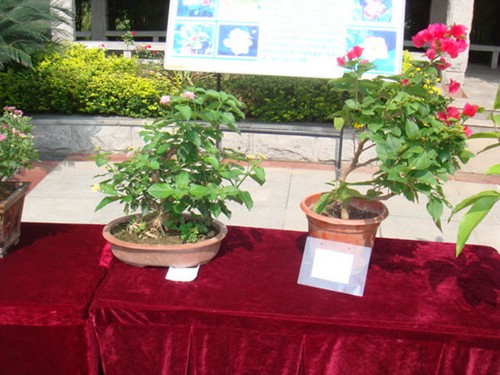
Potted Lantana camara should be repotted before being brought out in spring, and sufficient base fertilizer should be applied, with the branches properly pruned. If they are small seedlings, pinch the tips to encourage side branches. For established plants, pay attention to thinning out weak and diseased branches and carry out appropriate pruning back to maintain a good tree shape and encourage more new shoots. If seeds are not wanted after flowering, remove the spent flowers to help the leaf axils below produce more flower clusters. During the growing period, keep plenty of sunlight and moist soil, and do not let it get too dry, especially during flowering. If it is too dry, it tends to wilt, which affects flowering.
Seed propagation:
Sowing can be done in pots in late autumn under high humidity and warm temperatures, or in spring. In South China, seedlings from sowing can be used to plant flower beds, and flowers can be seen as early as September of that year. After the fruit ripens, pick it, pile it up to compost, soak it in water and rub off the flesh to obtain the seeds. Seeds must not lose water; they can be sown in autumn immediately after collection, or stored mixed with sand and sown in spring. After sowing, the temperature during the germination stage should be kept above 20C. The germination rate is about 60%, and seedlings sown in the south can bloom in autumn of that year.
Cuttage propagation:
Cuttage is mostly carried out in May. Take one-year-old branches as cuttings, with every two nodes as one section, keep the 2 leaves on the upper node and cut them in half, and insert the lower node into plain sandy soil or a substrate made by mixing plain sandy soil and fully decomposed humus soil in equal parts. After inserting, shade it, cover it with film to retain moisture and heat, keep the cutting bed moist and the air humidity at 80%-90%, and roots will develop in about 1 month, along with new shoots. After the seedlings survive, if they are to be planted in an open-air flower bed, it is better to first plant them in small flower pots as a transition. When the roots of the cuttings grow to about 5 cm long and some have turned brown, transplant them into pots and keep them under light shade for a period of time. After the new roots are well developed and white roots emerge from the bottom hole, then remove them from the pots and plant them in place.
Layering propagation:
The plant has extremely many branches and roots wherever it touches soil, so flexible branches can be nicked and pressed into the soil. After the root system grows, cut the stem and divide the plant.
Lantana camara is tolerant of pruning. As long as you pay attention to pruning, you can make Lantana camara grow more healthily, with a better plant shape and more flowers. Lantana camara is easy to grow and does not require much effort. Friends who like it may as well give it a try.