What are the management methods for cherries from flowering to before ripening?
The flower and fruit management of cherries is mainly reflected in pollination and fruit retention, flower and fruit thinning, and fruit protection before harvest. Cherry is a fruit tree with low self-fruitfulness. To ensure fruit set, in addition to configuring pollinizer trees properly when establishing the orchard, artificial pollination and the use of flower-visiting insects to assist pollination should also be done well to increase the fruit-setting rate. At the same time,...
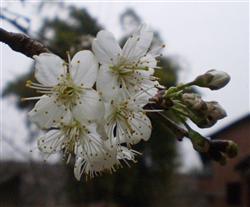
The flower and fruit management of cherries is mainly reflected in pollination and fruit retention, flower and fruit thinning, and fruit protection before harvest. Cherry is a fruit tree with low self-fruitfulness. To ensure fruit set, in addition to configuring pollinizer trees properly when establishing the orchard, artificial pollination and the use of flower-visiting insects to assist pollination should also be done well to increase the fruit-setting rate. At the same time, spray 0.3% urea + 0.3% borax or 0.5% potassium dihydrogen phosphate solution every 10 days to increase the fruit-setting rate. Bud thinning is done before flowering by removing small and poorly developed flower buds. Bud thinning can improve the nutrient supply to the retained flowers, which is an effective measure to increase the single-fruit weight of cherries. It is generally carried out from late March to late April, leaving about 2 to 3 flower buds per bouquet spur. Through bud thinning, fruit size can be increased. Fruit thinning is a production technique that further increases fruit size on the basis of bud thinning. It is usually carried out after the physiological fruit drop ends in mid-to-late May. Leave 3 to 4 fruits per bouquet spur. Through fruit thinning, the plant's load can be further adjusted, promoting fruit enlargement and increasing the sugar content of the fruit. When thinning fruits, attention should be paid to removing small fruits and drooping fruits that are not easily reached by light and color poorly, while retaining large horizontal and upward-facing fruits. Techniques to promote coloring include leaf removal and the use of reflective film. Fruits on short fruit branches are easily shaded from sunlight by clustered leaves. To promote fruit coloring, when coloring begins, the leaves shading the fruit from sunlight should be removed, and silver reflective plastic film should be laid under the canopy to use the reflected light under the canopy to promote fruit coloring. To avoid the occurrence of fruit cracking, rain-proof tents are generally set up in early June at the beginning of fruit coloring, and the effect is very good. In addition, when the fruits are ripe, they often attract birds to feed, so bird prevention should be noted. Usually, netting is adopted to protect the tree body.