-
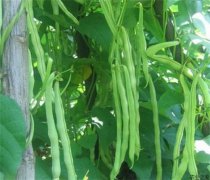
What plant is the common bean? Common bean planting and cultivation management methods
Organic common bean cultivation and management techniques (1) Environmental selection and coordination of related measures. Practice crop rotation. Carry out soil diagnostic analysis. Soil improvement. No soil, air or water source pollution in the surrounding environment. (2) Weed control methods. Use manual or mechanical inter-row cultivation and weeding, do not use chemical
-

Cultivation and Care Methods and Management Techniques for Zinnia
Zinnia belongs to the genus Zinnia, an annual herbaceous plant. It is robust, fond of warmth, not cold-tolerant, fond of light, and relatively drought-tolerant. The optimum germination temperature is 22-25°C. When sowing, a little soil should be covered, and it should be placed in a dark place. Once true leaves appear, it must be transplanted immediately. Zinnia grows extremely fast and is prone to leggy growth, so timely pinching is necessary
-
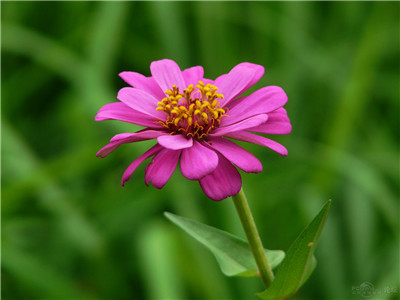
Key Field Management Techniques for Zinnia
Plant shaping management: If zinnia is not pinched, the plant will have too few side branches and too few flowers. Proper pinching can promote dwarfing of the plant and increase the number of flowers. When the seedlings grow to 4 leaves, transplant and pinch to encourage lower branches to grow and form a better plant shape. Begin pinching one week after transplanting, keeping 4 pairs of true leaves.
-

Cultivation and Management Methods and Key Technical Points for Cyclamen
Cyclamen is a rather delicate flower species, prone to disease and requiring meticulous care. However, because of its bright and rich flower colors, long blooming period, and thick, fleshy leaves, it has high ornamental value. It is an excellent gift for relatives and friends and a way to convey blessings, as well as a fine potted flower for placement in living rooms, conference venues, hotels, and other settings.
-
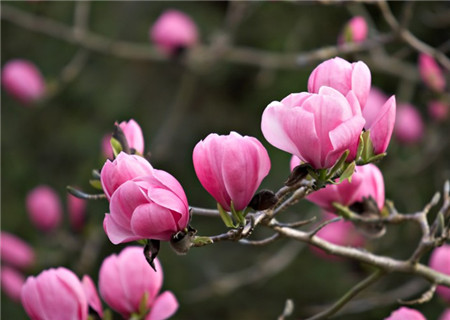
Detailed Guide to Magnolia Cultivation Techniques and Management Methods
Magnolia is mostly propagated by layering and division. Sometimes seeds are also used. For division of magnolia, it can be done in spring or autumn. Dig out the mother plant with dense branches and plant them separately, and prune the root system and cut back the branches. For layering, select one- to two-year-old branches, and in early spring, the mound layering method or the trench layering method can be used for propagation. For sowing, collect seeds in September.
-
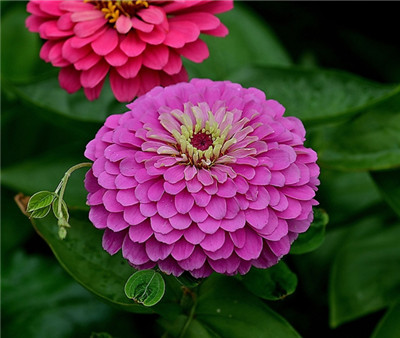
Detailed Explanation of the Key Cultivation and Management Techniques for Zinnia
Zinnia is an annual herbaceous plant that loves light and warmth, prefers somewhat moist conditions, and can also tolerate a certain degree of drought. It is robust and vigorous, and the cultivation soil should be loose and fertile. Poor, thin soil and excessive drought will directly affect the number of flowers, flower color, and flower diameter. Although there are differences in height among zinnia varieties
-

Detailed Explanation of Japanese Pagoda Tree Pod Cultivation Techniques and Management Methods
Cultivation Techniques for Japanese Pagoda Tree Pods
-

Detailed Explanation of Shiitake Mushroom Cultivation Techniques and Management Methods
Shiitake Mushroom Cultivation Techniques
-
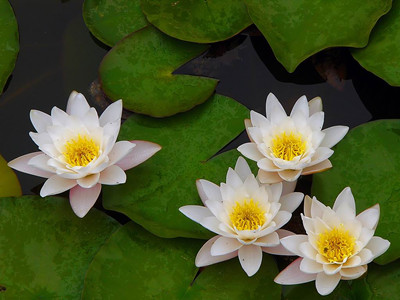
Water Lily Cultivation and Management Methods and Technical Key Points
Beautiful water lilies can be grown not only in ponds but also in pots. For pond cultivation, drain the pond water in early spring, apply base fertilizer, then add fresh pond mud and refill with water. The water should be added in several rounds until fully filled. As new leaves grow, gradually add more water; during the flowering season, the water depth can be maintained at 70-80 cm. In winter, more water should be added
-

How to Grow Fagraea ceilanica? A Detailed Guide to Light, Water, Fertilizer, Propagation, and Pest and Disease Control
Fagraea ceilanica has dense branches and lush, glossy dark green leaves, making it an excellent indoor foliage plant. This article introduces cultivation and management methods for Fagraea ceilanica, covering light and humidity adjustment, watering, fertilizing and pruning, cutting propagation, and the control of anthracnose, sunscald, thrips, and other pests and diseases.
条件筛选