-
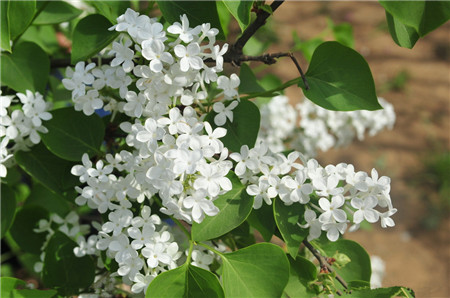
How to grow lilacs? A detailed guide to cultivation and management methods
In the cultivation and management methods of lilacs, the first thing is to distinguish clearly between medicinal clove and ornamental lilac, which are two completely different plants. The cultivation and management methods for medicinal clove and ornamental lilac are different.
-
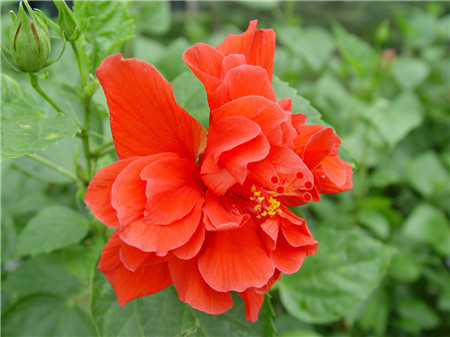
How to grow Chinese hibiscus? Detailed cultivation and management methods
Chinese hibiscus grows vigorously and has a long flowering period, so it needs plenty of nutrients, which means the potting soil must be very fertile. The potting soil mix for cultivating Chinese hibiscus should be prepared in different ratios according to its growth stage. During the growing period, pay attention to fertilizer management. After potting, place it in semi-shade. After 10-15 days of recovery, move it to a spot with plenty of sunlight.
-
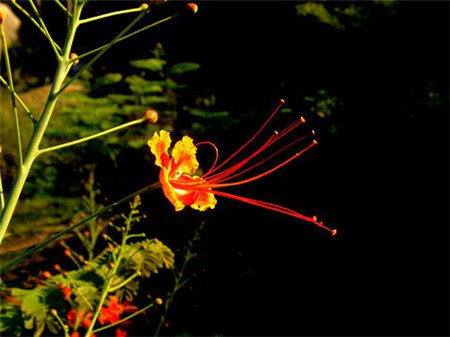
How to grow the Flamboyant Tree? Cultivation and management techniques for the Flamboyant Tree
The Flamboyant Tree (Delonix regia) loves light and is not cold-tolerant, grows rapidly, and has a well-developed root system; it tolerates smoke and dust poorly. Native to Madagascar, it is commonly planted in tropical regions worldwide, and is cultivated in China's Yunnan, Guangxi, Guangdong, Fujian, Taiwan, China and other provinces. Propagation is generally done by seed sowing; after the fruit ripens, collect it and sun-dry it
-
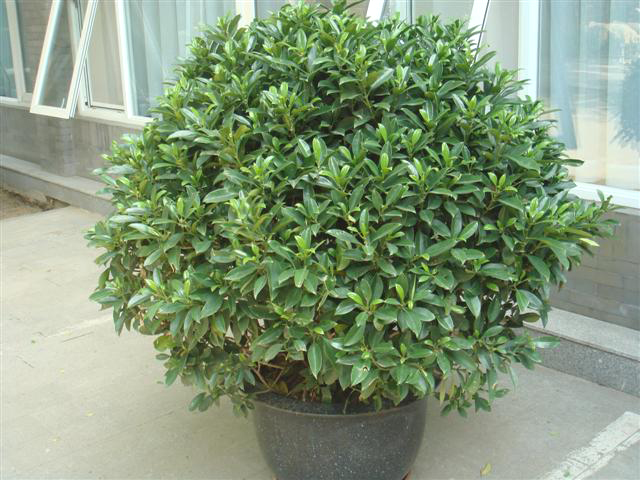
Cultivation Management Methods and Technical Key Points for Fagraea ceilanica
Fagraea ceilanica is an evergreen tree or shrub, sometimes capable of climbing. It likes sunlight, tolerates shade, and has strong cold resistance. In the southern subtropical regions, it stays green all year round and grows well. It has low requirements for soil, strong adaptability, grows vigorously and is easy to cultivate. Fagraea ceilanica has dense branches and leaves, a beautiful tree shape, nearly succulent leaves, and dark green glossy leaf color.
-
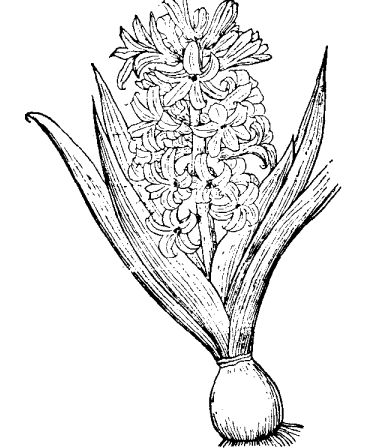
Detailed Guide to Hyacinth Cultivation, Propagation and Management
[Aliases]Dutch hyacinth, five-colored hyacinth. [Family and genus]Liliaceae, Hyacinthus. [Morphology]Perennial herb, bulb spherical or oblate, covered with a tunica that is purplish blue or white etc., related to flower color. Leaves 4-6, basal, thick and fleshy, strap-shaped lanceolate. Flower scape 16-45 cm tall, hollow
-

How to grow hydroponic plants? Daily management methods and precautions
1. Temperature The generally suitable growing temperature for hydroponic plants is within 5-30°C; too low or too high both have a great impact on plant growth; 2. Light Newly hydroponic plants need diffused light, not direct sunlight. What is diffused light? It is natural light coming in through windows and other places.
-

-

A Detailed Guide to the Cultivation Techniques and Management Methods of Sanguisorba officinalis
Cultivation Techniques for Sanguisorba officinalis
-
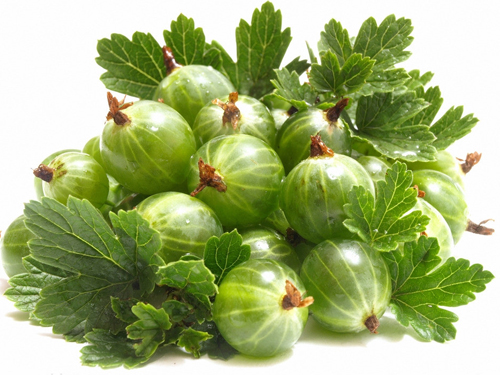
A Detailed Guide to Fig Cultivation Techniques and Growing Management Methods
The fig (Ficus carica) is a plant of the mulberry family, genus Ficus, also known as dǐzhēnshù, āyì, and yìngrìguǒ. The fig is a deciduous tree or shrub. The branchlets are stout and hairless; the leaves are obovate or nearly round, 3-5 deeply lobed, with a rounded-blunt tip and a heart-shaped base, and irregularly serrated margins; the upper surface is rough
-
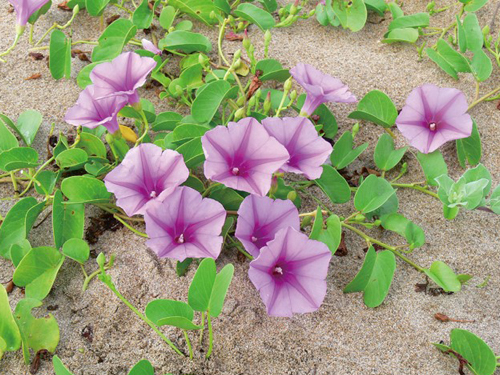
Cultivation and Management Methods for Beach Morning Glory (Horse-hoof Grass, Climbing Vine Flower)
Beach Morning Glory (Goat's-foot Creeper, Horse-hoof Grass, Sea Potato, Climbing Vine Flower) Scientific name: ipomoea pes-caprae Family: Convolvulaceae Alternative names: Beach Morning Glory, Horseshoe Vine, Two-leaf Sweet Potato, Lion Vine, Horseshoe Gold, Horse-hoof Grass, Sea Rush Vine. Morphological characteristics: Perennial herb, stems creeping on the ground. Leaves alternate, thick leathery
条件筛选