-

What are the key points of winter management techniques for Sichuan pepper?
The first is "pruning", which means shaping and pruning. Winter is a great season for pruning Sichuan pepper. When pruning, the "seven branches" must be cut off, namely: water sprouts, dead branches, diseased and pest-infested branches, overly dense branches, crossing branches, overlapping branches, and weak slender branches. Then the cut branches should be gathered and burned, which can eliminate pests and pathogens overwintering on the branches and trunks. Through shaping and pruning the Sichuan pepper tree, the tree vigor can be regulated, the lifespan of the Sichuan pepper tree can be extended, and the yield and quality of Sichuan pepper can be improved. The second is "scraping", which means scraping off rough bark. Many insect eggs overwinter in the cracks of the rough bark of the pepper tree,
-
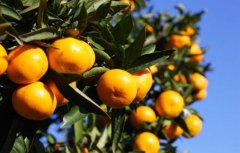
What should be done for the cultivation and management techniques of the citrus variety Fremont mandarin?
Master the timing and proportion of fruit thinning to grow good fruit. The Fremont mandarin is large and beautiful, so what should be noted when growing it in order to cultivate it well? As the weather gradually turns cooler, the citrus season has arrived again, and experienced gourmets begin searching the market
-
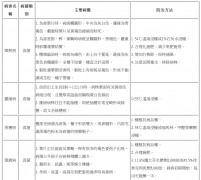
Foxtail Millet Cultivation Techniques: Field Management Measures and Pest and Disease Control Methods
Foxtail millet cultivation techniques and field management - do you know them? Soil selection and land preparation with basal fertilizer application, sowing and thinning, weed control and intertillage with earthing up - are you clear on all of these? And there is also pest and disease control - if you do not understand, let us take a look together. (1) Soil selection
-

Is traceability certification not the main focus? Farm management system risk is the real key?
Traceability certification: certification does not equal obtaining a license; assessing farm management risk is the main focus. Let's take a look below. Obtaining the traceable agricultural products label requires passing third-party verification; auditing and sampling are unavoidable procedures, and extra fees are required, which puts farmers
-

What causes plant pests and diseases? Tracing the origins of IPM crop production management techniques
IPM is not about setting absolute methods, but about finding the most optimized approach. Let's take a look together below. Cruciferous crops in their growth pattern often develop serious pests and diseases only near harvest time. Taking broccoli as an example, the head is covered by outer leaves, and pests easily hide within, leading to poor control
-
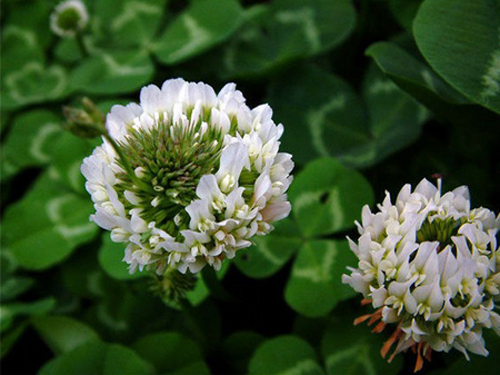
White Clover (White Trefoil, White Flower Clover) Cultivation and Management Techniques
White Clover (White Trefoil, White Flower Clover) Scientific name: trifoliumrepens Alias: White Trefoil, Trefoil, Dutch Clover, White Flower Alfalfa, Golden Flower Grass, Shu Cao Qiao Yao Family and Genus: Mimosaceae Morphological characteristics: Perennial evergreen herb. Clump-forming, plant height 25~50 cm
-
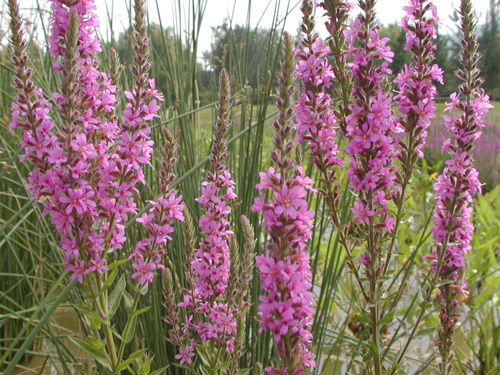
What are the cultivation and management methods for purple loosestrife (water willow)?
Purple loosestrife (water willow) Scientific name: lythrum salicaria. Aliases: water willow, water willow, opposite-leaf lotus, whip grass, antidote grass. Family and genus: Lythraceae, Lythrum. Morphological characteristics: perennial emergent herb. Stem erect, four-angled. Leaves opposite or in whorls of 3, sessile, narrowly lanceolate.
-
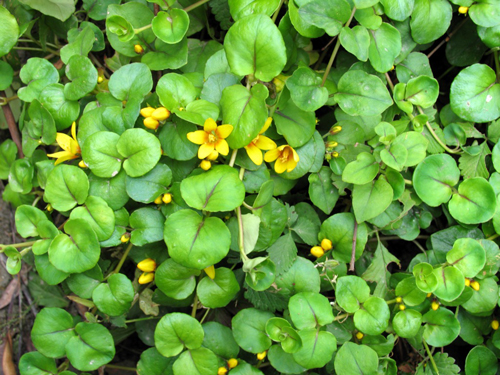
Care and Management Methods for Dichondra repens (Yellow Gall Grass, Moneywort)
Dichondra repens (Yellow Gall Grass, Moneywort, Pouch Grass) Scientific name: dichondra repens. Aliases: Small Moneywort, Pouch Grass, Meat Wonton Grass, Golden Key, Copper Coin Grass, Small Dichondra, Jaundice Grass. Family and genus: Convolvulaceae. Morphological characteristics: Perennial creeping herb. Leaves alternate, horseshoe-shaped, bright green.
-

Key Cultivation and Management Techniques for Crocosmia (Flame Lily)
Crocosmia (Flame Lily) Scientific name: Crocosmia crocosmiflora. Alias: Xionghuang Orchid. Family and genus: Iridaceae, Crocosmia. Morphological characteristics: The corm is flat and round, resembling a water chestnut; the plant height is about 50 cm; the leaves are linear and sword-shaped, with leaf sheaths at the base that clasp the stem.
-

Detailed Explanation of Lotus Cultivation Techniques and Management Methods
Lotus, also known as lianhua, furong, shuizhi, liuyuechun, etc. A plant of the genus Nelumbo in the family Nymphaeaceae, it is one of China's top ten traditional famous flowers. (1) Watering: Lotus is an aquatic plant, and the entire growing period of cultivated lotus cannot do without water. Summer is the peak growth period of lotus, and its demand for water is also at its greatest.
条件筛选