-
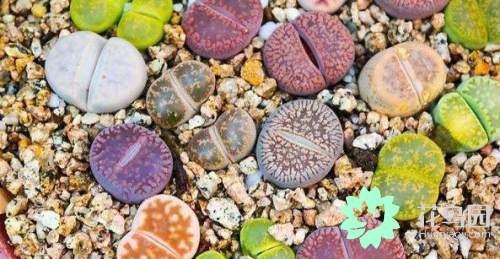
Introduction to the succulent Lithops: How can you care for it better?
The succulent Lithops I'm introducing to you today is quite amazing. At first, no one knew it was a plant, and that it could even bloom, because it looks so much like a stone. So when people saw it, they only thought it was a stone. Later...
-
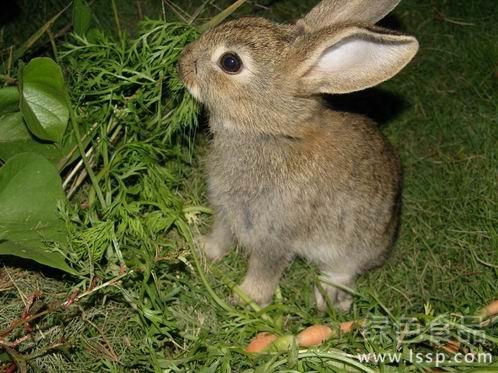
Introduction affects benefits: keep the "four keys" in mind when introducing wild rabbits
Introduction affects benefits: keep the "four keys" in mind when introducing wild rabbits
-
What are the commonly used insecticides for flowers? Introduction to common types of pesticides
What fungicides are commonly used for flowers? Please give an introduction. The fungicides commonly used for flowers include the following for reference: Triadimefon has preventive, eradicative and fumigant effects on rust and powdery mildew. Apple rust, poplar rust, chrysanthemum rust, sedge rust, rose rust, Chinese rose powdery mildew, crabapple pow...
-
Which crops can paraquat be used on? Detailed introduction to its scope of application
Which crops can paraquat be used on? Please give a detailed introduction. Paraquat is a fast-acting non-selective herbicide with contact action and a certain systemic action. It is rapidly absorbed by the green tissues of plants, causing them to wither and die. It has no effect on non-green tissues. In soil it rapidly binds to soil particles and becomes deactivated, with no effect on plant roots and many...
-
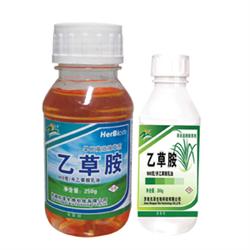
Introduction to the correct application methods of acetochlor
How is acetochlor applied? Please explain. Acetochlor is also known as Harness and acetochlor. It is suitable for soybeans, oil crops, peanuts, corn, cotton, vegetables, etc. It controls annual grass weeds and some broadleaf weeds. It is ineffective against perennial weeds. Acetochlor is a pre-emergence soil treatment, applied before crop emergence around sowing time...
-
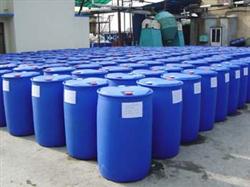
What is glyphosate aqueous solution? A detailed introduction for you
What is glyphosate aqueous solution? Please note that commercially available glyphosate comes in many forms and many formulations, such as glyphosate isopropylamine salt, glyphosate ammonium salt, and glyphosate, among which 10% glyphosate aqueous solution and 41% glyphosate isopropylamine salt account for the vast majority. According to Announcement No. 1158 jointly issued by the Ministry of Agriculture and the Ministry of Industry and Information Technology...
-
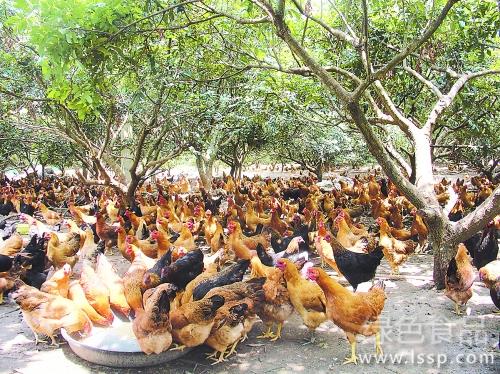
Introduction to Understory Chicken Farming: How to Establish a Good Ecological Cycle
Establishing a Good Ecological Cycle: A Brief Introduction to Understory Chicken Farming Techniques
-
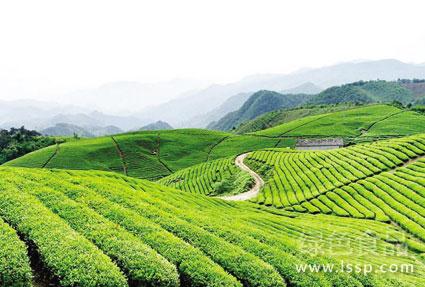
Introduction to Pollution-Free Pure Natural Organic Tea Planting and Cultivation Techniques
Introduction to Pollution-Free Pure Natural Organic Tea Planting and Cultivation Techniques
-
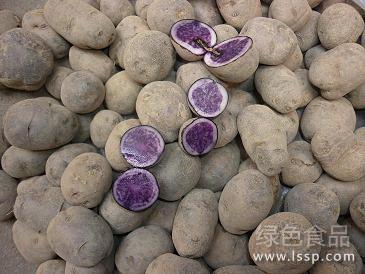
Introduction to the Cultivation Techniques of Purple Potato / Black Potato
Purple Potato - Introduction to Black Potato Cultivation Techniques
-
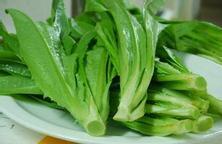
Paraquat Herbicide Introduction: A Comprehensive Guide in One Article
A farmer called: When selling vegetables grown nowadays, they are often asked whether there are pesticide residues. What are the consequences of pesticide residues? Answer: Pesticide residues are the portion of pesticides that remain directly or indirectly in grains, vegetables, fruits, livestock products, aquatic products, and... after pesticides are applied in agricultural production.
条件筛选