Introduction affects benefits: keep the "four keys" in mind when introducing wild rabbits
China is rich in grass resources and has suitable climatic conditions, and many places are suitable for raising wild rabbits. Wild rabbits have strong stress resistance and adaptability, grow and develop quickly when raised, cost little, and yield large returns. If you want to raise wild rabbits well, the introduction of wild rabbits is a very important step. Therefore, when introducing wild rabbits, you must do well on the “four keys”.
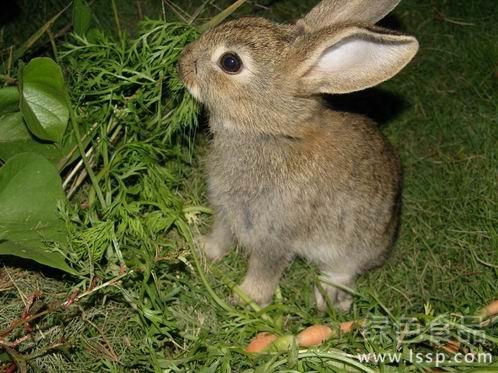
Wild rabbit
Age key.For breeding rabbits, choose young wild rabbits that are over 60 days old and weigh more than 2 kg. Wild rabbits that are younger and lighter in weight have weak disease resistance and poor adaptability, are difficult to transport over long distances and to adapt to changes in the raising environment and management, and are not suitable for introduction.
Health key.Check the health condition of the wild rabbits; those with clean eyes and silent breathing are preferable. Female wild rabbits should have no genital inflammation, their droppings should be pellet-shaped, their appetite normal, and their coat glossy and not messy.
Transport key.Special transport cages should be used for loading and transporting wild rabbits. Morning and evening are the more suitable times for transport; it is not advisable to transport them at noon in hot summer, so as to prevent heatstroke. During transport, observe the wild rabbits' activity and care for them carefully. Pay special attention to the fact that wild rabbits are very wild by nature; once they are put into a cage, they will collide with one another, so prevent the wild rabbits from injuring or trampling one another to death.
Feeding key.After the breeding rabbits arrive home, do not rush to feed them. First give the wild rabbits a small amount of water, let them rest for a while, and then feed them some tender green grass. Within 10 days, keep the management and feeding methods as consistent as possible with those of the introduction site, then gradually change the wild rabbits' feeding method until it is converted to the normal feeding method of the raising site.