Introduction to Pollution-Free Pure Natural Organic Tea Planting and Cultivation Techniques
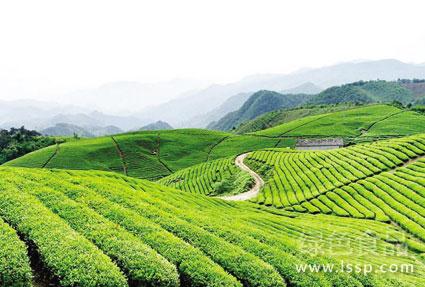
Tea garden
Older people have always loved drinking tea, and nowadays many young white-collar workers have also started choosing tea. Among the tea categories, the best-selling one at present should be organic tea, the latest concept.
So, what is organic tea? Organic tea is tea produced and processed according to the methods of organic agriculture. In its production process, no artificially synthesized chemical fertilizers, pesticides, plant growth regulators, chemical food additives or other such substances are used at all, and it complies with the standards of the International Federation of Organic Agriculture Movements (IFOAM), and is issued a certificate by an organic (natural) food certification organization.
Organic tea is a pollution-free, pure natural tea. Organic tea was also the first organic food in our country to be certified for export. In recent years, more than 20 tea production units in our country have obtained organic tea certification, establishing nearly 6,000-plus mu of organic tea bases, and annual organic tea production has reached more than 500 tons (mainly green tea, with some black tea, oolong tea, etc.).
What is the difference between green food and organic food:
Green food may use pesticides, chemical fertilizers and hormones. However, there are certain restrictions on the amount and timing of use; at the same time, green food can be produced using transgenic technology.
Organic food is currently the food certification with the highest safety level in the world, strictly prohibiting the use of any pesticides, chemical fertilizers, hormones or other artificial additions, and absolutely prohibiting the use of transgenic technology.
Therefore, some crops do not even have the qualifications to apply for organic certification. Only products produced in the most natural way can apply for organic food certification.
Therefore, good organic tea cannot be separated from correct planting methods, and only organic tea grown with correct planting methods can possibly let you obtain its accompanying health-promoting effects, and drinking organic tea can also very well eliminate the emergence of the "pesticide residue" problem.
Tea garden
In cultivation techniques, such as fertilization, pests and diseases, and weed management, organic tea differs from ordinary conventional farming methods.
Liang Jinyi, who was once named one of the Ten Outstanding Young Farmers of Taoyuan County, said that in terms of fertilization, organic tea uses only compost, soybean meal types or planted green manure (such as lupine, green-skinned beans, sesbania, etc.), and the effect of improving tea quality is good.
In pest and disease control, the varieties planted are usually mainly Taiwan Tea No. 12 (Jinxuan), Taiwan Tea No. 13 (Cuiyu), Wuyi, etc. For insect pests, non-pesticide methods are used for control, such as biological control (using reared and released green lacewings for control), sex pheromones, manual capture, physical control, pruning control, Bacillus thuringiensis control, etc. In addition, in nature there are still many beneficial insects, such as ladybugs, mantises, hoverflies, predatory stink bugs, etc., all of which can bring the biological ecology to a balance point, and can thus keep the harm of pests and diseases below the economic level.
In weed control, organic tea gardens use planting ryegrass, lupine, bahia grass, or mulching with peanut shells, grain husks, sugarcane peel, expanding the natural shade of the tree canopy, manual weeding, and intertillage weeding to control weeds.
These farming methods are all different from the currently conventional farming methods. Engaging in organic tea production through the above methods is actually a return to the way our ancestors ran things without pesticides and with organic fertilizers. Countries such as Europe, America and Japan have systematically developed research on cultivation techniques under this farming method.