-
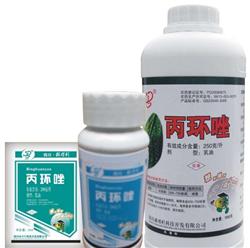
What pesticide is propiconazole? A detailed introduction to its functions and uses
What are the characteristics of the propiconazole fungicide? Which diseases can the propiconazole fungicide control? How long does the propiconazole fungicide remain effective? The following is a brief introduction from Zhongdiwang for netizens' reference. Propiconazole belongs to the triazole fungicides among sterol inhibitors, and its mechanism of action is to affect sterol biosynthesis, destroy the...
-
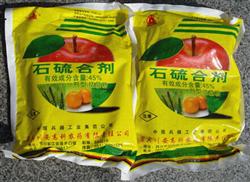
What are the types of fungicides? A detailed introduction to the common types
What are the types of fungicides? What are their main functions? We also ask knowledgeable readers to help explain. Fungicides are agents that, at a certain dose or concentration, kill, inhibit or neutralize the toxic metabolites of pathogenic bacteria, thereby protecting plants and their products from bacterial harm or eliminating the disease and its symptoms. Zhongdi Network has compiled...
-
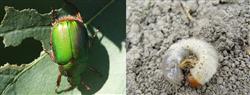
What kind of insect is the white grub? Introduction to white grub control methods
What is a white grub? How do you control white grubs? Is there any netizen who can help advise? The white grub, commonly known as white soil silkworm or white ground silkworm, is the general name for the larvae of scarab beetles. The larvae mainly damage underground roots and fruits, biting through the roots and stems of seedlings and causing the seedlings to wither and die. If not controlled in time, it will cause missing plants and broken rows. Therefore, Zhongdi Network has compiled...
-
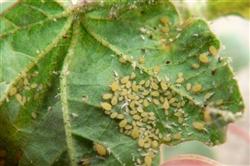
What pests do seven-spot ladybugs eat? An introduction to their common prey
What pests do seven-spot ladybugs eat? How do seven-spot ladybugs reproduce? We ask netizens for help with an introduction. Zhongdiwang has compiled the pests that seven-spot ladybugs can control and their breeding methods, listed below for netizens' reference. Pests that seven-spot ladybugs can control: adult seven-spot ladybugs can prey on cotton aphids on cotton, ...
-
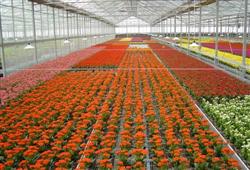
What are the commonly used insecticides for flowers? Introduction to common types of pesticides
What fungicides are commonly used for flowers? Please give an introduction. The fungicides commonly used for flowers include the following for reference: Triadimefon has preventive, eradicative and fumigant effects on rust and powdery mildew. Apple rust, poplar rust, chrysanthemum rust, sedge rust, rose rust, Chinese rose powdery mildew, crabapple pow...
-
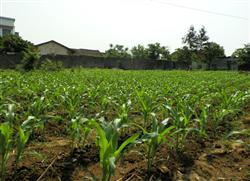
Which crops can paraquat be used on? Detailed introduction to its scope of application
Which crops can paraquat be used on? Please give a detailed introduction. Paraquat is a fast-acting non-selective herbicide with contact action and a certain systemic action. It is rapidly absorbed by the green tissues of plants, causing them to wither and die. It has no effect on non-green tissues. In soil it rapidly binds to soil particles and becomes deactivated, with no effect on plant roots and many...
-
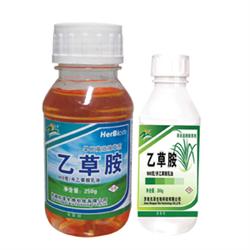
Introduction to the correct application methods of acetochlor
How is acetochlor applied? Please explain. Acetochlor is also known as Harness and acetochlor. It is suitable for soybeans, oil crops, peanuts, corn, cotton, vegetables, etc. It controls annual grass weeds and some broadleaf weeds. It is ineffective against perennial weeds. Acetochlor is a pre-emergence soil treatment, applied before crop emergence around sowing time...
-
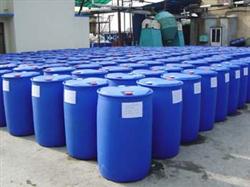
What is glyphosate aqueous solution? A detailed introduction for you
What is glyphosate aqueous solution? Please note that commercially available glyphosate comes in many forms and many formulations, such as glyphosate isopropylamine salt, glyphosate ammonium salt, and glyphosate, among which 10% glyphosate aqueous solution and 41% glyphosate isopropylamine salt account for the vast majority. According to Announcement No. 1158 jointly issued by the Ministry of Agriculture and the Ministry of Industry and Information Technology...
-
Paraquat Herbicide Introduction: A Comprehensive Guide in One Article
A farmer called: When selling vegetables grown nowadays, they are often asked whether there are pesticide residues. What are the consequences of pesticide residues? Answer: Pesticide residues are the portion of pesticides that remain directly or indirectly in grains, vegetables, fruits, livestock products, aquatic products, and... after pesticides are applied in agricultural production.
-
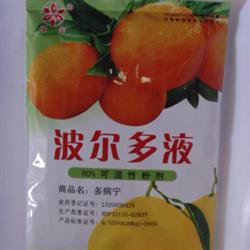
What is a non-systemic fungicide? This article gives you a detailed introduction
What is a non-systemic fungicide? Please explain. The Bordeaux mixture commonly used is a sky-blue viscous suspension prepared from copper sulfate, quicklime and water. It is alkaline and corrosive to metals. It is a non-systemic protective inorganic fungicide, and its active ingredient is basic copper sulfate. After the crop is sprayed, ...
条件筛选