What are the types of fungicides? A detailed introduction to the common types
What are the types of fungicides? What are their main functions? We also ask knowledgeable readers to help explain. Fungicides are agents that, at a certain dose or concentration, kill, inhibit or neutralize the toxic metabolites of pathogenic bacteria, thereby protecting plants and their products from bacterial harm or eliminating the disease and its symptoms. Zhongdi Network has compiled...
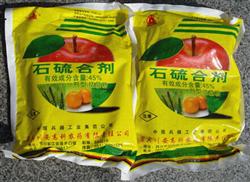 What are the types of fungicides? What are their main functions? We also ask knowledgeable readers to help explain
Fungicides are agents that, at a certain dose or concentration, kill, inhibit or neutralize the toxic metabolites of pathogenic bacteria, thereby protecting plants and their products from bacterial harm or eliminating the disease and its symptoms. Zhongdi Network has compiled the characteristics of fungicide types, listed in detail below for the reference of readers.
Type 1. Protective fungicides:
This type of fungicide can protect treated sites not yet infected by pathogens from infection, and must be sprayed before the crop comes into contact with the disease or before the disease occurs to be effective.
Generally applied before a disease becomes epidemic to the parts of the plant that may be affected, to protect the plant from infection. The main mode of action of protective fungicides is that after application, they form a film of the agent on the plant surface so that pathogens cannot infect it. Common ones include Bordeaux mixture, lime sulfur mixture, mancozeb, zineb and so on.
Type 2. Eradicant fungicides:
This type of fungicide has a direct and strong killing effect on pathogens, but plants cannot tolerate such agents during the growing period, so they can only be used for soil treatment before sowing, during the plant dormancy period or for seed and seedling treatment. Common examples include formalin for disinfecting infected seeds, and triadimefon, which has an eradicant effect on wheat stripe rust and powdery mildew when used properly.
Type 3. Therapeutic fungicides:
This type of fungicide is also called a systemic agent. It is applied after the plant is infected, and after the agent is absorbed and translocated by the plant, it can inhibit the development of pathogens in all parts of the plant and kill them. Common ones include carbendazim, thiophanate, kasugamycin and so on.
Type 4. Disease resistance activators:
After treating a plant with this type of fungicide, a substance that induces disease resistance throughout the plant by recognizing pathogens is a plant disease resistance activator. However, this type of agent cannot directly show fungicidal activity; instead, it provides disease resistance over a longer period a few days after use, so it is not prone to developing resistance. Common agents include oxalic acid, benzothiadiazole and probenazole.
The effects of tebuconazole
The effects of kasugamycin