What pesticide is propiconazole? A detailed introduction to its functions and uses
What are the characteristics of the propiconazole fungicide? Which diseases can the propiconazole fungicide control? How long does the propiconazole fungicide remain effective? The following is a brief introduction from Zhongdiwang for netizens' reference. Propiconazole belongs to the triazole fungicides among sterol inhibitors, and its mechanism of action is to affect sterol biosynthesis, destroy the...
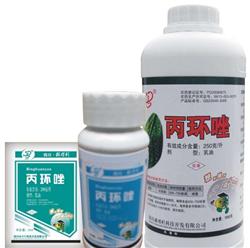 What are the characteristics of the propiconazole fungicide? Which diseases can the propiconazole fungicide control? How long does the propiconazole fungicide remain effective? The following is a brief introduction from Zhongdiwang for netizens' reference.
Propiconazole belongs to the triazole fungicides among sterol inhibitors. Its mechanism of action is to affect sterol biosynthesis, disrupt the cell membrane function of pathogenic fungi, and ultimately cause cell death, thereby achieving the effects of sterilization, disease prevention and disease treatment. The propiconazole fungicide has the characteristics of a broad fungicidal spectrum, high activity, fast fungicidal speed, long duration of efficacy and strong systemic translocation, and together with tebuconazole, flusilazole and others it has become a representative variety of triazole fungicides.
1. Broad fungicidal spectrum: Propiconazole can control a series of plant pathogenic fungi such as ascomycetes, basidiomycetes and deuteromycetes, and can effectively control many diseases caused by higher fungi on a variety of crops, such as banana leaf spot, wheat sharp eyespot, leaf blight, powdery mildew, rust, root rot, glume blight, peanut leaf spot, grape powdery mildew, anthracnose, powdery mildew of cucurbits, powdery mildew of vegetables, pepper brown spot and so on.
2. Systemic translocation effect and stability: Propiconazole can be absorbed by the roots, stems and leaves of plants (absorbed most by green parts), and is translocated upward through the xylem (it cannot be translocated toward the base), and has the characteristics of fast systemic translocation and stability within the plant. When propiconazole is used on bananas, 30% to 70% can be absorbed in 30 minutes (depending on whether the weather is rainy and the amount of rainfall). The systemic absorption process of propiconazole in rice is very stable; 14 days after application, 73.1% of the labeled active portion was absorbed by the rice. In grapes, 63% of the labeled substance was present in the plant within 3 days. The residual effective period of propiconazole on plants is as long as 20-30 days. Among these, the residual effective period on fruit trees is longer than on vegetables.
The above is Zhongdiwang's introduction to the propiconazole fungicide. If you have better additions, please leave a comment below to tell us.