What pests do seven-spot ladybugs eat? An introduction to their common prey
What pests do seven-spot ladybugs eat? How do seven-spot ladybugs reproduce? We ask netizens for help with an introduction. Zhongdiwang has compiled the pests that seven-spot ladybugs can control and their breeding methods, listed below for netizens' reference. Pests that seven-spot ladybugs can control: adult seven-spot ladybugs can prey on cotton aphids on cotton, ...
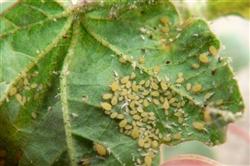 What pests do seven-spot ladybugs eat? How do seven-spot ladybugs reproduce? We ask netizens for help with an introduction
Zhongdiwang has compiled the pests that seven-spot ladybugs can control and their breeding methods, listed below for netizens' reference.
Pests that seven-spot ladybugs can control:
Adult seven-spot ladybugs can prey on cotton aphids on cotton, wheat aphids on wheat, bean aphids on cowpea, cabbage aphids on Chinese cabbage, corn aphids on corn, sorghum aphids on sorghum, aphids, spider mites, whiteflies, and the larvae and eggs of corn borers, cotton bollworms and others.
Areas where seven-spot ladybugs are distributed:
In Beijing, Liaoning, Jilin, Heilongjiang, Hebei, Shandong, Shanxi, Henan, Shaanxi, Jiangsu, Zhejiang, Shanghai, Hubei, Hunan, Jiangxi, Fujian, Guangdong, Sichuan, Yunnan, **, Tibet, Inner Mongolia and other places, seven-spot ladybugs can be found in farmland, forests, gardens, orchards and other sites.
Generally in spring, once the temperature rises above 10°C, overwintering seven-spot ladybugs wake up and begin to move about, and they can be found on wheat and rapeseed plants. In summer, as the temperature rises and food increases, seven-spot ladybugs multiply in large numbers, and they can be found on any plant infested by aphids and scale insects, such as cotton, willow, pagoda tree, elm, beans and other plants.
Artificial rearing methods for seven-spot ladybugs:
To rear seven-spot ladybugs artificially, you can collect natural feed in the wild - aphids - but this method is labor-intensive and sometimes the aphids are not easy to collect. So large numbers of aphids are cultured artificially to meet the seven-spot ladybugs' needs. Broad bean seedlings can be used to culture aphids artificially. When the transplanted broad bean seedlings grow to 3-4 cm tall, place a small number of aphids collected from the wild on the bean seedlings, and culture them at room temperature of 20-30°C and relative humidity of 60%-70% for 10-15 days; the aphids will then multiply in large numbers, and at this point the aphids can be used as feed for seven-spot ladybugs.
Artificial breeding methods for seven-spot ladybugs:
Put the seven-spot ladybugs in a glass bottle, line the bottom with a piece of straw paper, place on the paper a small bottle cap holding a moist cotton ball, to maintain humidity inside the bottle, cover the bottle mouth with gauze, and fasten it tightly with a rubber band. Put 1-2 pairs of seven-spot ladybugs in each bottle, feed them once a day, and they can live normally and reproduce.
A seven-spot ladybug goes through 4 different developmental stages in its life: egg, larva, pupa and adult. To rear adult seven-spot ladybugs artificially, the indoor temperature should be controlled between 20-25°C and the relative humidity at 70%-80%; when the adults lay eggs they require a higher temperature, so they can be reared at 25°C. But rearing larvae is best at an average temperature of around 20°C.
How to use seven-spot ladybugs:
After seven-spot ladybugs have multiplied in large numbers, they can be released into fields to help humans eliminate aphids and scale insects. For example, if a large number of aphids appear in a cotton field and cause damage, the seven-spot ladybugs can be scattered into the cotton field, and they will eat the aphids.
When scattering seven-spot ladybugs, walk along the cotton field and release them as you go, releasing a few every few steps, in order to scatter them evenly.
Note 1: Master the release time well; releasing in the evening is preferable. Because in the evening the temperature is lower and the light is dimmer, the seven-spot ladybugs are less active and less likely to migrate and fly away.
Note 2: Release adults and larvae mixed together. Because the larvae have no ability to migrate and fly, they will not escape, and they also have the ability to eat aphids.
Note 3: Stop feeding one day before release, then carry out the release, which can reduce the seven-spot ladybugs' migratory and flying activity.
Note 4: Within two days after release, do not carry out intertillage or other field management, so as not to frighten the seven-spot ladybugs into migrating and escaping.
Click to get more herbicide application techniques
Click to get more pesticide application techniques