-
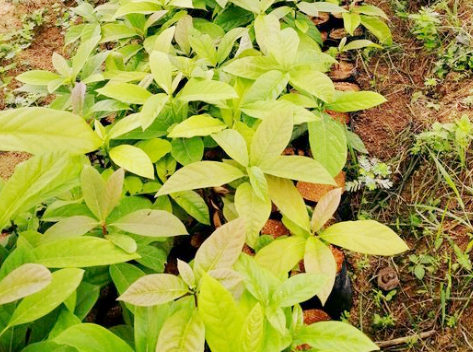
Introduction to the Cultivation Methods of Forest Cream Avocado
Avocado is also called oil pear and so on. Because of its good taste and high nutritional value, and its certain effects of strengthening the stomach and clearing the intestines and lowering cholesterol, it is liked by some people. Its planting prospects are very promising, and many growers also want to plant it. So the editor will introduce the avocado cultivation methods to everyone: Seedling raising
-
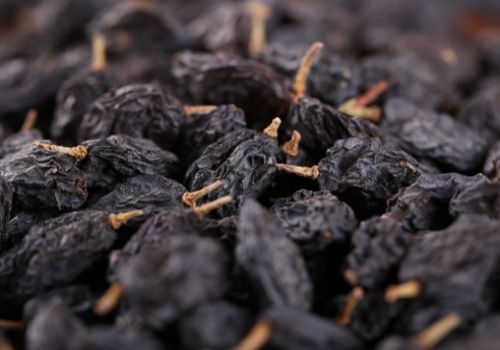
Introduction to black goji berry cultivation methods: a natural tonic treasure grown this way
Black goji berry, also known as Gan goji berry and other names, is a natural tonic treasure discovered in recent years. Because of its extremely high medicinal value, with effects such as nourishing the liver and kidneys and improving eyesight and essence, it has become increasingly popular, and its price is relatively high, so many growers also want to cultivate it
-
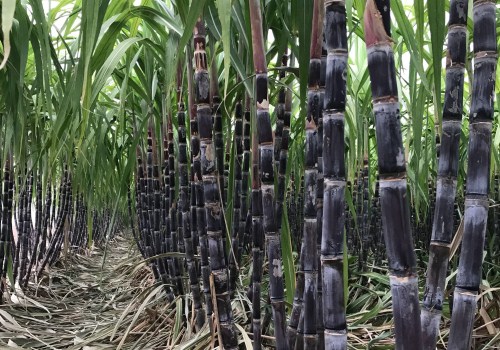
Introduction to sugarcane cultivation techniques: which varieties are good to plant in 2019?
Sugarcane is a plant of the genus Saccharum in the grass family. The stem is cylindrical, with nodes, and the internodes are solid. The color can be purple, red, or yellow-green, among others. It can be eaten fresh and tastes sweet, and many people like to eat it. So, how is sugarcane grown? Here we introduce sugarcane cultivation techniques. Introduction to sugarcane!
-

How to Grow Rosa roxburghii? Introduction to Cultivation Methods of a Medicinal and Edible Plant
Rosa roxburghii, also known as the chestnut rose, is a typical medicinal and edible plant. Its fruit is crisp-fleshed, sweet and sour, and has extremely high medicinal value, with effects that help strengthen the body's resistance and provide nourishment and health benefits. Some growers are also interested in cultivating it, so let me introduce the cultivation methods of Rosa roxburghii: Growing Conditions
-

Introduction to daylily cultivation methods: growing this precious wild vegetable
Daylily, also known as "brain-boosting vegetable" and by other names, is a relatively precious wild vegetable in China. Because of its high nutritional value and its effects such as reducing inflammation, clearing heat, improving eyesight and calming the mind, it is loved by many people. In addition, its high survival rate, promising cultivation prospects and relatively high economic profit have made many growers want to cultivate it too.
-
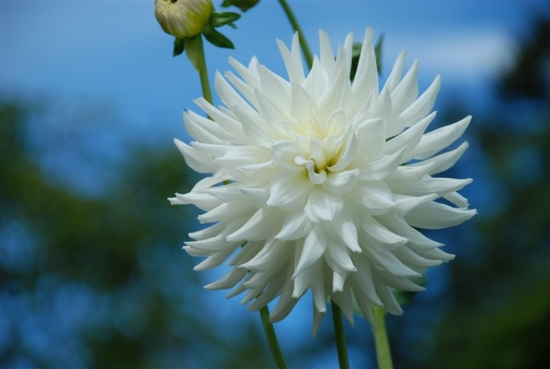
What are the flower propagation methods? Introduction to common propagation methods
Flower propagation methods can be divided into four categories: sexual propagation, asexual propagation, parthenogenetic propagation and tissue culture propagation. Sexual propagation, also called seed propagation, is the formation of seeds through the action of the male and female organs of the flower, that is, the combination of pollen and ovules, and the use of these seeds to propagate offspring. Seedlings produced from seeds have a strong root system
-

How do water lilies reproduce? A detailed introduction to common propagation methods
Water lilies are mainly propagated by division. Hardy varieties are usually divided in early spring before sprouting, while tender varieties, because they require higher water and air temperatures, must wait until mid-May for division propagation. When dividing, first dig out the rhizome and select rhizomes with plump new buds
-

How does lotus reproduce? A detailed introduction to the common propagation methods
How does lotus reproduce: 1. Seed propagation (1) Soaking seeds Collect fully mature lotus seeds in August to September and store them; they can be sown from mid-April to June. Before sowing, break a small opening at the recessed end of the lotus seed to expose the seed coat, as long as the embryo is not damaged; generally they germinate in 3 to 7 days (if sown in July to August, although they can germinate, the temperature is high at this time, and after the seedlings are planted, the young leaves leaning against the pot wall are easily scorched under the hot sun, and the growth period is short, so flowering in the same year is difficult, and new lotus rhizomes may even fail to form).
-

How to Propagate Peperomia? Detailed Introduction to Common Propagation Methods
Peperomia is a shade-loving foliage plant. Besides the green-leaved peperomia, there are also variegated peperomia, red-edged peperomia, tricolor peperomia and other varieties. It is suitable for small and medium-sized potted plants and is an excellent plant for decorating rooms. Propagation is usually done by cuttings and division. Division is best done in April to May when repotting. Stem cuttings
-
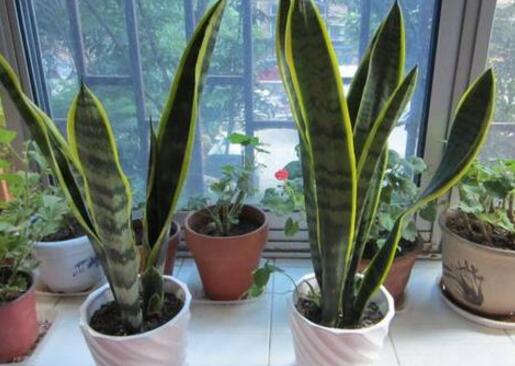
How to propagate snake plants? Introduction to several common methods
For propagating snake plants (Sansevieria) in small quantities, division can be used. Its underground rhizomes are thick and branch strongly, and after the terminal bud on each branch sprouts, it can send up new leaves. When dividing, first take the plant out of the pot, shake off the soil, find the rhizome beneath each cluster of leaves, cut it off with pruning shears, and plant it separately; all will survive.
条件筛选