Introduction to black goji berry cultivation methods: a natural tonic treasure grown this way
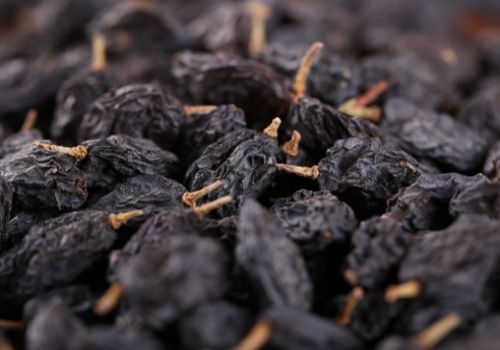
Black goji berry, also known as Gan goji berry and other names, is a natural tonic treasure discovered in recent years. Because of its extremely high medicinal value, with effects such as nourishing the liver and kidneys and improving eyesight and essence, it has become increasingly popular, and its price is relatively high, so many growers also want to cultivate it. So let me introduce the cultivation methods of black goji berry:
I. Site selection and land preparation
The first requirement for the black goji berry growing environment is sufficient sunlight, so the orchard should be established in a place with relatively flat terrain, enough sun, fertile and loose soil, and convenient irrigation. It is best to create a shelterbelt, mainly to facilitate management, fertilization, drainage and irrigation, and cultivation work for black goji berry. Before planting, the orchard should be deeply plowed and turned to mix in base fertilizer, and starting in the autumn of the year before planting is most suitable, because this is conducive to the growth and development of newly planted black goji berry and improves the survival rate. Then make field beds at least 1 m wide to facilitate later management.
II. Propagation methods
The propagation methods of black goji berry include sowing, division, and cuttings, three methods in total. Sowing is generally carried out around the Beginning of Spring in spring, and seedlings will begin to bloom and bear fruit within 3 years. Division propagation is mainly carried out in spring when old plants begin to sprout. Among the three propagation methods, division propagation is relatively simple. Cutting propagation is generally carried out in April and October. Before propagation, select a superior vigorous shoot from last year or a branch with plump flower buds, cut it into cuttings of about 12 cm, then insert the cuttings at a row spacing of 20*15 cm, leave 1/3 exposed, press them firmly, and water them.
III. Field management
Black goji berry should be cultivated and weeded in a timely manner. Cultivation is to turn the soil once to enhance soil permeability and prevent the soil from being too compacted and affecting root respiration, but be careful not to damage the roots when turning the soil. Weeding is to prevent some weeds from competing with black goji berry for nutrients, water, sunlight, and other substances necessary for black goji berry, and it can also enhance field ventilation and air permeability. At the seedling stage, fertilizer should be applied at least three times, and urea can be used as the main fertilizer each time. After flowering and fruiting, apply phosphorus compound fertilizer twice as a top dressing. Pay attention to the moisture conditions in the orchard. Black goji berry is not suitable for growing in humid environments, so pay attention to drainage.
IV. Harvesting and processing
The most suitable harvest time for black goji berry each year is around June in summer. When the black goji berries are black with a hint of red and the fruit stalks are relatively loose and the fruit shows a tendency to fall, harvesting can begin. However, during harvesting, pick gently and place gently. Excessive force will cause the fruit to rupture and lose value. Spread the harvested fruit flat promptly and try not to pile the fruit up. The thickness should not exceed 1 cm. After spreading flat, let it dry in the sun to evaporate moisture and turn it into dried fruit. Be sure not to stir it.
Summary: The above is the relevant introduction to black goji berry cultivation methods. Growers can refer to the above black goji berry cultivation methods when planting. I hope it is helpful to friends in need!
How to grow goji berry? Methods for growing goji berry in pots
Goji berry is rich in carotene and is a very nourishing nutritional treasure. Using goji berry in stewed soup or soaked in water is especially good for the body. So can goji berry be grown at home? Today I will talk about how to grow goji berry in pots at home.
Growing environment
Goji berry likes a sunny environment. For indoor potted goji berry, choose a sunny place for care. Goji berry has low soil requirements, and calcareous sandy loam with good drainage is best. Avoid clayey and waterlogged soil.
How to water
Goji berry should be watered thoroughly when the soil is dry. During the high-temperature dormant period in summer, plant growth stagnates and most leaves fall off, so watering should be controlled. Goji berry is drought-tolerant and afraid of moisture, so never let water accumulate.
Fertilization methods
Usually apply a liquid fertilizer mainly based on phosphorus and potassium fertilizer about once a week. In winter, apply decomposed base fertilizer. During the peak flowering period, apply nitrogen fertilizer 2-3 times as a top dressing. When repotting each year, apply enough base fertilizer, and add phosphorus and potassium fertilizers such as superphosphate as base fertilizer.
Bonsai making
For goji berry bonsai shaping, coarse wiring and fine pruning are mainly used. The trunk can be wired into many forms, and branches are mostly wired into sheet shapes and coiled shapes. Use metal wire for wiring, and loosen it when it becomes embedded. At this time, if the trunk has not set its shape, it can be wired again. Generally, the shape can be set after 1 year of wiring. Wiring is mostly done before buds sprout under the branches or after the sprouted branches are semi-lignified. When formed, pruning is often used to maintain the tree shape. When growth is vigorous, excessive vigorous shoots can be cut off at any time to ensure sufficient nutrients for fruiting. In late summer and early autumn, remove leaves and apply several times more dilute liquid fertilizer containing phosphorus and potassium, so that flower buds and new leaves grow at the same time. Flowering and fruiting accompanied by new leaves are beneficial for ornamental viewing.
Propagation methods
Goji berry propagation is mainly by cuttings and division, and both are simple and easy. Cuttings can be done in spring and autumn. Select vigorous excessive shoots or robust vegetative branches, cut them into 12-15 cm lengths, cut the upper end flat and the base into a horse-ear shape. Generally, the seedling formation rate can reach more than 80%-90%. The division method is mostly done in early spring by peeling off root buds and transplanting them, with appropriate thorough watering, and the seedling formation rate is very high. A sowing method can also be used, and seedlings can bloom and bear fruit in 2-3 years.
The above is the method for growing goji berry in pots at home compiled by the First Agricultural Economics editor. Go try it quickly.
Goji berry benefits and cultivation methods
How to grow goji berry? Goji berry is one of the medicinal materials we commonly use in stewed soup. It has good economic value as well as tonic and medicinal uses. Below I will explain the benefits and cultivation techniques of goji berry.
I. Goji berry benefits
Goji berry is an important economic plant and an excellent product for both food and medicine. In China, there are 7 species distributed: Ningxia goji berry, goji berry, black-fruited goji berry, ** goji berry, truncate-calyx goji berry, cylindrical-tube goji berry, and Yunnan goji berry. Among them, 3 have traditional medicinal value, namely yellow-fruited goji berry (a variety of Ningxia goji berry), northern goji berry (a variety of goji berry), and red-branched goji berry (a variety of ** goji berry), 3 varieties in total.
Tender goji berry leaves can be used as vegetables; the fruit is sweet and edible and can be processed into health drinks and foods. The fruit, leaves, roots, and bark can all be used medicinally. Goji berry fruit has the effects of nourishing the kidneys, regulating the lungs, tonifying the liver, and improving eyesight. It mainly treats liver and kidney yin deficiency, soreness and weakness of the waist and knees, dizziness, blurred vision, consumptive cough, and nocturnal emission. Goji berry leaves have the effects of tonifying deficiency and benefiting essence, clearing heat, relieving thirst, dispelling wind, and improving eyesight. They mainly treat consumptive fever, excessive thirst, red eyes with dull pain, and heat-toxin sores and swelling. Goji berry root bark (Digupi) has the effects of clearing heat, reducing fever, cooling blood, and lowering blood pressure. It mainly treats consumptive tidal fever, night sweats, lung-heat cough and asthma, cooling blood, high blood pressure, and malignant sores.
II. Propagation methods
1. Direct seeding afforestation. Drill sowing or hole sowing, sown in spring from late March to April after the soil thaws. Sowing depth 1-3 cm. Goji berry is easily gnawed by livestock at the seedling stage and pulled up roots and all, so grazing must be prohibited.
2. Seedling raising and transplanting. Spring and autumn are best for raising seedlings.
3. Cuttings and layering. Goji berry has especially strong root sprouting ability. You can take goji berry branches growing on wasteland slopes, soak them for 2-3 days, then cut them into cuttings 0.5-1 cm thick and 30-50 cm long for cutting propagation.
4. Tillering propagation. Cut off the main trunk above the main root crown of 2-year-old goji berry, and in the second year many young branches can sprout. You can also cut off the main root of goji berry and propagate through the many young branches sprouting from both cut ends of the main root. Spring is best for root cutting.
III. Cultivation management
1. Planting density. On poor soil, plant spacing 1.5-3 m; on fertile land, plant spacing 2-3 m.
2. Soil and water-fertilizer management. After planting goji berry, years 2-5 are the early fruiting period. Deep plowing to cut off the main root of goji berry is beneficial for new branch sprouting. Goji berry must be fertilized twice a year. For fertilization timing, apply base fertilizer after leaf fall and before germination, and apply top dressing during flowering and fruit setting, then irrigate after fertilization.
3. Shaping and pruning. Goji berry enters the full fruiting period starting from the 5th year. In the planting year, shorten all branches, leaving 4-5 well-developed buds on each branch. In the 2nd and 3rd years, thin and shorten side branches and extension branches again, so that branches develop thick and strong, with uniform density and good ventilation and light transmission.
Pruning principles:
① Cultivate and maintain 15-20 main branches in the plant cluster, maintain good light conditions within the plant cluster, and cut off overly dense branches.
② For basal branches, cut off 1/3-1/2 of their total length and cultivate them into main branches; for extension branches and new shoots on main branches, cut off the top 3-5 buds according to growth vigor.
③ In order to cultivate long-lived and strong main branches, basal branches must be controlled, so when pruning, wipe off the buds at the base and retain only the buds intended for renewal.
④ Branches with pests, injuries, or that are too weak should be removed as early as possible, while leaving new branches to supplement them.
IV. Harvesting and processing
1. Harvesting and processing of goji berry fruit. Goji berry should be harvested between Grain in Ear and Autumn Equinox. Pick mature fruit and dry it in the shade or in the sun. Be careful not to rub it with your hands, so as not to affect quality. Dry it until the fruit skin is dry and the fruit flesh is soft. In rainy periods, it can be dried over fire.
2. Digging and preparing Digupi. When the Beginning of Spring thaws, dig the roots and take the bark. At this time the quality is good and the bark is easy to peel. After Clear and Bright, the quality of Digupi is relatively poor. After the root bark is peeled off, dry it in the sun or cut it into pieces while fresh and dry it in the sun.