-
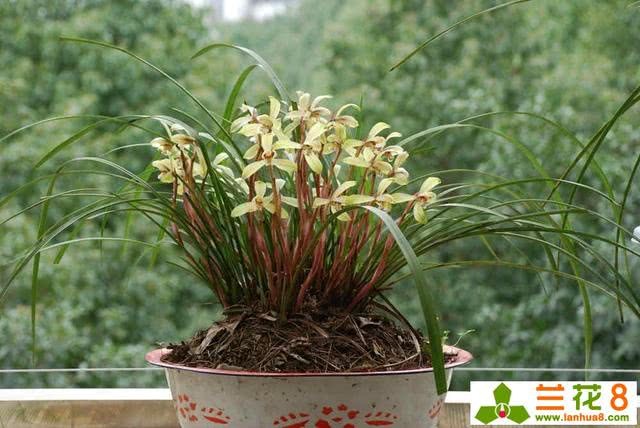
How to appreciate and identify orchids? A complete guide to the essential knowledge
1. What are the specialized terms for appreciating Chinese orchids? Over the long course of appreciation practices, people created many specialized terms to express appraisal conclusions and appreciation insights. From the whole Chinese orchid down to the very tip of an orchid leaf...
-
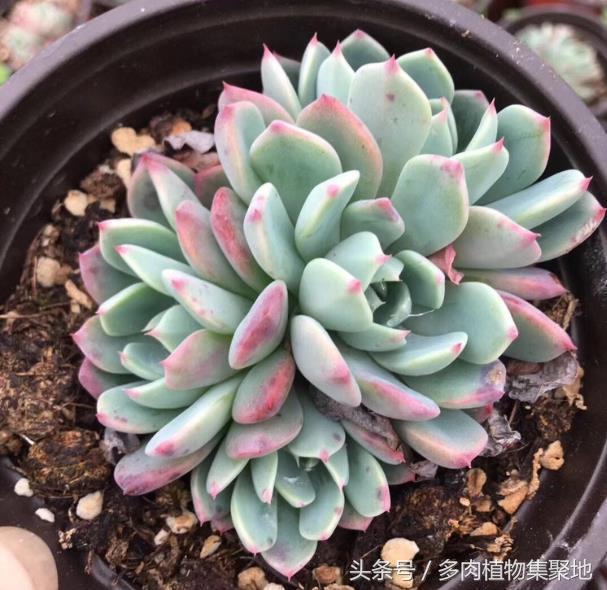
Master the method for identifying water-shortage signals in succulents, and the leaves will plump up several times over
Whether they are succulents from desert or high-mountain regions, their stems and leaves store a large amount of water, so be sure not to water them too much. Moreover, when succulents are severely short of water, they consume the water in their own leaves to supply the nutrients they need, ...
-
Detailed Guide to Identifying and Controlling Anthracnose Symptoms
Symptoms and Control of Anthracnose
-
-
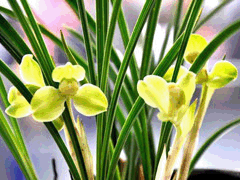
How to identify the stability of unusual flowers? Master these methods
How to identify the stability of unusual flowers
-
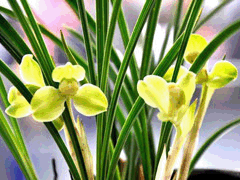
How to identify exactly which variety a pure-hearted Jianlan (Cymbidium ensifolium) is
Which variety of pure-hearted Jianlan is this, may I ask
-

Identifying Edible Oil Safety and Recycling Waste Oil: Lessons from the Swill Oil Case
The swill oil case has drawn attention to edible oil safety. This article covers the hazards of gutter oil and household identification methods, and explains ways to recycle kitchen waste oil into biodiesel and other resource-utilization pathways, helping farmers and processors secure both safety and proper handling.
-
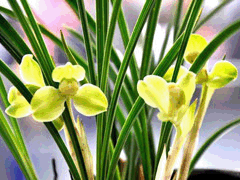
Identify the root cause of crop diseases through leaf symptoms
Read the leaves to diagnose the root of the disease
-
-
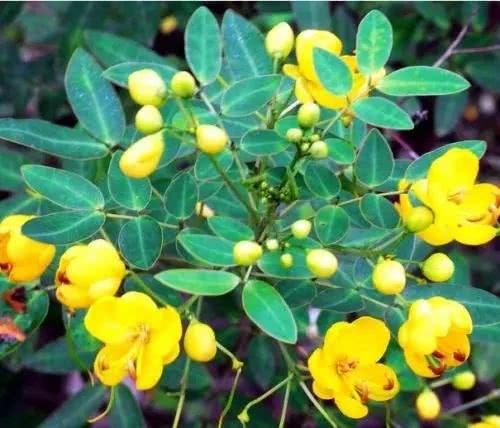
Can't name the common plants you see? Today we'll help you identify them all
Life is always full of all kinds of flowers and plants. Some plants you see all the time, yet you simply cannot name them. Today, let's get to know them! 1. Sicklepod Sicklepod, also known as wild senna, flowers and fruits from August to November. Sicklepod is mainly propagated by seed. The seeds of sicklepod are called cassia seeds, and have the effects of clearing the liver and improving eyesight, promoting urination and relieving constipation. The young leaves and tender pods are edible.
条件筛选