Can't name the common plants you see? Today we'll help you identify them all
Life is never without all kinds of flowers and plants. Some plants you always see, but you simply cannot name them. Today let's get to know them! 1. Sicklepod (Senna obtusifolia), also known as草决明, flowering and fruiting period from August to November. Sicklepod mainly...
Life is never without all kinds of flowers and plants. Some plants you always see, but you simply cannot name them. Today let's get to know them!
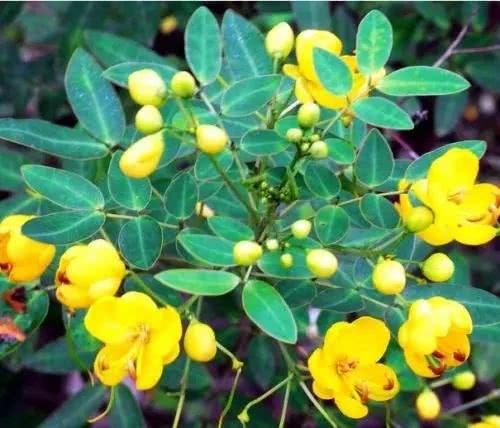
1. Sicklepod
Sicklepod, also known as, flowers and fruits from August to November. Sicklepod is mainly propagated by seeds. The seeds of sicklepod are called cassia seeds, which have the effects of clearing the liver and improving eyesight, and promoting diuresis and bowel movements. The seedlings, leaves and young fruits are edible.
2. Mock strawberry
Mock strawberry (Duchesnea indica), also known as snake bubble grass, wild strawberry, ground berry, etc. The flowering period is from June to August, and the fruiting period is from August to October. It mostly grows wild on hillsides, grasslands, roadsides, ditch edges or among weeds on field ridges. The whole plant is used medicinally, with effects of clearing heat and detoxifying, promoting blood circulation and dispersing blood stasis, and astringing to stop bleeding. It can also treat venomous snake bites.
3. Silk tree flower
The leaves of the silk tree open by day and close by night. People often use the silk tree to represent loyal and unwavering love. The tender leaves are edible, the old leaves can be used to wash clothes, and the bark is used medicinally and has the effect of expelling parasites. In short, every part is a treasure!
4. Hollyhock
If you want to give flowers to your lover or girlfriend to praise her gentle personality and qualities as a good wife and loving mother, then you might consider giving red hollyhocks, which represent a gentle floral message. The anthocyanins extracted from the flowers can be used as a food colouring. The whole plant is used medicinally, with the effects of clearing heat and stopping bleeding, reducing swelling and detoxifying, and treating conditions such as vomiting blood and excessive uterine bleeding.
5. Forsythia
Forsythia, commonly known as a string of gold. When it blooms, the fragrance is light and vivid, and the branches are full of golden yellow, gorgeous and lovely. It is an excellent flowering shrub for early spring, and the plant height can reach 3 m. The corolla is yellow, the flowering period is from March to April, and the fruiting period is from July to September. The fruit can be used medicinally.
6. Chloris
Chloris, was it not the grass you often used as a broom when playing house as a child? A very fun grass. It is not foxtail grass; each stem of Chloris has 5 to 10 spike-like inflorescences, just like a nine-tailed cat demon.
7. Horseweed
You are not unfamiliar with it, you just cannot say its name. Horseweed (Conyza canadensis) is a common weed. It looks very much like dandelion, but it is not. It has the effects of clearing heat and draining dampness, and dispersing blood stasis and reducing swelling. It inhibits the growth of neighbouring plants by secreting allelopathic substances.
8. Black nightshade
This plant called black nightshade is also known as bitter nightshade. It is distributed throughout all regions of our country. Both the berries and leaves can be eaten. After the berries turn purple, they can be eaten directly; they are sweet and sour, but the leaves contain a large amount of alkaloids and must be cooked thoroughly.
For more professional agricultural science and technology information, please scan the QR code to follow WeChat: NongXunNET

Please indicate the source when reprinting.