-
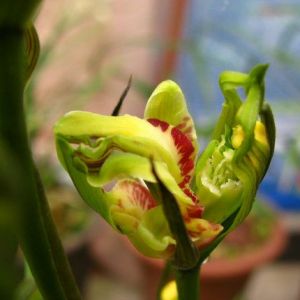
A detailed explanation of methods for identifying Cymbidium faberi varieties, teaching you to distinguish varieties with ease
One of the ten great odd flowers of Cymbidium sinense: an odd-form flower with "multiple noses" and "multiple tongues." Although quite a few odd-form flowers have been found in this province, no similar variety can be found; its unique distinction is that it maintains a "standard flower form" while still having variation, combining the classical and the novel, and it is very popular among lovers of odd-form flowers. This type has large flowers, plump and moist petals, multiple noses, multiple...
-

Introduction to Identifying Symptoms of Orchid Stem Rot and Its Prevention and Treatment Methods
For the prevention and treatment of orchid stem rot, prevention comes first, treatment second; prevention is key, and treatment can only be called rescue. In summer and autumn, with frequent rain and high humidity, orchids are especially prone to stem rot infection, making this an important stage for preventing the disease. Ventilation should be increased, and the orchid-growing area should be regularly sterilized. Starting from May, fungicides (carbendazim, chlorothalonil, junbingqing, Score, etc.) should be sprayed once a week for sterilization, including foliar spraying and comprehensive spraying of the orchid-growing area; the foliar spray should be slightly dilute, and the site spray slightly concentrated. Through years of practice, the author has found that this method can effectively prevent the occurrence of stem rot. [Treatment Methods] First, pull out the entire pot of orchids, wash them clean, and cut off both the diseased plants and the already infected orchid plants...
-
How to identify the petal types of Cymbidium goeringii (spring orchid)? Let's discuss it together with fellow orchid growers.
Knowledge should be concise. Here is a brief summary of how to identify the petal types of Cymbidium goeringii (spring orchid): Three characteristics of the lotus petal type: the three outer petals are broad and wide, thick and substantial in texture, shaped like lotus petals. ...
-
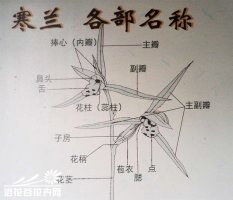
Illustrated Guide to Identifying Kanran Orchid Leaf Variegation, Leaf Types, and Flower Types
Kanran orchid, Kanran orchid, of the genus Cymbidium in the family Orchidaceae. Scientific name: Cymbidium Kanran Mak. The plant is slender and well-proportioned, the leaves elegant and graceful, the flower colors brilliant and varied, and the fragrance pure and long-lasting....
-
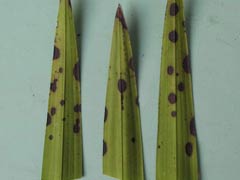
Orchid Disease Pictures: A Complete Guide to Quickly Identify Common Disease Symptoms
Orchids are one of the favorite plants for flower enthusiasts to grow, and also one of the most disease-prone. Sometimes enthusiasts cannot judge what disease their orchid has. Below are ten orchid disease pictures to help enthusiasts confirm the problem, along with control methods (at the end of the pictures)....
-
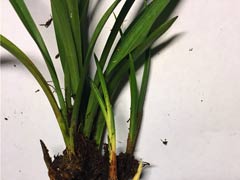
How to Identify Hormone-Treated Orchids? Identification Methods Illustrated
Among orchids there are what growers often call hormone-treated orchids (orchids that have been given a certain hormone). Some growers have put together illustrated guides on how to identify hormone-treated orchids, which is useful reference for beginner growers. This article first looks at how hormone-treated orchids are grown, then at how to identify them....
-
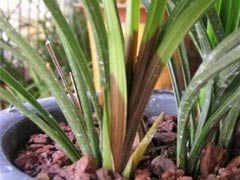
Orchid soft rot symptom pictures to help you accurately identify the disease
Many orchid growers want to see pictures of orchid soft rot, because orchid soft rot and stem rot are not easy to tell apart. Generally speaking, orchid soft rot cannot kill the entire orchid plant, because it is unable to infect old pseudobulbs, while orchid stem rot can quickly kill the whole orchid plant, with very little chance of saving it....
-

-
-
条件筛选