-
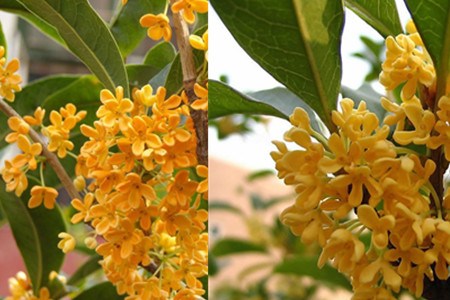
How do you identify an orange osmanthus tree? Focus on the flower color and the plant's shape
Every year, when August is about to end, people can always smell a very strong, sweet fragrance, because the osmanthus has bloomed. This plant is fairly common in our country, and it can be seen in almost every city. This plan...
-
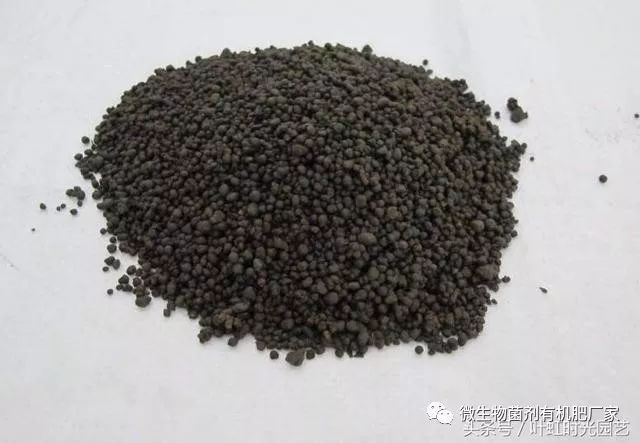
Can't tell organic fertilizer and microbial bacterial fertilizer apart? Here's a trick to identify them easily
Plants | Floral art | Gardening | Flower fertilizers | Microbial inoculants. Plant organic fertilizer and microbial bacterial fertilizer are both common flower fertilizers on the market, so what exactly is the difference between them? Let's give you a brief introduction below! 1...
-

-

Council of Agriculture submits Beinong market closure review report, acknowledges failure to identify risks early, proposes 6 future response measures
Council of Agriculture submits Beinong market closure review report, acknowledges failure to identify risks early, proposes 6 future response measures
-
-
How can you tell real orchids from fake ones? These few methods help you identify them easily
In recent years, some unscrupulous flower vendors have stopped at nothing, making and selling fakes to pocket ill-gotten gains, with ever-changing tricks that leave people unable to guard against them. The author now summarizes here personal experiences and the lessons learned by surrounding orchid friends who fell victim in transactions, hoping orchid friends can take warning. Tiger-stripe seedlings 'tiger-stripe variegation' is what many orchid friends pursue...
-
How to identify orchids? Learn to recognize common orchid varieties
In some larger flower markets, you can often see various beautiful orchids for sale. How do you identify these orchid species? Here are several commonly cultivated orchids introduced below, for flower enthusiasts to refer to when making purchases. Cymbidium goeringii: roots fleshy, white; leaves narrowly linear, about 20 cm to 25 cm long, with fine sharp serrations along the edges...
-
How to Identify Orchid Roots? A Few Practical Identification Methods
The roots of orchids in the genus Cymbidium are relatively thick and fleshy. Generally, there is no distinction between a main root and lateral roots. The internal structure of orchid roots is a typical monocotyledonous type. Its cortical cells are relatively well developed, and it has symbiotic fungi called root fungi. Those growing underground are called terrestrial roots, and those growing in the air are called aerial roots. Whether terrestrial roots or ae...
-
To identify orchid varieties, master the three-look method
Variety identification is an appraisal of an orchid's overall qualities and the branch of knowledge that best demonstrates a grower's skill. For this reason, orchid masters through the ages have been especially cautious about it, never jumping to conclusions, and have always upheld the "three looks" principle. First, look at the leaf shape: "enjoy the flowers for a time, admire the leaves all year round." In the flowerless season, people identify famous orchid varieties...
-
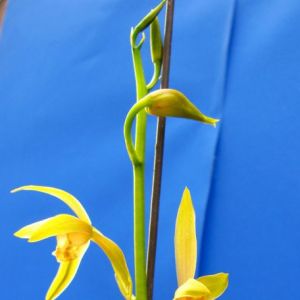
What are the methods for identifying orchids? Teaching you how to identify orchids
Cymbidium sinense 'Jinbi Huihuang' is a yellow-flowered variety of Cymbidium sinense, relatively few in number, with flower spikes already tall, blooming as beautifully as its name suggests, worth collecting.
条件筛选