Master the method for identifying water-shortage signals in succulents, and the leaves will plump up several times over
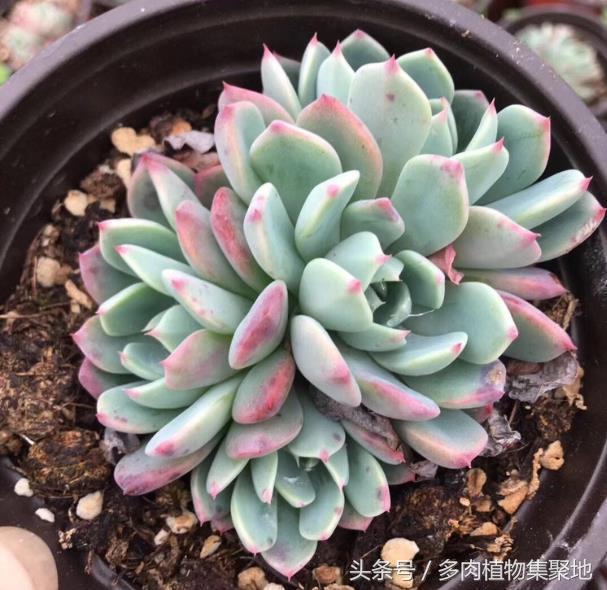
Whether they are succulents from desert or high-mountain regions, their stems and leaves store a large amount of water, so be sure not to water them too much. Moreover, when succulents are severely short of water, they consume the water in their own leaves to supply the nutrients they need; at this point the lower leaves will gradually dry up and drop off. In addition, when Aizoaceae and some Crassulaceae plants are short of water, their leaves will wrinkle, and some other succulents will have leaves that go soft when short of water. These are all watering signals they give you.
Although succulents are averse to overly frequent watering, that does not mean they should be kept thirsty all the time. When wrinkles appear, on the premise of ensuring good ventilation, try giving them a watering. The most suitable time to water in summer is after dusk, and try to avoid getting water on the plants. Note that if the problem persists after watering, you should consider whether there is a problem with the roots. Please hold out until the growing season to trim the roots and repot.
Sometimes wrinkled or softened leaves do not necessarily mean a lack of water, so this needs to be judged based on your usual watering schedule and the recent weather conditions. Generally speaking, if it is a case of water shortage, watering that evening will make the leaves plump up again the next day. If the condition does not change for several days after watering, you need to pay attention. This situation generally means that the plant's roots have not grown out, or the original roots have already rotted. At this point you can pull the succulent out of the soil, clean the roots again, and replace with somewhat drier soil before replanting.
Methods for judging whether a succulent needs watering. Surface-soil dryness test: generally speaking, when the surface soil turns pale, you can water, which is the principle of "don't water if not dry, water thoroughly if completely dry." So-called completely dry means the surface soil turns pale, but if you push aside the surface soil, you can still see moisture. For succulents in the growing season, this judging method is enough. For vigorous, tough ones, you can water right away; for those relatively afraid of water, wait two days before watering.
Lifting-the-pot method: that is, friends with a good feel for it can lift the pot, and if it feels light, you can water. For succulents grown in plastic pots, with soil based mainly on light materials such as peat, the difference in weight after watering versus when dry is still fairly obvious. If the ring of leaves at the bottom is soft and shriveled, and the rings of leaves above are also soft, it means they are already very short of water. If after 12 hours of watering the leaves still have not perked up, either you just planted them not long ago and they have not yet adjusted to the pot, in which case you need to put the plant in a ventilated place and dry out the soil as quickly as possible.
This is a gathering place for succulent lovers, sharing succulent care tips, welcome to follow and exchange.