What are the nutritional properties of Chinese yam? A comprehensive guide in one article
Chinese yam, also known as huai shan, huai yam, huai Chinese yam, shuyu, Buddha's palm potato and so on, belongs to the Dioscoreaceae family and is a perennial vegetable. Chinese yam contains a large amount of protein, various vitamins, beneficial trace elements and carbohydrates. In addition, it also contains relatively many medicinal and health-promoting components, such as mucopolysaccharides, allantoin, dioscin, choline, salt...
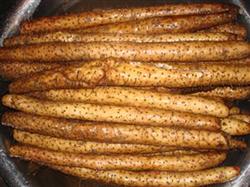
Chinese yam, also known as huai shan, huai yam, huai Chinese yam, shuyu, Buddha's palm potato and so on, belongs to the Dioscoreaceae family and is a perennial vegetable.
Chinese yam contains a large amount of protein, various vitamins, beneficial trace elements and carbohydrates. In addition, it also contains relatively many medicinal and health-promoting components, such as mucopolysaccharides, allantoin, dioscin, choline, dopamine hydrochloride and so on. It is a food with both medicinal and edible uses and very high nutritional value, with effects such as strengthening the spleen, tonifying the lungs, consolidating the kidneys and boosting essence. Results of research in recent years show that Chinese yam mucopolysaccharides have certain pharmacological activity; they can stimulate or regulate the immune system, serving as a health food that enhances the human body's immunity.
The harvest season of Chinese yam tubers is relatively concentrated, and Chinese yam itself has poor storage tolerance, lasting no more than 120 days at most, with some decomposition of nutritional components in the later storage period. In order to extend the storage period and achieve balanced supply, this is regulated through deep processing methods. Existing processing methods for Chinese yam include drying, extracting the medicinal components from the mucilage, making canned goods, and making beverages, soy sauce and so on.