-
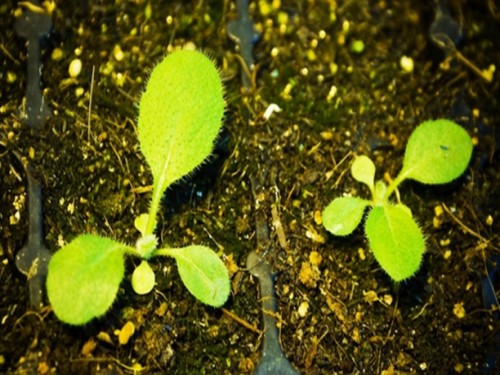
Complete Guide to Sowing Black-eyed Susan Seeds
Black-eyed Susan is a perennial herb of the genus Rudbeckia in the Asteraceae family. The plant height is 60-100 cm, and the flowering period is from June to October. The ray florets are yellow, sometimes with brownish-yellow bands, and the disc florets are dark brown. The stems are relatively stout, covered with soft hairs, slightly branched, and winged. The alternate leaves are rough, oblong to narrowly lanceolate.
-
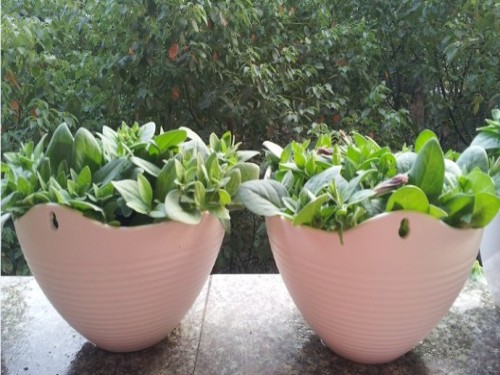
When is the best time to sow petunias? A detailed guide to the best sowing time
Petunias are easy to grow, have a long flowering period, and come in brilliant, colorful blooms. They are often used to beautify potted displays, hanging baskets, flower stands, and flower beds. When planted on a large scale, they create a ground-cover effect, producing a magnificent and pleasing landscape. Petunias prefer a warm environment with plenty of sunlight. They are not tolerant of frost and are afraid of waterlogging. Potted petunias do best in loose, fertile, well-drained sandy loam.
-
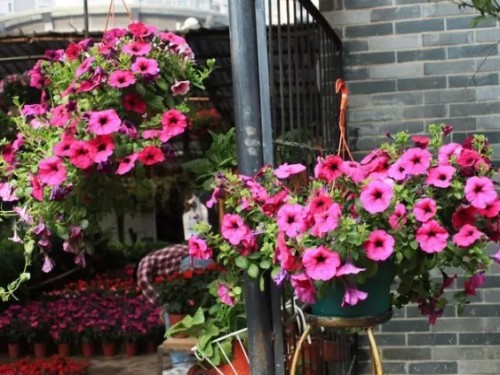
Illustrated Guide to Sowing Petunia Seeds, with Detailed Planting Steps
The best way to enjoy the pleasures of gardening life is to start by sowing a single seed, watching it break through the soil, watching it grow strong, caring for it attentively, pruning it, fertilizing it, watering it, and recording its growth day by day. This feeling is just like the process of raising a child, and in the end your efforts will be richly rewarded
-
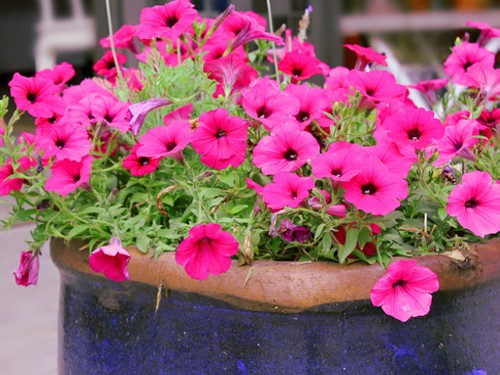
Detailed guide to petunia propagation methods, step by step teaching you how to propagate petunias
Morning glory belongs to the Convolvulaceae family, native to tropical Asia and southern China. It has another name, trumpet flower, and is an annual twining herbaceous flowering plant. Morning glory is a toxic plant; the stems, leaves and flowers all contain toxins, with the seeds being the most toxic
-
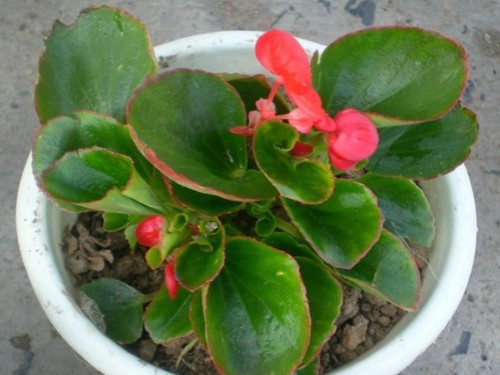
Detailed Guide to Propagating Wax Begonia from Cuttings, Easily Grow New Plants
Wax begonia is the most common and most widely cultivated species among begonias. With graceful form, tender and glossy leaves, clustered flowers that bloom in all four seasons, and a slight fragrance, it is one of the main potted flowers for indoor and outdoor decoration. People use it in flower bed arrangements with excellent results. With the emergence of some relatively heat-tolerant varieties
-
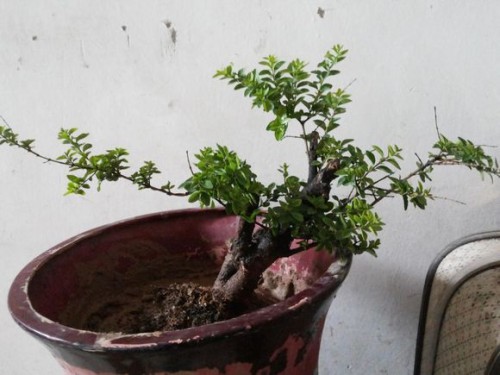
Detailed Guide to Shaping a Chinese Privet (Ligustrum quihoui) Bonsai
Chinese privet (Ligustrum quihoui) likes light, tolerates slight shade, is relatively cold-hardy, and resists many toxic gases, making it an excellent pollution-tolerant tree species. Its branches are soft and spreading, it sprouts vigorously, its leaves regenerate readily and it tolerates pruning, and it has the characteristic of taking shape quickly, making it an excellent material for modern horticultural plant shaping.
-
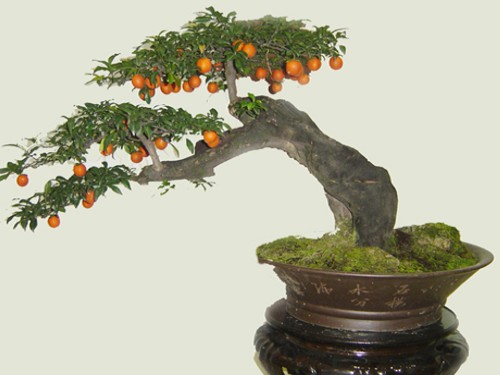
Detailed Guide to Diospyros cathayensis Seed Sowing: Master the Key Points for Easy Seedling Propagation
Diospyros cathayensis is distributed and cultivated in East China, South China and Central China. Market sales and exhibitions are dominated by Diospyros cathayensis from Sichuan and Hubei. Sichuan Diospyros cathayensis has small leaves and abundant fruit; as long as it reaches the cultivation age, small stumps (small and miniature bonsai) can bear fruit even in pots
-
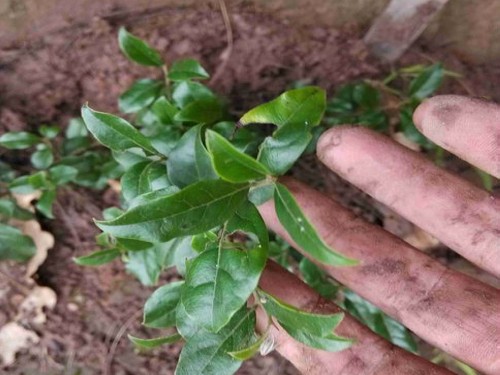
How to Plant Diospyros cathayensis Seeds? A Detailed Guide to the Planting Method
Diospyros cathayensis has tough wood, a vigorous tree growth habit, a thick and sturdy root base, and an unusual trunk, rugged and majestic, often developing twisted sinews and turned bones with bulging muscles, forming a strange and distinctive scene of grooves and channels, holes and hollows, pits and depressions, and bumps and tumors. Diospyros cathayensis combines flowers, fruit, form, greenery, and fragrance in one
-
How to Fertilize Small Bonsai? A Complete Guide to Methods and Techniques
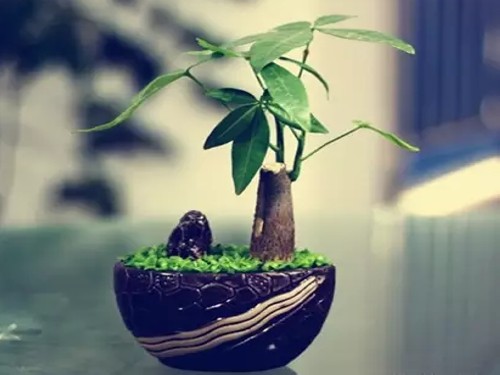
Potted plants are grown in containers where space and soil are limited, and natural nutrients are limited as well. For the normal growth of potted plants, supplementing nutrients is absolutely necessary, so fertilizing is also a very important part of daily bonsai care. The commonly mentioned three essential nutrients in fertilizer refer to three components: nitrogen, phosphorus, and potassium.
-
A illustrated guide to the grafting technique for golden bullet persimmon (Diospyros cathayensis): detailed steps you can master at a glance
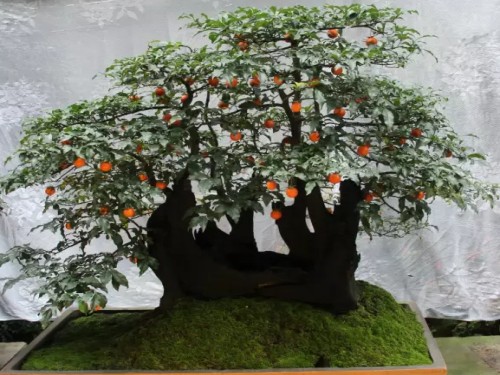
The golden bullet persimmon is called "golden bullet" because its fruit turns golden yellow, is oval-shaped, and stays on the tree for a long time, hence the name golden bullet persimmon. Although the golden bullet persimmon bears fruit and also has the scientific name Chinese persimmon (Diospyros cathayensis), its fruit is not edible; the fruit is somewhat toxic and harmful to the body, so
条件筛选